


Hardest Week With a Puppy: Why Days 2–7 Hit Hard
What is the hardest week with a puppy?
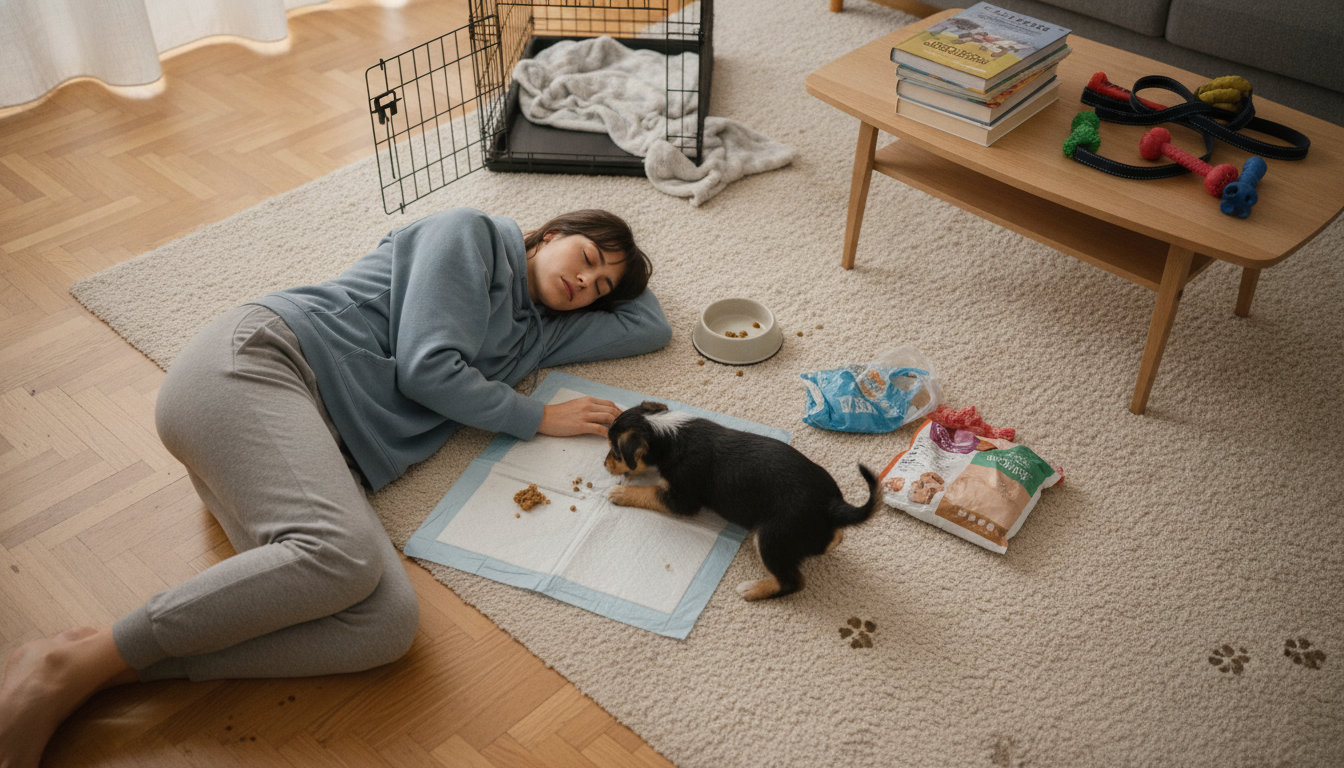
For many new puppy parents, the hardest stretch is usually the first week at home—especially days 2 through 7. That’s when the excitement fades, the sleep loss adds up, and a puppy’s normal adjustment behaviors (crying, accidents, nipping, and testing boundaries) show up all at once. Some people also find week 8–12 challenging because teething ramps up and the puppy gets bolder, but the “welcome home” week is often the most intense because everything is brand new for both of you.
Why that first week feels so tough
Puppies are suddenly separated from their mom and littermates, placed in a new environment, and expected to learn house rules immediately. It’s normal to see:
- Nighttime whining: Many puppies protest being alone, which can mean frequent wake-ups.
- Potty accidents: Even with diligent trips outside, a young puppy’s bladder control is limited.
- Mouthy behavior: Nipping and chewing are common, and they often intensify when the puppy is overtired.
- Overstimulation: New sounds, smells, people, and routines can lead to zoomies, barking, or crankiness.
What helps most during the hardest week
A predictable routine is the fastest way to reduce stress. Keep wake-ups, meals, potty breaks, naps, and play sessions consistent. Aim for frequent potty trips (especially after sleep, play, and meals), reward the exact moment your puppy goes in the right spot, and supervise closely indoors to prevent “practice” accidents.
For biting and chewing, redirect to appropriate toys and build in nap breaks—many puppies bite more when they’re tired. At night, keep the sleeping area close enough that your puppy feels secure, and use calm, boring potty trips so nighttime doesn’t turn into playtime.
When it usually gets easier
Most households notice improvements within 2–3 weeks as the puppy learns the routine and settles in. House training becomes more reliable with consistency, and sleep often improves once your puppy feels safe and can handle a longer stretch between potty breaks. For a deeper breakdown of what to expect and how to cope, visit the main article.
FAQ
How long does it take a puppy to adjust to a new home?
Many puppies start to settle within 1–2 weeks, but full adjustment often takes about a month. Consistent routines, gentle training, and adequate rest can speed up the process.
















Leave a comment