


Puppy Cries in the Crate: When to Wait vs. Help
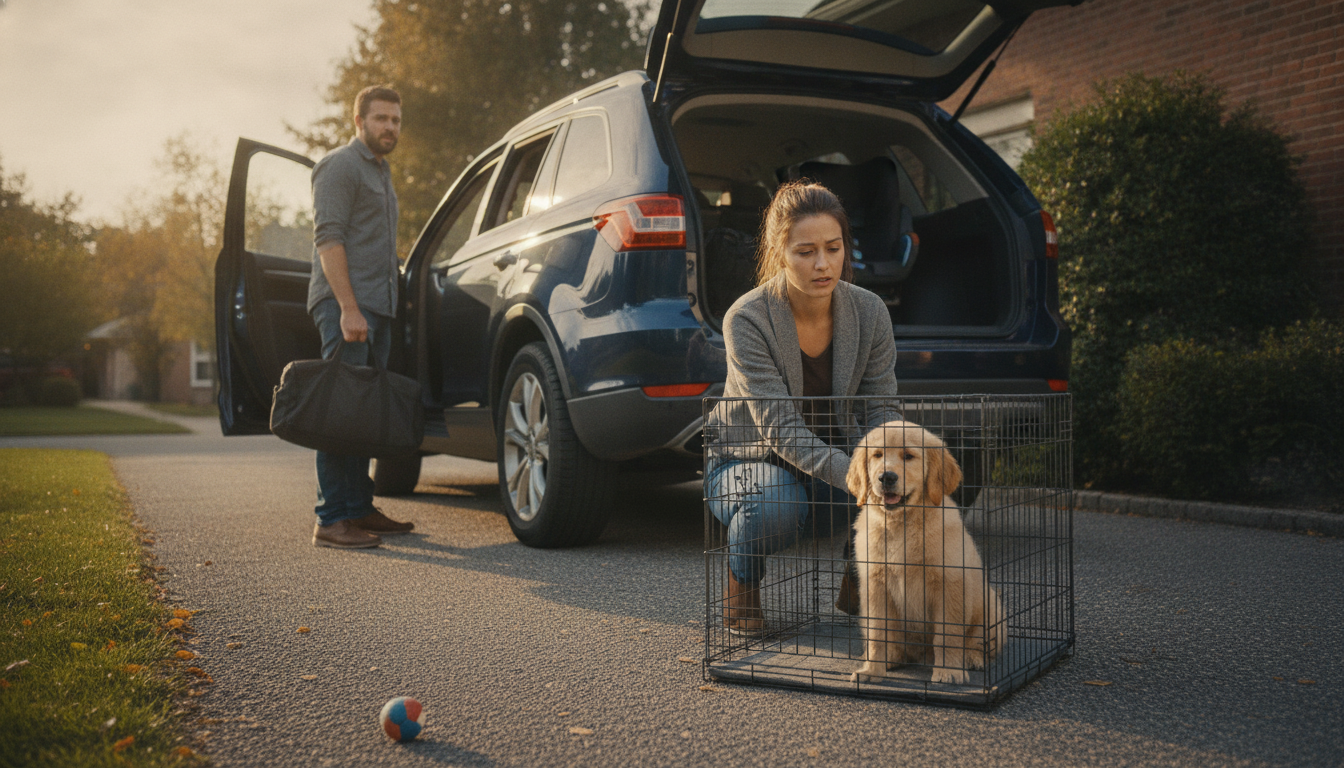
Do I just let my puppy cry while I am crate training her?
No—don’t ignore every cry, but don’t rush in for every whimper either. The goal is to teach your puppy that the crate is safe and predictable, not that crying is the fastest way to get released. A little initial protest can be normal, especially in the first few nights, but persistent, escalating distress needs a different approach.
What to do when your puppy cries in the crate
First, rule out real needs
If your puppy has been in the crate for a while, consider the basics: potty break (especially for young puppies), thirst, or discomfort from being too hot/cold. Take her out calmly, keep it brief and boring, and return her to the crate right away—no playtime, no big greeting.
Use “pause before you respond”
If you hear light whining, wait for a short pause (even 2–5 seconds of quiet) before offering reassurance. This teaches that calm behavior gets attention, not crying. If she ramps up into panic—scratching frantically, drooling, high-pitched screaming—step in and reset the training plan.
Make the crate easier to accept
Feed meals in the crate, toss treats in for her to discover, and practice short daytime sessions when she’s already tired. Start with seconds, then minutes, then longer. A covered crate can help some puppies settle, and placing the crate near where you sleep often reduces anxiety early on.
Avoid accidental “crying rewards”
Don’t let her out mid-tantrum. Wait for a moment of quiet, then open the door. If you need to reassure her, use a calm voice and minimal interaction without immediately releasing her.
For a deeper step-by-step plan and common troubleshooting scenarios, see the full guide here: Do I just let my puppy cry while I am crate training her?
FAQ
How long is too long for a puppy to cry in the crate?
Brief fussing that fades within a few minutes is common at first. If crying consistently lasts 15–20 minutes or escalates into panic, adjust the setup and training pace and consider whether your puppy needs more gradual crate conditioning.













Leave a comment