


Daylight vs Bi-Color Lights: Key Differences Explained
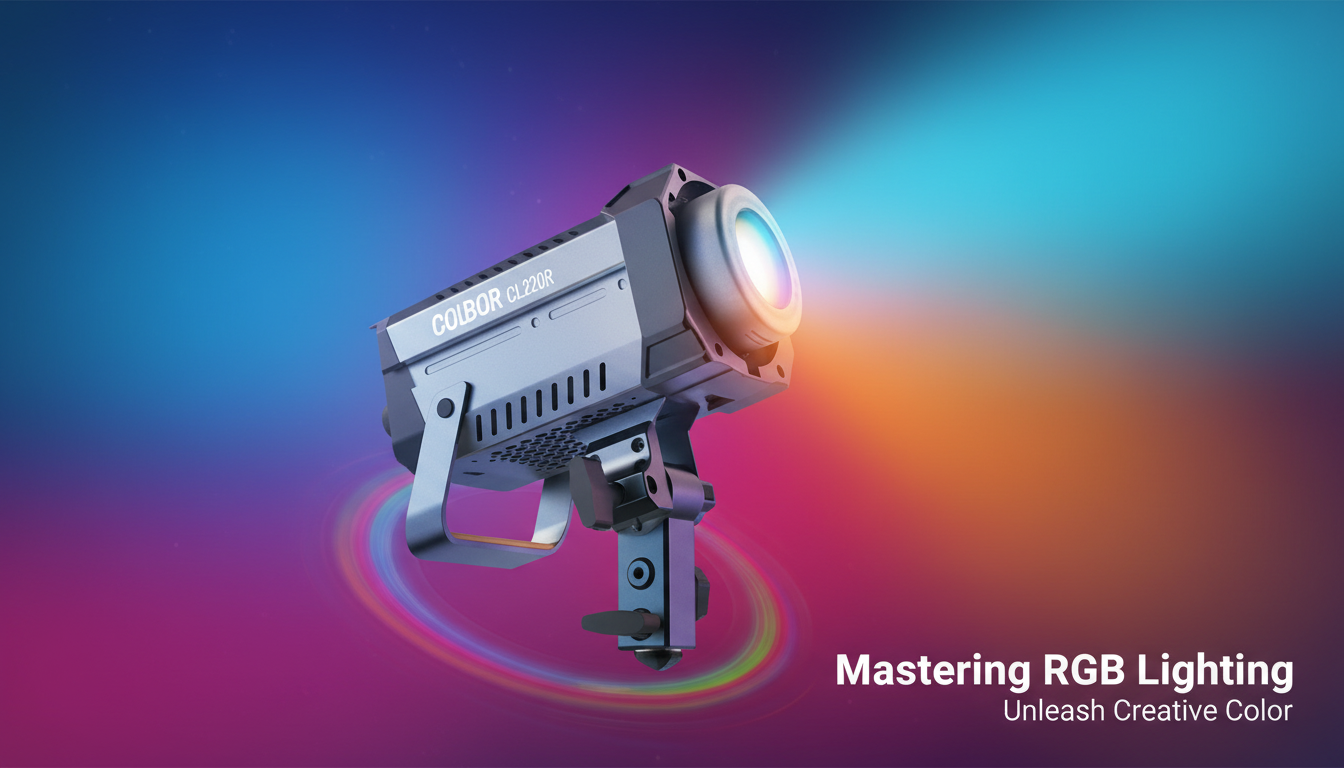
What is the difference between daylight and bi color?
Answer
“Daylight” and “bi-color” describe how a light’s color temperature is set. A daylight light is fixed at a single, daylight-balanced color temperature (commonly around 5600K), while a bi-color light can be adjusted across a range (often 3200K to 5600K) to match different environments.
Daylight lights: simple and consistent
A daylight-only fixture is designed to mimic midday sunlight. Because it’s built to operate at one color temperature, it’s often straightforward to use: set exposure, dial in brightness, and keep your white balance consistent. Daylight lights are popular for product photos, studio setups with controlled conditions, and situations where you want a crisp, neutral look without spending time tuning color.
Another advantage is efficiency: many daylight fixtures deliver strong output for the price because they’re not splitting resources between warm and cool LED arrays.
Bi-color lights: flexible for mixed lighting
A bi-color light lets you shift from warmer tungsten-like tones (around 3200K) to cooler daylight tones (around 5600K), and often anywhere in between. This flexibility is useful when you’re shooting in a room with warm practical lamps, working near a window that changes throughout the day, or trying to match multiple light sources so skin tones and product colors look natural.
The tradeoff is that some bi-color designs can lose a bit of maximum brightness at the extremes, since only part of the LED array may be emphasized to hit a specific color temperature.
Which one should you choose?
If your space is consistent and you want maximum simplicity (and often maximum output), daylight can be a great fit. If you frequently move locations, deal with mixed lighting, or need to fine-tune the mood, bi-color is usually the more adaptable option. For a deeper comparison and buying guidance, see this detailed breakdown of daylight vs bi-color.
FAQ
Does bi-color lighting reduce brightness compared to daylight-only?
Often, yes—some bi-color fixtures have slightly lower peak output than a comparable daylight-only model. Many also dim a bit at the warmest or coolest settings depending on how the LEDs are blended.








Leave a comment