


Polaris vs Dolphin: Best Robotic Pool Cleaner for You
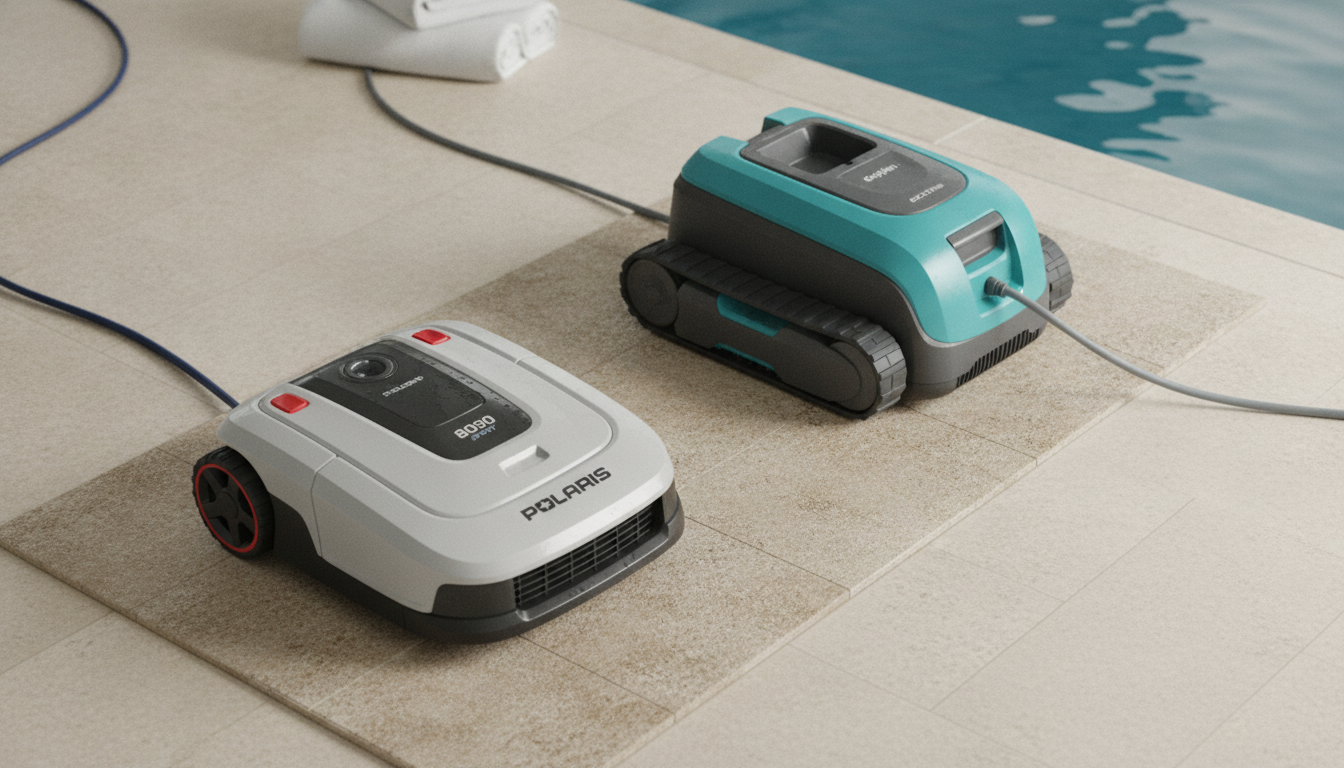
Which Is Better, Polaris or Dolphin Robotic Pool Cleaner?
Polaris and Dolphin both make excellent robotic pool cleaners, but the “better” choice depends on how you want your pool cleaned and how much hands-on effort you’re willing to trade for convenience. In general, Dolphin is often favored for easy day-to-day ownership and strong wall/waterline scrubbing, while Polaris is a standout if you want a rugged build and models that excel in larger debris pickup (especially in pressure-side lineups). For a model-by-model breakdown and current picks, see the full guide here: https://agathin.com/which-is-better-polaris-or-dolphin-robotic-pool-cleaner/.
Answer
If the goal is the most “set-it-and-forget-it” robotic experience, Dolphin frequently comes out ahead. Many Dolphin units use top-loading baskets or cartridges that are quick to remove, rinse, and reinstall. They’re also widely praised for consistent climbing and scrubbing performance, especially along walls and the waterline on pools that see fine debris like dust, sand, or pollen.
Polaris is a strong contender when durability and debris handling are top priorities. Depending on the specific model, Polaris can be a great match for pools that routinely collect larger leaves or need a cleaner that feels more heavy-duty. Polaris also has a long reputation in pool cleaning across different cleaner types, which can matter if you already have brand familiarity or local service support.
How to Choose Between Them
Pick Dolphin if…
You want fast, simple filter cleaning, dependable coverage, and strong scrubbing for everyday mess. Dolphin models are often a great fit for owners who prefer straightforward maintenance and consistent performance without extra equipment.
Pick Polaris if…
Your pool gets lots of larger debris, you prioritize a sturdier feel, or you’re leaning toward a brand with broad legacy support. If your pool environment is harsh (windy yard, heavy leaf drop), Polaris models geared for debris can be especially appealing.
Bottom Line
Dolphin is commonly the better all-around robotic pick for convenience and wall/waterline cleaning, while Polaris can be the better choice for tougher debris situations and a more rugged setup. Compare specific models and features before buying to match your pool size, surface, and debris type.
FAQ
How long do robotic pool cleaners usually last?
With regular filter cleaning and proper storage out of direct sun, many robotic pool cleaners last around 3–5+ years. Lifespan depends heavily on use frequency, water chemistry, and whether wear items like brushes and tracks are replaced on schedule.













Leave a comment