


Writing Desk vs Office Desk: Key Differences Explained
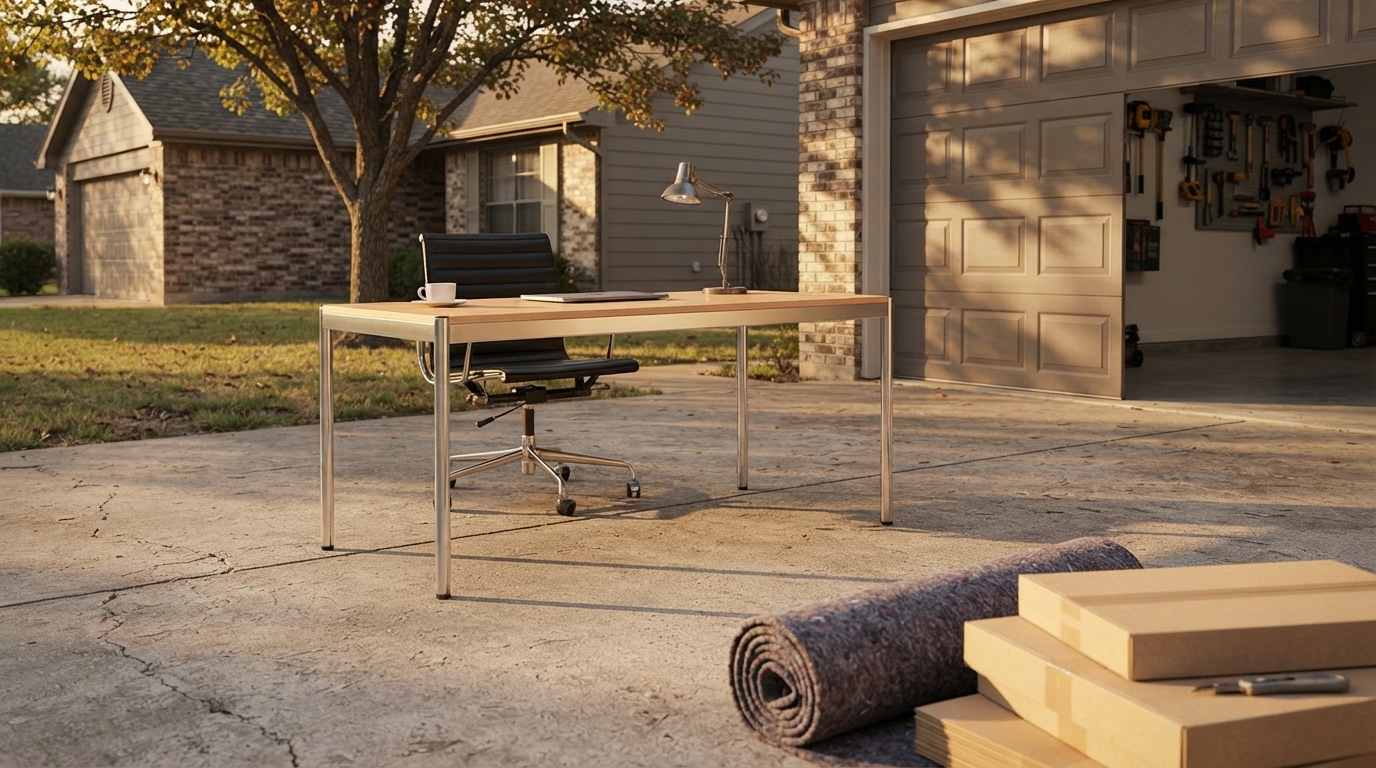
What is the difference between a writing desk and an office desk?
A writing desk is designed for simple, focused tasks like handwriting, journaling, reading, or working on a laptop. It’s typically slimmer, more minimal, and has limited storage—often a flat surface with perhaps a small drawer. An office desk is built for longer work sessions and heavier daily use, with more space for monitors, accessories, paperwork, and organization.
Size and surface area
Writing desks usually have a smaller footprint and a shallower top to keep the setup light and uncluttered. Office desks tend to be deeper and wider, making room for multiple screens, a keyboard and mouse, a desk lamp, and documents without feeling cramped.
Storage and organization
Most writing desks keep storage to a minimum, emphasizing legroom and a clean profile. Office desks commonly include built-in drawers, file cabinets, hutches, or shelving to manage supplies and paperwork. If you need dedicated filing space, an office desk is generally the better match.
Ergonomics and day-to-day work
Because office desks are intended for extended computer use, they’re often paired with ergonomic seating and may offer features that support a full workstation layout. Writing desks can still work for computer tasks, but they’re best when your setup is compact—think laptop-only or a single small monitor.
Style and placement
Writing desks often lean decorative and can blend into bedrooms, living rooms, or entryways as a multipurpose piece. Office desks are more likely to look work-focused and are frequently chosen for dedicated home offices or professional settings where storage and function come first.
For a deeper breakdown and quick comparisons, visit the full guide: https://agathin.com/what-is-the-difference-between-a-writing-desk-and-an-office-desk/.
FAQ
Can a writing desk be used as a computer desk?
Yes—especially for a laptop or a minimal setup with one small monitor. If you need multiple screens, lots of accessories, or filing storage, an office desk will usually feel more comfortable and organized.












Leave a comment