


Dog Ramps vs Stairs: Which Do Most Dogs Prefer?
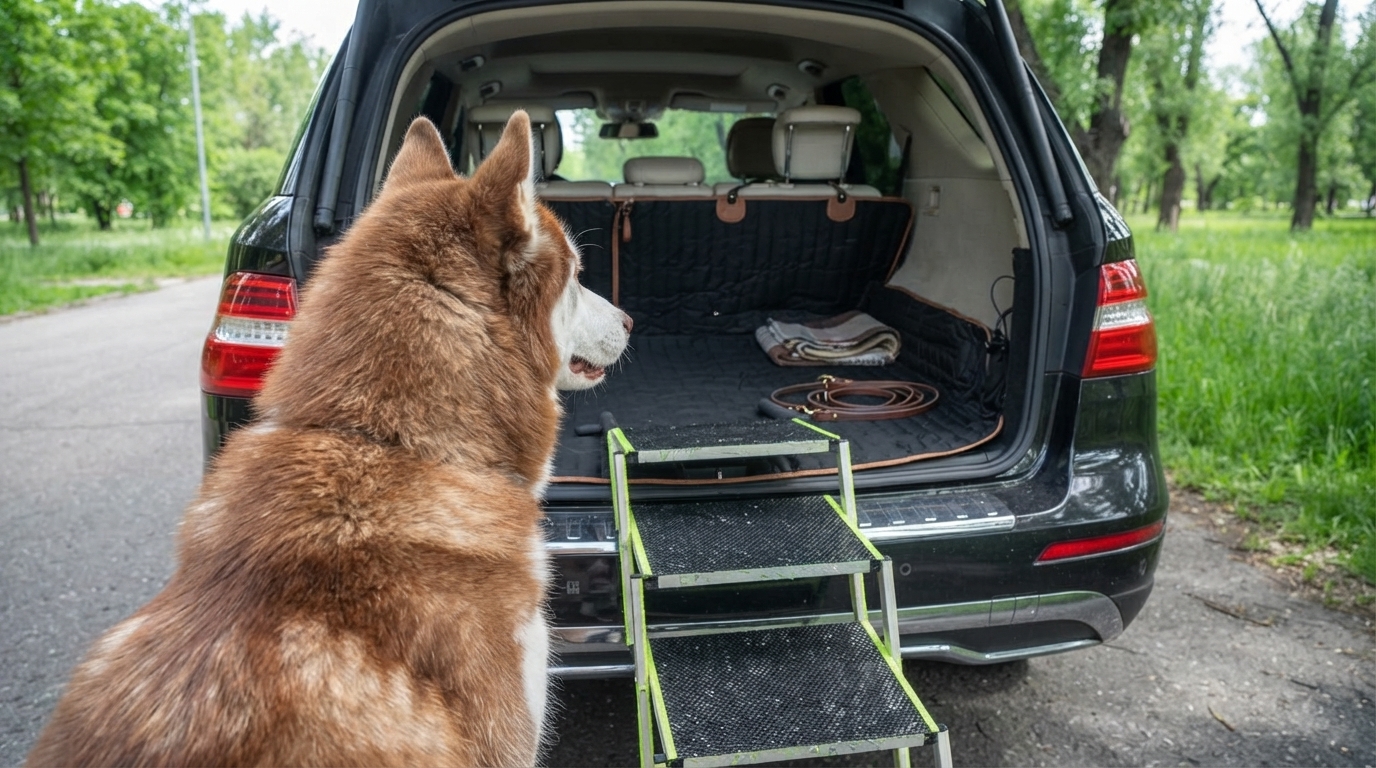
Do dogs prefer ramps or stairs?
Most dogs tend to prefer ramps over stairs when comfort, confidence, and joint health are the priority. A ramp lets a dog move in a smoother, more natural line without the repeated impact of lifting each leg high and landing on a step. That said, preference depends on the dog’s age, body type, fitness level, and what they’ve been trained to use.
What makes ramps easier for many dogs
Ramps often feel more predictable. With a gentle incline and steady footing, dogs can keep their balance and pace without the start-and-stop rhythm of steps. This can be especially helpful for dogs with:
- Arthritis, hip dysplasia, or knee issues
- Back sensitivity (including long-backed breeds)
- Limited vision or slower reaction time
- Short legs or a stocky build
Ramps also reduce the chance of a misstep when jumping on or off furniture or getting into a car, where awkward landings can strain joints.
When stairs may be preferred
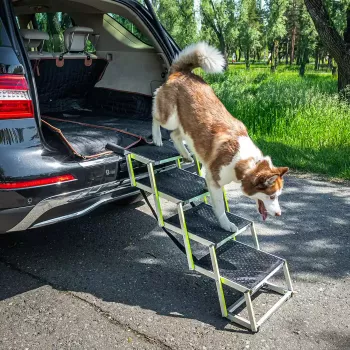
Some dogs genuinely like stairs—particularly confident, athletic dogs that have used them since puppyhood. Stairs can also work well when space is tight and the step height is low enough to be comfortable. If a dog moves up and down stairs with a relaxed gait (no hesitation, slipping, or bunny-hopping), stairs might be a fine option.
How to choose between a ramp and stairs
Watch how your dog approaches each option. Hesitation, stopping mid-way, or trying to jump instead of using the aid are common signs the setup isn’t ideal. For either product, traction matters: a non-slip surface and a stable base can influence preference more than the “ramp vs. stairs” debate.
For a deeper comparison, including safety tips and what to look for in each design, visit Do Dogs Prefer Ramps or Stairs?.
FAQ
How steep should a dog ramp be?
A gentle incline is usually easiest to use; steeper ramps can cause slipping and reluctance. If your dog strains, rushes, or avoids it, the ramp may be too steep or lacking traction.













Leave a comment