


Home Decor Styles: 10 Looks From Modern to Farmhouse
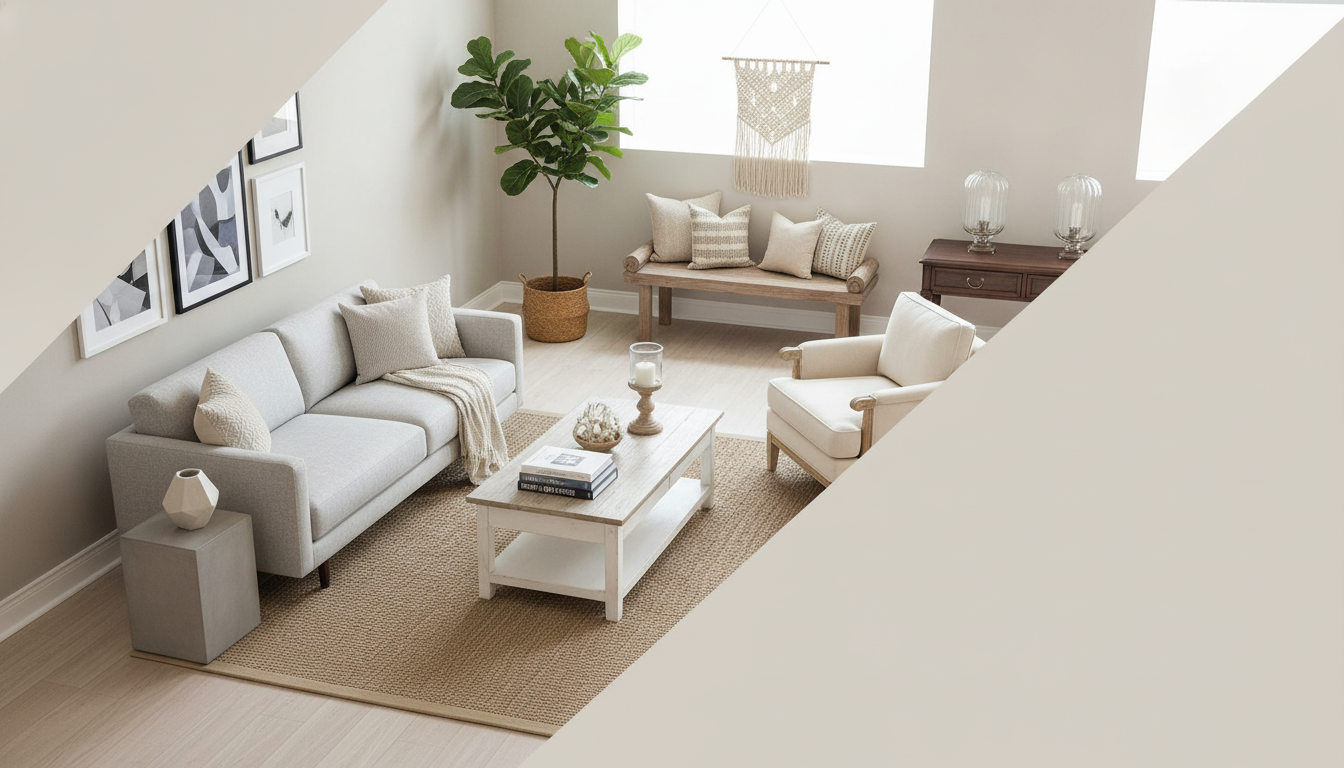
What are the types of home decor styles?
Home decor styles are recognizable design “families” that combine specific colors, materials, furniture shapes, and finishing details. Knowing the main styles makes it easier to decorate with intention—whether that means committing to one look or blending a few in a way that still feels cohesive.
Popular home decor styles to know
Modern: Clean lines, minimal ornament, and a focus on function. Think smooth surfaces, neutral palettes, and streamlined furniture.
Contemporary: A “right now” mix that evolves with trends. It often includes modern silhouettes but feels softer and more layered than strict modern.
Traditional: Classic furniture profiles, rich wood tones, and timeless patterns. Symmetry, warm neutrals, and refined details are common.
Transitional: A bridge between traditional and modern—tailored but inviting. You’ll see classic shapes simplified with calmer colors and less visual clutter.
Minimalist: Intentional simplicity with fewer items on display. Monochrome or muted palettes, negative space, and high-quality essentials lead the look.
Scandinavian: Light woods, bright whites, and cozy texture. It emphasizes comfort, practicality, and airy rooms that still feel warm.
Industrial: Inspired by warehouses and lofts—exposed metal, brick, concrete, and utilitarian lighting. A rugged palette and raw finishes define it.
Farmhouse (modern farmhouse): Comfortable, casual, and homey with natural textures, simple lines, and a mix of vintage and new pieces.
Mid-century modern: Retro-inspired forms, tapered legs, and organic curves. Warm woods, graphic accents, and iconic furniture shapes stand out.
Bohemian (boho): Eclectic layering—color, pattern, global textiles, and collected décor. It’s expressive, relaxed, and intentionally imperfect.
Want a deeper breakdown, visual cues, and guidance for choosing what fits your space? Visit the full guide here: https://agathin.com/what-are-the-types-of-home-decor-styles/.
FAQ
How do I choose a home decor style that fits my space?
Start with the architecture and fixed finishes, then pick a style that naturally complements them. Narrow your palette to 2–3 core colors and repeat a few key materials (like wood, metal, or linen) across the room for a pulled-together result.








Leave a comment