


Interior Design Trends 2020: Warm Neutrals, Texture & Curves
What are the trends for interior design 2020?
Interior design trends in 2020 leaned into comfort, personality, and practical upgrades that make everyday spaces feel warmer and more intentional. Instead of “perfect” rooms, the focus shifted to layered textures, livable layouts, and materials that age well. Homes started to look more curated and less showroom-styled—mixing old with new, soft with structured, and minimal with meaningful details.
Warm neutrals and earthy color palettes
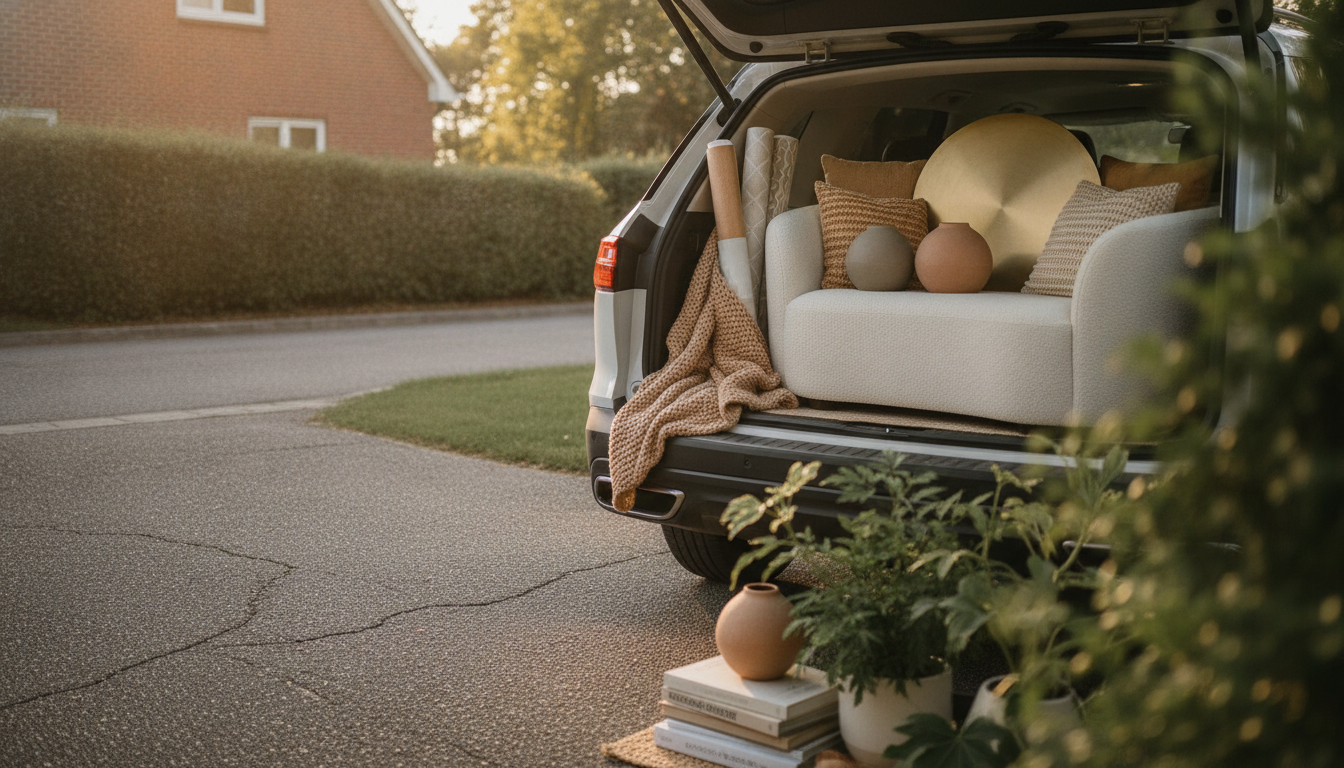
Cool grays began giving way to warmer neutrals like beige, camel, taupe, and creamy whites. Earthy tones—terracotta, clay, olive, and muted ochre—showed up on walls, textiles, and décor, adding depth without overwhelming a room. These shades paired easily with natural materials and made spaces feel calmer and more grounded.
Natural materials and tactile finishes
Another clear 2020 direction was a return to nature through wood, stone, rattan, jute, linen, and wool. Matte finishes—on hardware, faucets, lighting, and paint—became especially popular because they feel soft, modern, and less fussy than high-shine surfaces. Texture mattered as much as color, so bouclé, chunky knits, and woven accents were used to create coziness.
Curves, softness, and comfortable silhouettes
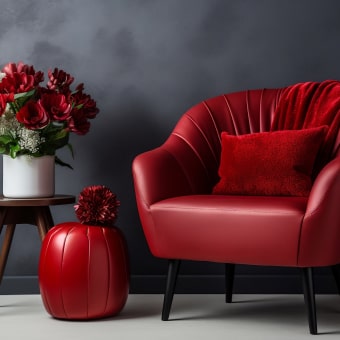
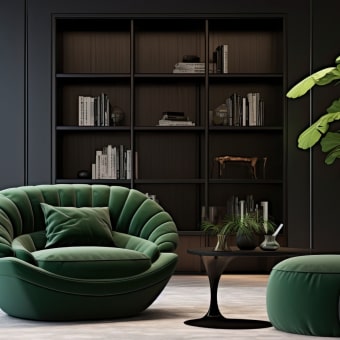
Rounded furniture lines made a strong comeback: curved sofas, barrel chairs, and arched mirrors helped rooms feel more welcoming. Even in modern interiors, softer edges balanced clean lines. Comfort-first choices weren’t limited to seating; plush rugs, layered pillows, and inviting throws were treated as essential parts of the design.
Statement lighting and bold accents
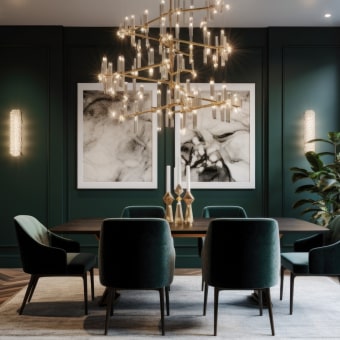
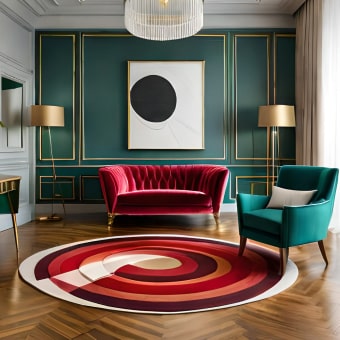
Lighting stepped into the spotlight in 2020, with sculptural pendants and oversized fixtures acting like functional art. Alongside that, bolder accent moments—like a deep-colored door, patterned tile, or a dramatic wallpapered nook—gave homes personality without requiring a full-room makeover.
For more examples and a deeper look at these styles, visit What are the trends for interior design?.
FAQ
What interior design trend continued after 2020?
Warm neutrals and natural materials continued well beyond 2020 because they’re easy to live with and work across many styles. Comfort-forward furniture and layered textures also remained popular as people prioritized cozy, flexible spaces.








Leave a comment