


Is 30 Day Fitness at Home Free? Costs & Trials
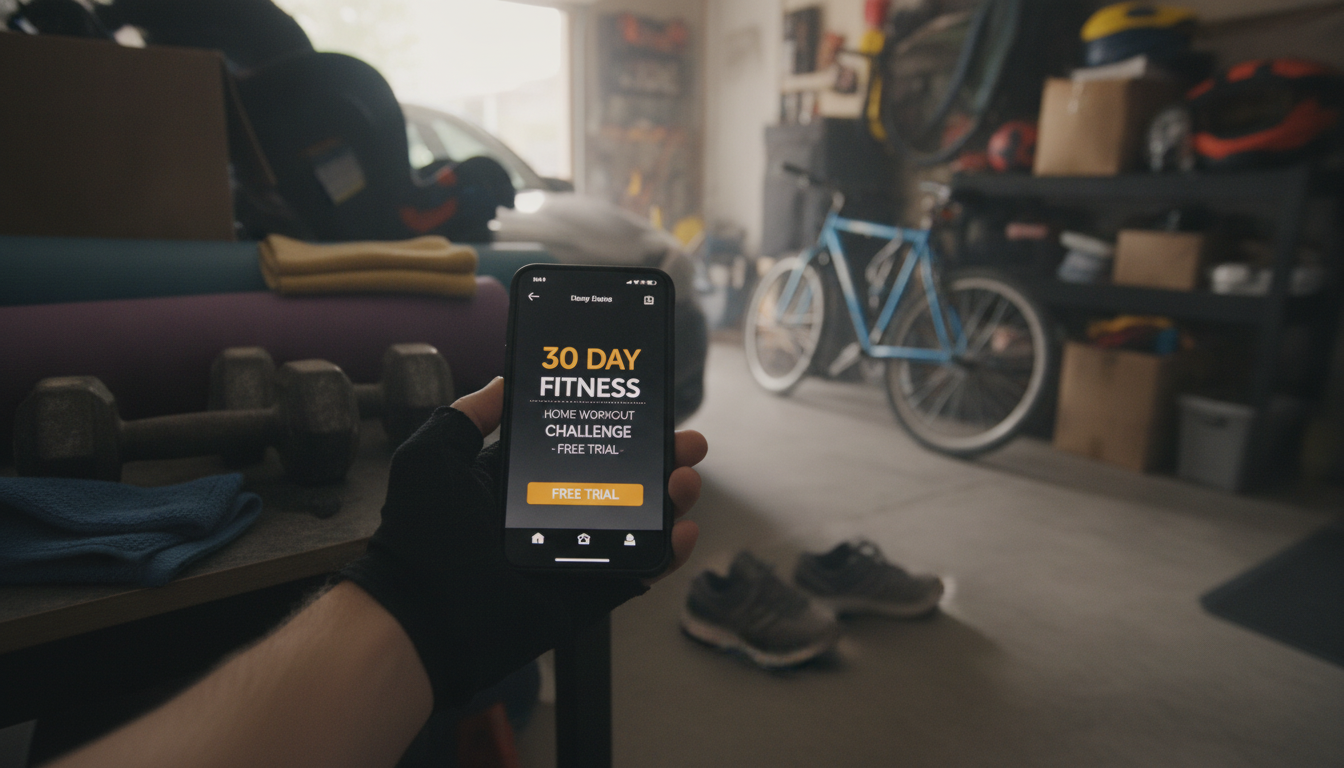
Is the 30 day fitness at home app free?
It depends on what “free” means in practice. Many “30 day fitness at home” style apps let you download the app at no cost and start browsing workouts, but the full experience is often split between limited free access and paid features. In other words, you may be able to use the app without paying, yet still run into locked programs, premium workout plans, advanced tracking, or an ad-free experience that requires a subscription.
A common setup is: free download, some beginner routines available, and optional upgrades that unlock structured 30-day challenges, additional workout libraries, nutrition tools, or personalized plans. Some apps also use a free trial period, where everything is available temporarily before the subscription begins unless canceled.
How to tell what you’ll get for free
Before committing time to a 30-day plan, check the app’s store listing and the in-app “Subscriptions” or “Restore Purchases” section. Look for wording such as “offers in-app purchases,” “subscription,” or “free trial,” and review what’s included in the free tier versus premium. Also confirm whether workouts can be completed without creating an account, and whether ads appear during sessions.
Will you be charged automatically?
If the app offers a free trial tied to a subscription, it may automatically renew at the end of the trial unless canceled through your Apple ID/Google Play subscription settings. Checking renewal terms upfront helps avoid surprise charges—especially if you only wanted to test the program for a few days.
More details and up-to-date specifics
For the most accurate breakdown of what’s included for free, what’s paywalled, and what to watch for with trials and subscriptions, visit the full guide here: https://agathin.com/is-the-day-fitness-at-home-app-free/.
FAQ
Does the app work offline after downloading workouts?
Some fitness apps allow offline access to pre-downloaded videos or plans, but many require an internet connection for streaming and syncing progress. Check the app’s settings or feature list to confirm offline support.
















Leave a comment