


Teppanyaki Grill: Worth It for Home Cooking?
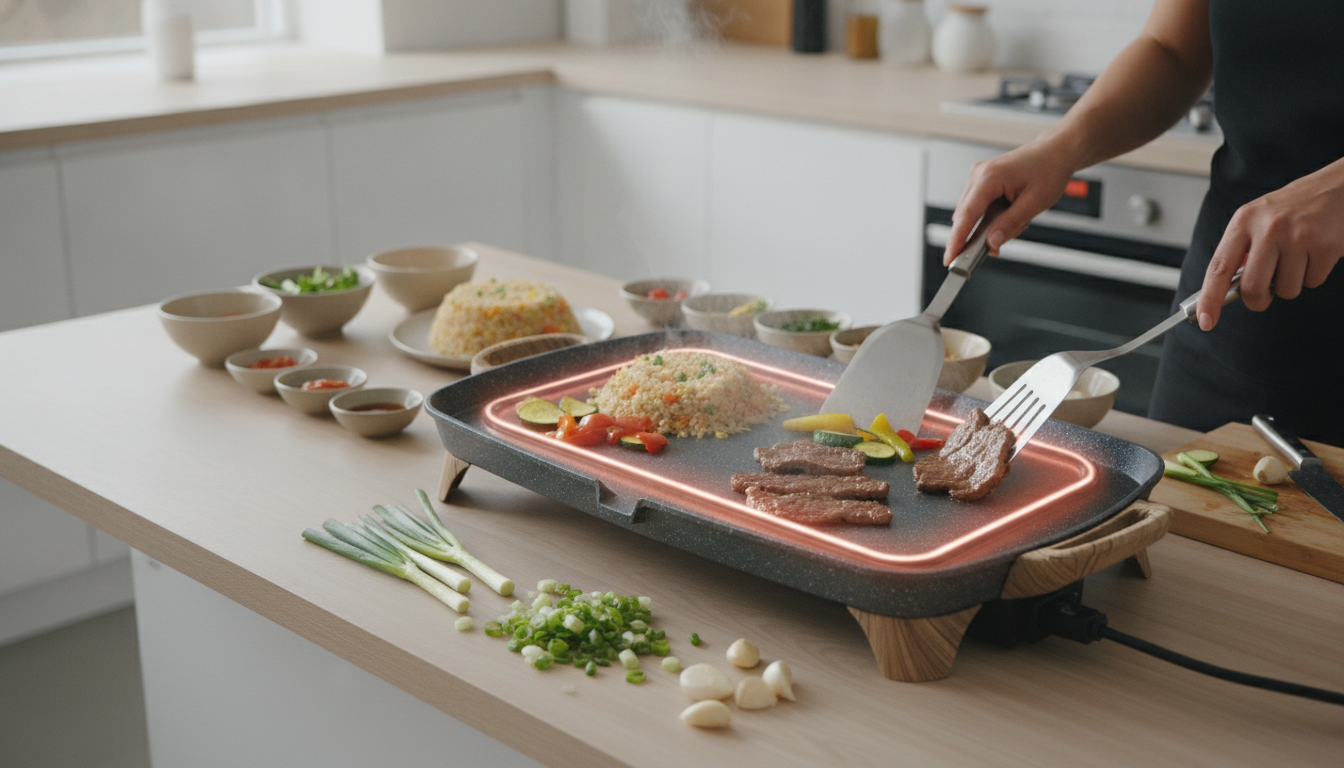
Is a teppanyaki grill worth it?
A teppanyaki grill is worth it when it matches how you cook and how often you’ll use it. If you like fast, high-heat cooking and want restaurant-style searing at home, a flat-top teppanyaki surface can deliver crisp edges on meats, tender vegetables, and fried rice with the kind of browning that’s hard to replicate in a skillet.
When it’s a great buy
It’s especially worthwhile for households that cook for multiple people or enjoy interactive meals. A teppanyaki grill lets you cook several components at once—protein, veggies, and sides—without juggling pans. Cleanup can be simpler than a pile of cookware, since everything happens on one surface. It’s also a strong choice for meal prep: you can cook large batches quickly and portion them out.
What to consider before buying
The biggest trade-offs are space, ventilation, and maintenance. These grills can be bulky, and high-heat cooking produces smoke and grease splatter, so a good hood (or an outdoor setup) matters. Nonstick models may require gentler tools and lower peak temps to protect the coating, while stainless or cast surfaces may need more seasoning and scraping to keep them performing well.
Who might skip it
If most meals are small (one or two servings), or if you rarely cook at high heat, a teppanyaki grill may feel like extra equipment. It can also be less ideal for sauces that need simmering, deep liquids, or dishes that rely on pot-style cooking.
Bottom line
For frequent home cooks who want speed, sear, and a fun “cook-and-serve” setup, a teppanyaki grill can be a smart upgrade. For a deeper breakdown of types, features, and practical tips, see the full guide on whether a teppanyaki grill is worth it.
FAQ
What’s the difference between a teppanyaki grill and a griddle?
A teppanyaki grill is a style of flat-top cooking that often emphasizes high heat and multi-item cooking, while a griddle is a broader category that can be stovetop or electric and may run at lower temps. Many products overlap, but teppanyaki setups are typically built for searing and rapid cooking across a wide surface.










Leave a comment