


Eco-Friendly in a Sentence: Clear Examples & Tips
How do you use eco-friendly in a sentence?
Use eco-friendly as an adjective to describe a product, habit, material, or choice that reduces harm to the environment. It’s commonly placed right before a noun (“eco-friendly packaging”) or after a linking verb like is (“This cleaner is eco-friendly”). Because it’s a compound modifier, it’s typically hyphenated when it comes before the noun.
Simple sentence examples
Here are a few natural-sounding ways to use it:
1) “We switched to eco-friendly laundry detergent to cut down on harsh chemicals.”
2) “These shipping mailers are eco-friendly and made from recycled materials.”
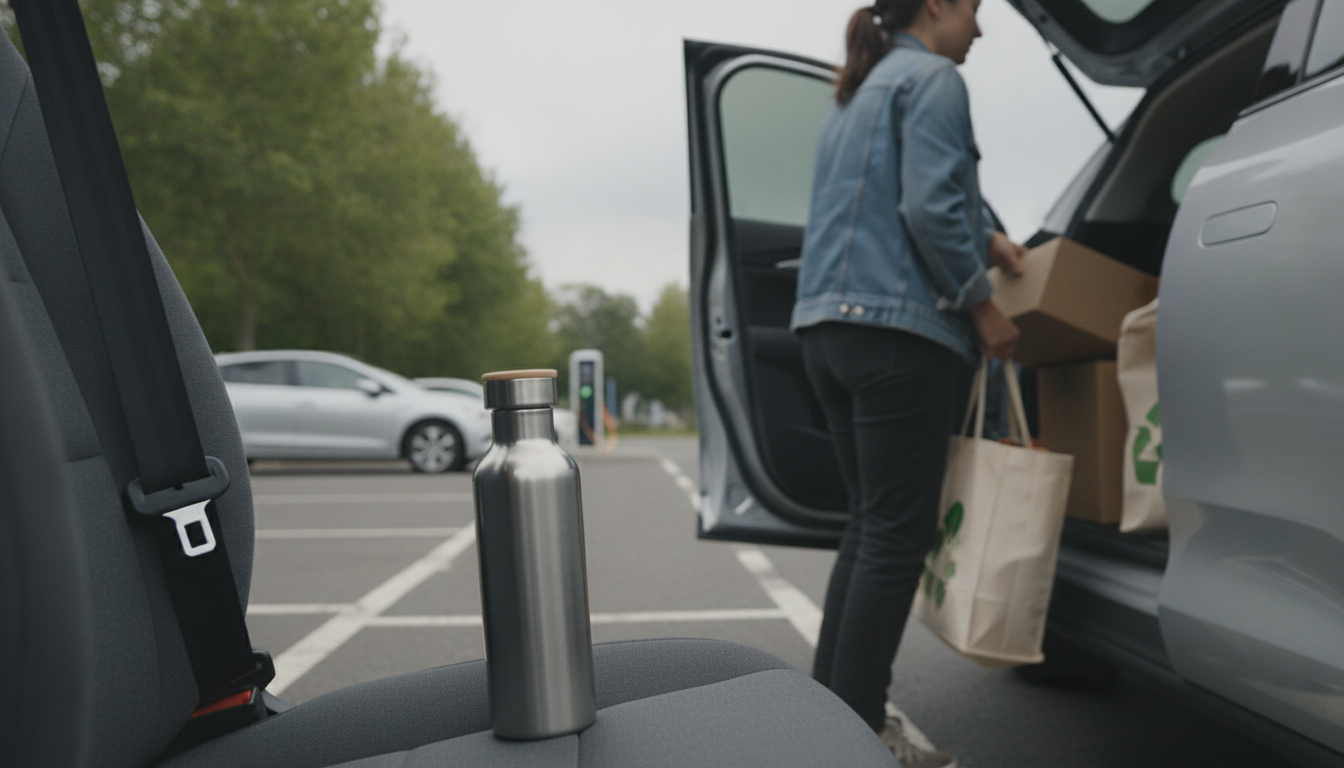
3) “She carries an eco-friendly water bottle instead of buying plastic ones.”
4) “The brand redesigned its boxes to be more eco-friendly.”
Product-focused examples for shopping and reviews
If you’re writing product descriptions or customer reviews, try these:
“This candle uses eco-friendly soy wax and burns cleanly.”
“I like that the refill system is eco-friendly and reduces waste.”
“The formula is gentle, and the packaging feels genuinely eco-friendly.”
Quick usage tips
Hyphenate it when it comes before a noun: “eco-friendly materials.” When it comes after a verb, the hyphen is still common and widely accepted: “The materials are eco-friendly.” If you need to be more specific, pair it with what makes it better for the environment (recycled content, compostable, low-waste, non-toxic, renewable, etc.).
For more examples and deeper guidance, visit https://agathin.com/how-do-you-use-eco-friendly-in-a-sentence/.
For Eco-Friendly in a Sentence: Clear Examples & Tips, the best answer depends on fit, material, care instructions, and how the product will be used day to day.
Checking those details first helps avoid a poor match and keeps the choice practical after delivery.
FAQ
What is the difference between eco-friendly and sustainable?
“Eco-friendly” describes something designed to have less environmental impact, while “sustainable” suggests it can be maintained long-term without depleting resources. Many products aim to be both, but the terms aren’t identical.














Leave a comment