


Free AI Backyard Design: What You’ll Get & What You Won’t
Can AI design my backyard for free?
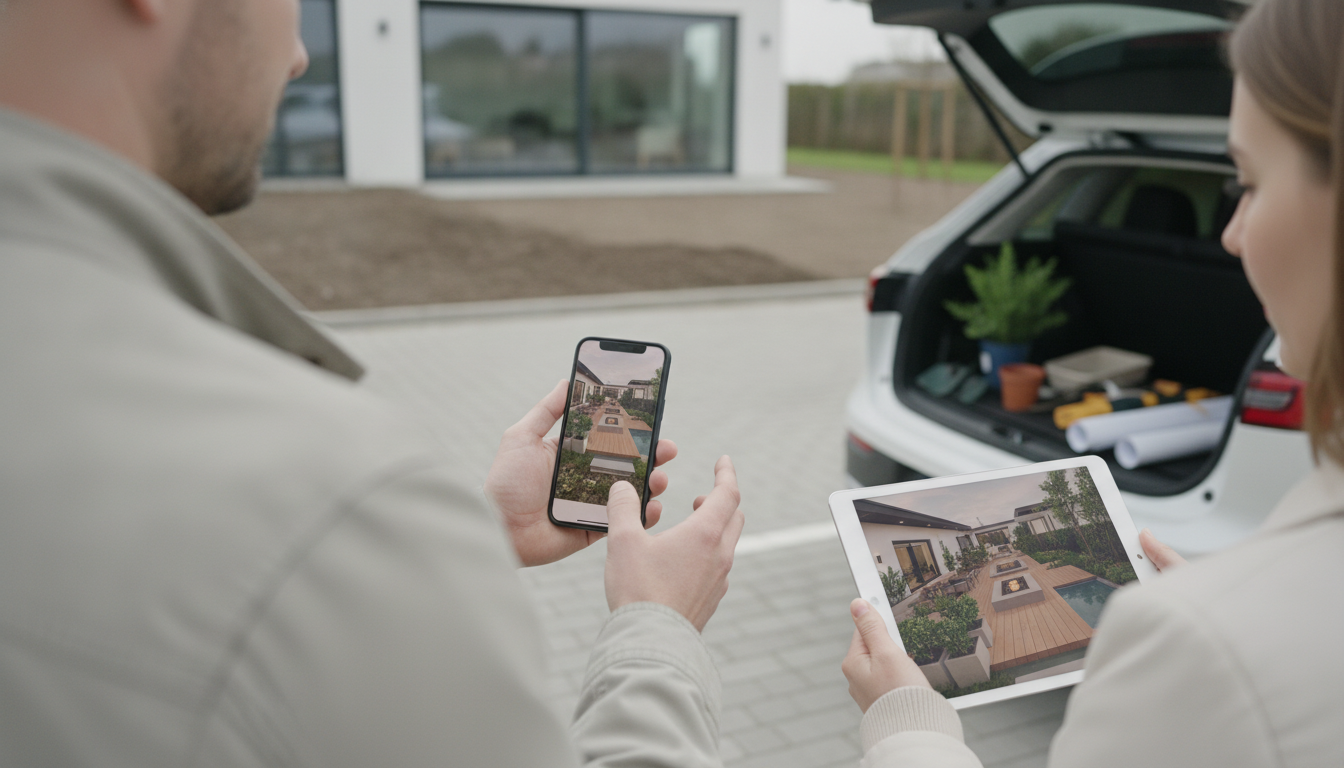
Yes—AI can help design your backyard for free, as long as you’re comfortable with lightweight concept planning instead of full construction-ready drawings. Many AI tools and apps offer free tiers that generate layout ideas, style directions, and quick visual mockups from a photo of your yard. The trade-off is usually limits on exports, resolution, the number of renders per day, or access to premium features like precise measurements and advanced editing.
Free AI backyard design works best for early decisions: where a seating area could go, how to zone a small patio, what materials and colors pair well, and which overall vibe (modern, coastal, rustic, etc.) fits your space. Once you have a direction, you can refine it with real-world measurements and product choices.
For a practical way to turn ideas into a plan—especially if you’re also thinking about outdoor seating and durability—see this guide to outdoor patio furniture materials, styles, and AI planning.
What “free” AI backyard design can (and can’t) do
What you’ll usually get at no cost
Expect fast concept options: suggested furniture placement, basic hardscape zones (patio, path, fire pit area), and style boards that point you toward cohesive finishes. Some tools can generate multiple looks from one yard photo, helping you compare layouts without committing to a contractor.
Where free tools hit limits
Most free versions struggle with accuracy. They may not respect slope, drainage, setback rules, or the exact footprint of existing features. If you need permitting, grading, irrigation, lighting plans, or a detailed planting schedule, you’ll likely need a paid tool or a landscape pro to validate the design.
How to get better results without paying
Start with a straight-on photo taken in good daylight, then add a few real measurements (patio width, fence line length, door-to-property line distance). Keep your requests specific: list must-haves (dining for six, shade, storage) and constraints (pet-safe plants, low maintenance, budget range). Finally, compare two to three AI concepts and combine the best parts into one realistic plan.
FAQ
How do I ask AI to design my backyard?
Provide a clear photo, basic measurements, and a short list of goals (like dining, lounging, privacy, or play space). Add constraints such as sun exposure, maintenance level, and a target style so the suggestions stay consistent.
Is the yard AI app free?
Many yard design apps have a free tier, but it’s often limited to a small number of designs, watermarked exports, or reduced quality. Check whether the free version includes photo-based rendering and whether you can save or download results.
Can I use AI to do landscape design?
AI is useful for concept layouts, visual inspiration, and narrowing down styles and materials. For technical plans involving drainage, grading, utilities, or permitting, use AI as a starting point and verify the final design with a qualified professional.















Leave a comment