


Smokeless Charcoal Indoors? Safety Risks & Alternatives
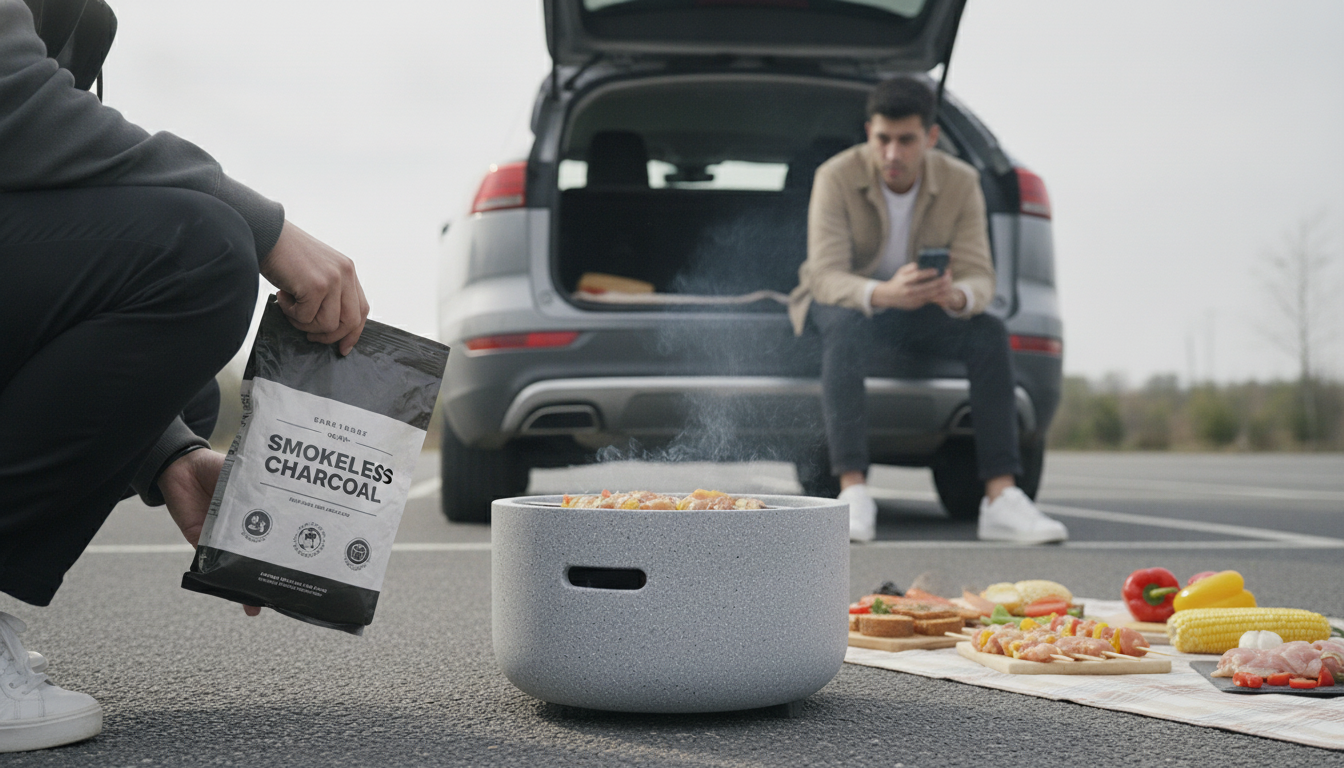
Can you use smokeless charcoal indoors?
Even when it’s labeled “smokeless,” charcoal should not be used indoors for cooking, heating, or grilling. Charcoal burns by producing carbon monoxide (CO), an odorless, colorless gas that can build up quickly in enclosed or poorly ventilated spaces. “Smokeless” usually refers to reduced visible smoke and fewer sparks compared to some traditional charcoal options—not the absence of dangerous combustion gases.
Why “smokeless” doesn’t mean safe inside
Smokeless charcoal can still create:
- Carbon monoxide: The primary risk indoors, especially in kitchens, garages, tents, basements, and apartments.
- Carbon dioxide and depleted oxygen: Burning fuel consumes oxygen, which can be dangerous in tight spaces.
- Lingering fumes and fine particles: Even low-smoke charcoal can release irritants that affect air quality.
Because CO can’t be detected by smell, people may not realize they’re being exposed until symptoms appear, such as headache, dizziness, nausea, confusion, or unusual fatigue.
Safer alternatives for indoor cooking and heat
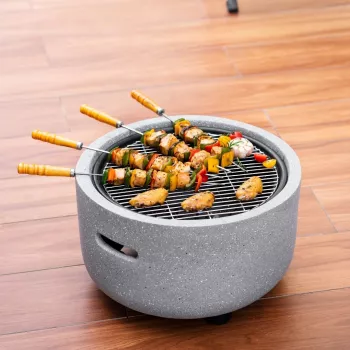
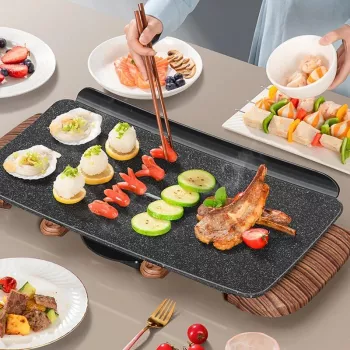
If the goal is an indoor-friendly setup, choose products designed and certified for indoor use. Options may include electric grills/griddles, induction cooktops, or properly installed gas appliances with correct ventilation. For warmth, use electric space heaters that meet recognized safety standards and follow placement guidelines to reduce fire risk.
When charcoal can be used “near” indoors
Charcoal is generally appropriate only outdoors, in open air. Using it in a garage with the door open, near a doorway, or under a covered patio that restricts airflow can still allow CO to drift inside. Keep charcoal grills and braziers well away from doors, windows, and vents, and never use them in enclosed or semi-enclosed areas.
For deeper details on risks, ventilation realities, and practical safety tips, see the full guide here: https://agathin.com/can-you-use-smokeless-charcoal-indoors/.
For Smokeless Charcoal Indoors? Safety Risks & Alternatives, the best answer depends on fit, material, care instructions, and how the product will be used day to day.
FAQ
Can you use a charcoal grill in a garage with the door open?
No. A partially open garage can still trap carbon monoxide and allow it to spread into the home, creating a serious poisoning risk.













Leave a comment