


Nike Winter Jackets for Extreme Cold: What to Expect
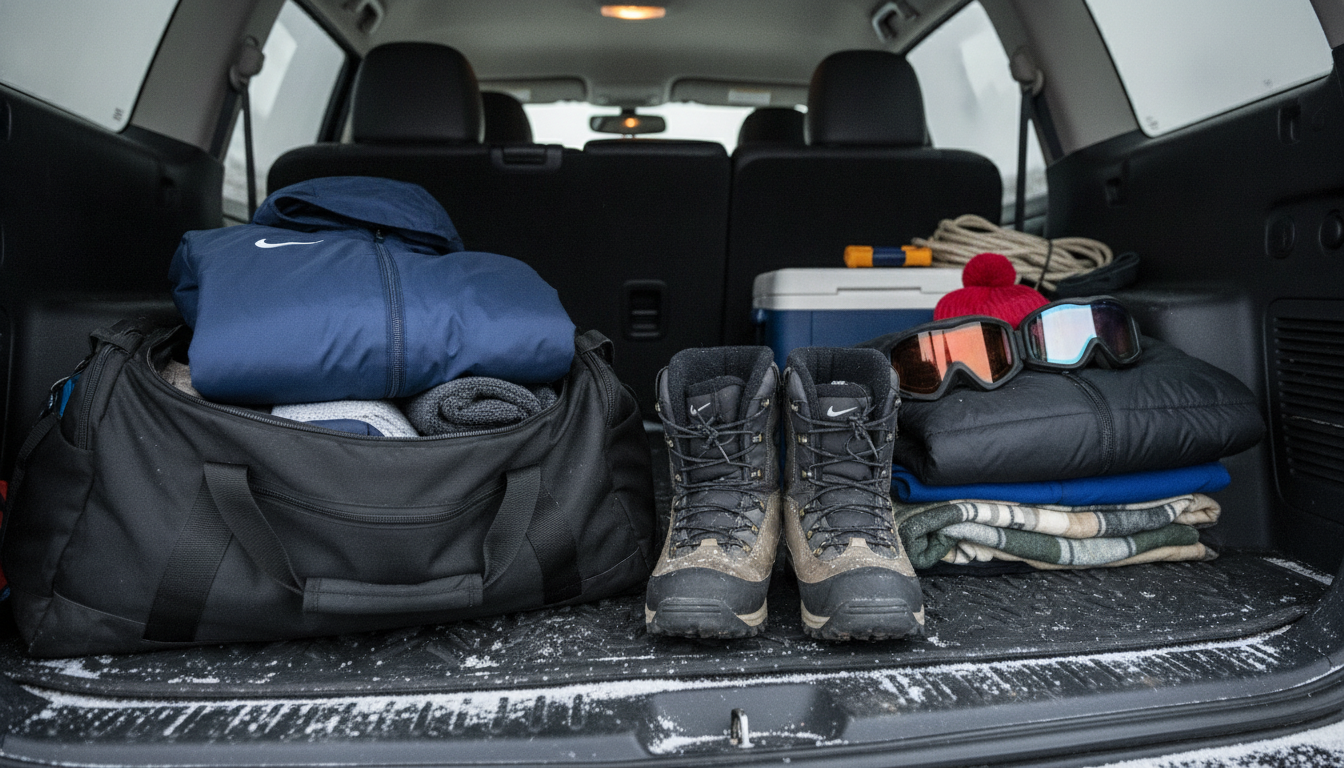
Are Nike winter jackets good for extreme cold?
Nike winter jackets can work in extreme cold in some situations, but it depends heavily on the specific line, insulation type, and how you layer. Many Nike jackets are designed for active use—running, training, commuting—where breathability and mobility matter as much as warmth. In truly brutal temperatures (especially with wind, long exposure, or low activity), a lightweight or midweight Nike puffer may not be enough on its own.
What “extreme cold” requires from a jacket
For subfreezing, high-wind conditions, a jacket needs a strong combination of insulation, wind resistance, and coverage. Look for features like a well-insulated hood, high collar, longer hem length, storm cuffs, and a shell fabric that blocks wind. If the jacket is primarily meant for performance movement, it may sacrifice some loft or length that helps during standing, waiting, or walking slowly outdoors.
When Nike jackets perform well
Nike’s insulated parkas and heavier puffers can be a solid choice for cold city winters when paired with good layers. Options with higher-loft insulation and a more protective outer shell tend to do best. They’re often comfortable, flexible, and easy to wear daily—especially if you’re moving a lot and don’t want an overly bulky coat.
When you may need more than Nike
If “extreme cold” means prolonged time outside, very low temperatures, or exposure to wet snow and strong wind, you may want a more expedition-focused parka or a jacket specifically rated for severe winter conditions. Another practical approach is to use a Nike insulated jacket as a midlayer and add a windproof/waterproof shell on top.
More details and recommendations
For a deeper breakdown of which Nike styles are most suitable, what to look for in insulation and shell materials, and how to layer for harsher weather, visit the main guide on Nike winter jackets for extreme cold.
FAQ
What should I wear under a winter jacket for very cold weather?
Use a moisture-wicking base layer, add an insulating midlayer like fleece or wool, and adjust thickness based on activity level. Warm socks, gloves, and a hat often make a bigger comfort difference than adding another outer jacket layer.













Leave a comment