


Best Vanity Height for a Round Vessel Sink + Tall Faucet
What vanity height works best with a round vessel sink and a tall antique brass faucet?
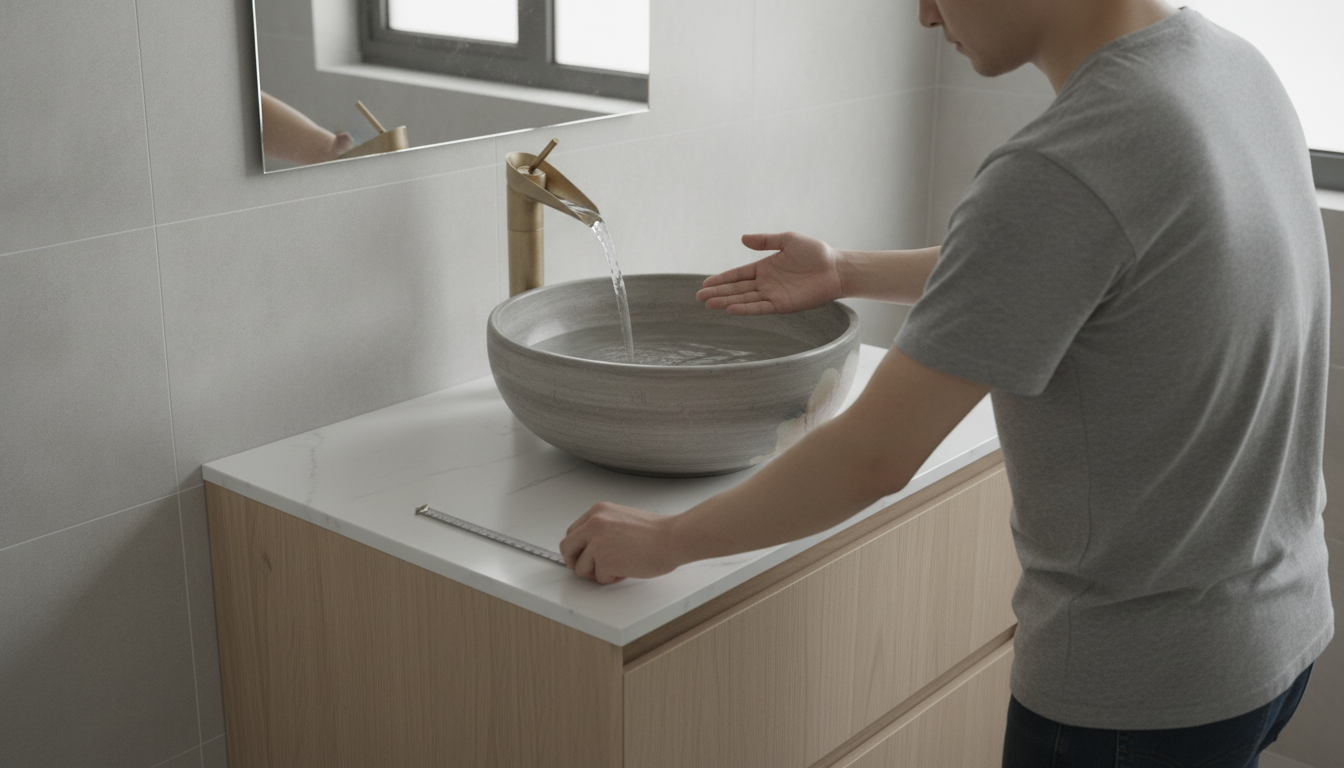
The best vanity height for a round vessel sink paired with a tall antique brass faucet is usually a slightly lower base cabinet than standard, so the finished sink rim lands at a comfortable hand-washing height. In most bathrooms, that means choosing a vanity around 30–32 inches tall (countertop included), then adding the vessel sink height to reach a final rim height of roughly 34–36 inches.
Why a lower vanity base often works better with vessel sinks
Unlike an undermount or drop-in sink, a vessel sink sits on top of the counter. A typical round vessel can add 4–7 inches above the countertop. If the vanity is the common 34–36 inch height before the sink is installed, the rim can end up too high, making daily use feel awkward—especially for kids or shorter adults.
How to target a comfortable finished height
A practical approach is to work backward from the finished height. Many people find a sink rim height around 34–36 inches comfortable. Measure the height of the vessel sink from its base to rim, then subtract that number from your desired rim height to estimate the vanity + countertop height to buy. Example: if the vessel sink is 6 inches tall and you want a 35-inch rim height, aim for about a 29-inch vanity/counter height (often achieved with a 30-inch vanity plus a thinner top).
What the tall antique brass faucet changes
A tall faucet is usually chosen to clear a vessel sink rim comfortably and reduce splashing. The vanity height doesn’t need to increase because the faucet is tall; instead, focus on spout reach (so water lands near the drain) and spout-to-rim clearance (often about 2–4 inches). Also confirm the faucet’s overall height won’t clash with mirrors or medicine cabinets once the sink is in place.
For additional sizing tips, measurements, and examples, visit the complete guide here: https://agathin.com/what-vanity-height-works-best-with-a-round-vessel-sink-and-a-tall-antique-brass-faucet/.
FAQ
How do I prevent splashing with a vessel sink and tall faucet?
Choose a faucet with the right spout reach so the water stream hits closer to the drain, not the bowl’s sidewall. Keeping the stream low and centered and maintaining a few inches of spout-to-rim clearance also helps reduce splash.














Leave a comment