


Buffet vs Sideboard: Key Differences for Your Dining Room
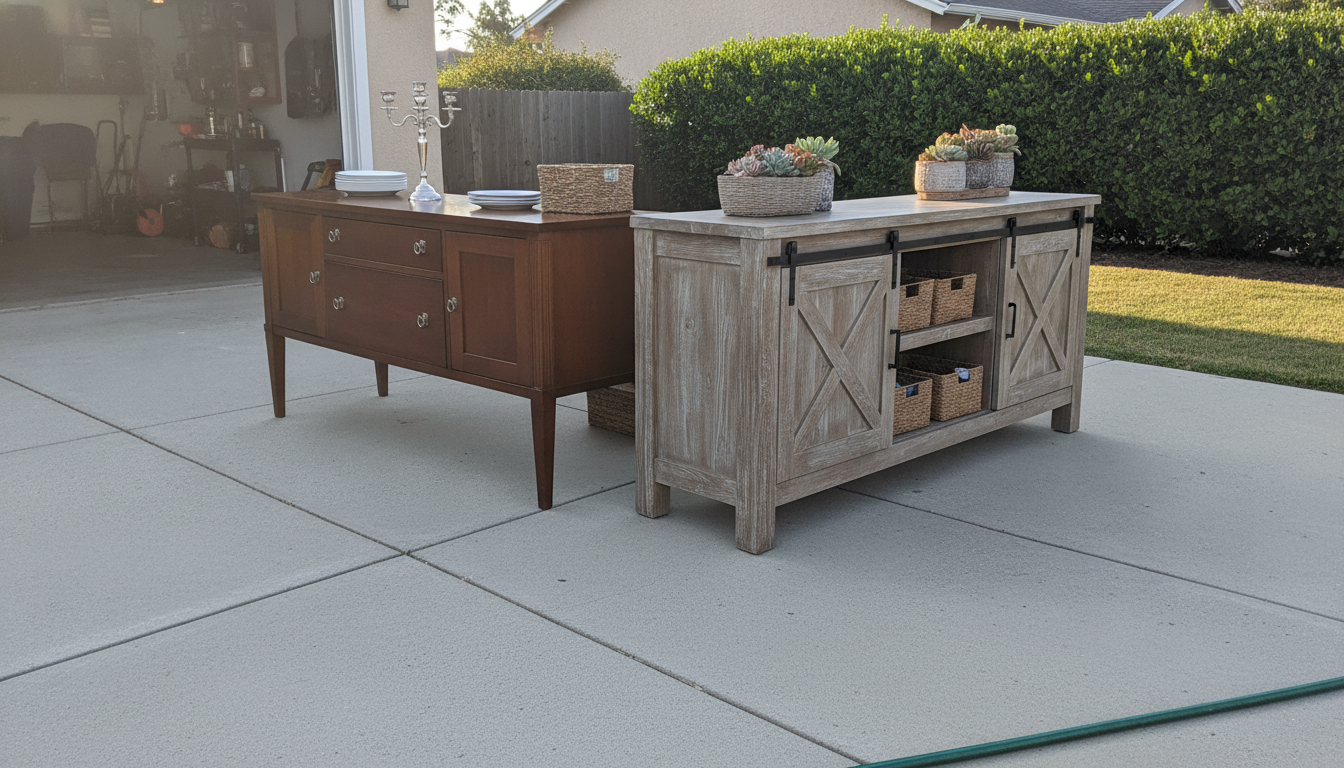
What’s the difference between a buffet and sideboard?
Buffets and sideboards are both long, low storage pieces often used in dining rooms, but the difference comes down to purpose and typical features. A buffet is traditionally meant for serving food—think plates, platters, and warming dishes—so it often includes a broader top surface and may be designed to handle heavier entertaining use. A sideboard is more focused on storage and display, commonly used to keep table linens, dinnerware, and barware organized while keeping the room visually balanced.
Typical design and function
A buffet is usually associated with hosting. It’s the piece people set up for self-serve meals, desserts, or drinks, so the top tends to feel like a “working” surface. Some buffets include features that support serving, such as a slightly deeper cabinet, sturdier construction, or layouts that prioritize easy access during gatherings.
A sideboard can certainly be used for serving too, but it’s more likely to be styled as part of the room’s decor—topped with lamps, art, or a mirror—while quietly handling everyday storage needs behind doors or in drawers.
Where they’re used
Both pieces live most often in the dining room, but sideboards frequently show up in entryways, living rooms, or hallways as a multipurpose console with extra storage. Buffets are more likely to stay close to the dining area since their name and design are tied to food service and entertaining flow.
How to choose between them
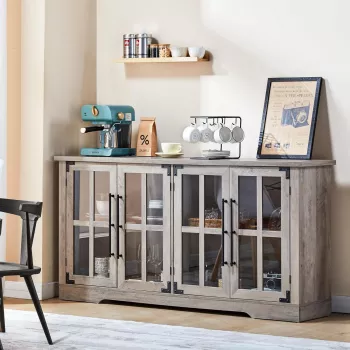
Pick a buffet if the priority is frequent hosting and a dependable surface for setting out food and drinks. Choose a sideboard if the goal is a polished storage piece that supports the room aesthetically day-to-day. For a deeper breakdown of styles (including cabinets with glass doors) and how to match them to your space, visit this guide to buffets, sideboards, and glass-door cabinets.
FAQ
What should you store in a sideboard?
Common choices include placemats, napkins, serving utensils, extra dishes, glassware, and small entertaining items like candle holders or wine tools. Use drawers for linens and flatware, and cabinets for stacks of plates or larger serving pieces.









Leave a comment