


Most Durable Vessel Sink Material: Why Ceramic Wins

What is the most durable vessel sink material?
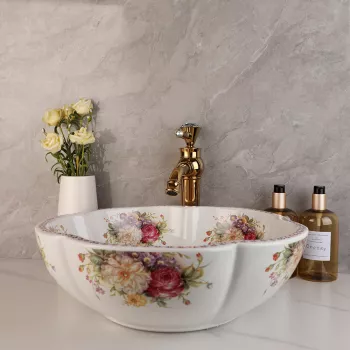
For most bathrooms, the most durable vessel sink material is high-fired ceramic (often called vitreous china). It’s fired at very high temperatures, creating a hard, non-porous surface that resists scratches, staining, and everyday wear from cosmetics, soaps, and water exposure. For a durable, low-fuss choice that still looks refined, ceramic is a standout option.
Why high-fired ceramic holds up so well
Durability isn’t only about hardness—it’s also about how well a sink material handles moisture, cleaners, and temperature changes over time. High-fired ceramic checks those boxes with a dense body and glossy glaze that helps prevent water absorption. That means fewer lingering stains and less risk of surface dulling when the sink is cleaned regularly.
Ceramic is also less likely to show fine wear compared to some natural stones that can etch or lose polish. When paired with a properly supported vanity and installed with the right drain and faucet height, a ceramic vessel sink can look new for years with basic care.
How ceramic compares to other durable vessel sink materials
Stone (granite, marble, travertine): Natural stone can be physically strong, but it often needs sealing and can be vulnerable to etching or discoloration from certain products. Stone is “durable” in structure, but sometimes higher maintenance in finish.
Stainless steel: Very tough and impact-resistant, but it can show water spots, fingerprints, and scratches more readily. The look is also more industrial than many vessel-sink styles.
Tempered glass: Stronger than standard glass, yet more prone to visible water spotting and can chip if hit hard on an edge.
Concrete: Can be sturdy, but quality varies widely and sealing is critical to prevent staining and water absorption.
Making a durable choice for your bathroom
For a balance of long-term durability, easy cleaning, and broad style compatibility, ceramic vessel sinks are hard to beat. For sizing, faucet pairings, and day-to-day care tips, see the full guide here: https://agathin.com/guide-peony-ceramic-vessel-sink-measurements-pairings-care/.
FAQ
Do ceramic vessel sinks chip easily?
They’re resistant to everyday wear, but heavy impacts (like dropping a metal tool) can chip the glaze. With normal use and sensible handling, chipping is uncommon.













Leave a comment