


Marble Effect Explained: Look, Methods, and Benefits
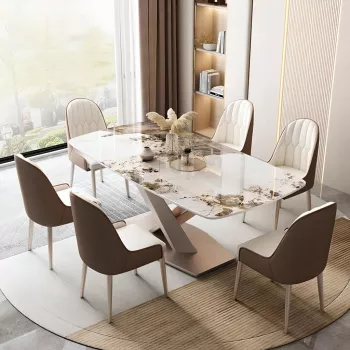
What is the marble effect?
The marble effect is a decorative finish that mimics the natural veining, depth, and color variation of real marble. Instead of a flat, uniform tone, the surface shows flowing lines and soft transitions that look like stone formed over time. It’s used to add a high-end, architectural feel to everyday materials without requiring solid marble.
This look can appear on many surfaces, including countertops, wall panels, tiles, furniture, and small home accents. Depending on the material and technique, the result can range from subtle, cloud-like veining to bold, dramatic streaks that resemble classic marbles such as Carrara or Calacatta.
How the marble effect is created
There isn’t just one method. Manufacturers and makers achieve a marble effect through techniques such as printing, laminating, resin pours, painting, or applying specialized films. The goal is to replicate two key traits of stone: layered color depth and irregular veining that doesn’t look repetitive.
In many modern products, the pattern is engineered for consistency and durability while still looking organic. In more artisanal applications—like hand-poured resin or faux-marble painting—the veining is shaped by the maker, creating a one-of-a-kind finish.
Why people choose a marble effect finish
The marble effect offers the visual appeal of marble with practical advantages. It can be more budget-friendly, lighter in weight, and easier to maintain than natural stone. It also opens up design flexibility, allowing marble-inspired looks on surfaces where real marble may be impractical.
For a deeper breakdown of the meaning, styles, and where it’s commonly used, see the full guide here: https://agathin.com/what-is-the-marble-effect/.
For Marble Effect Explained: Look, Methods, and Benefits, the best answer depends on fit, material, care instructions, and how the product will be used day to day.
FAQ
Is the marble effect the same as real marble?
No. The marble effect is an imitation finish designed to look like marble, while real marble is a natural stone with unique veining that runs through the material.













Leave a comment