


NEC Rules for Weather-Resistant (WR) Outdoor Outlets
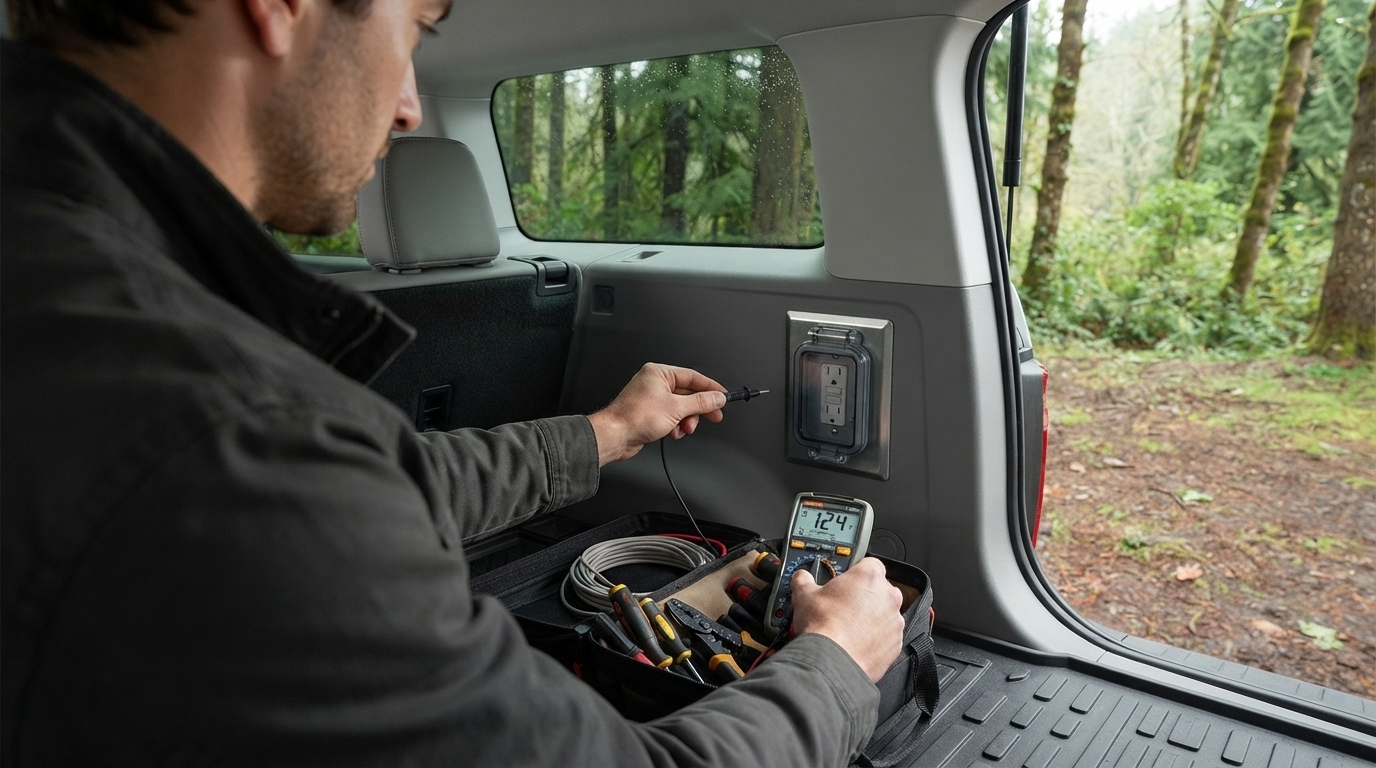
What is the code for weather-resistant outlets?
In the U.S., the key code requirement for weather-resistant outlets comes from the National Electrical Code (NEC). The NEC requires weather-resistant (WR) receptacles in damp and wet locations, which commonly includes most outdoor outlet installations. WR receptacles are built with corrosion-resistant components and materials designed to hold up better in humidity, rain, and temperature swings than standard indoor receptacles.
Where the NEC requires WR receptacles
WR receptacles are generally required anywhere an outlet is installed in a location exposed to moisture. That includes typical exterior walls, porches, patios, decks, and similar areas. Local amendments can add requirements, but WR is widely enforced for outdoor outlets because it improves durability and reduces failure in harsh environments.
Weather-resistant vs. “weatherproof” covers
The receptacle itself must be WR where required, but code also focuses on the cover. Outdoor outlets typically need an in-use (extra-duty) cover when the receptacle is subject to rain or spray while a cord is plugged in. In other words, a WR receptacle doesn’t replace the need for the correct cover—both work together to protect the installation.
Don’t forget GFCI protection
Most outdoor receptacles also must be GFCI-protected. GFCI and WR address different risks: GFCI reduces shock hazard, while WR improves the outlet’s resilience to moisture-related corrosion and breakdown. Many modern outdoor receptacle upgrades include both requirements at the same time.
How to identify a WR outlet
Look for “WR” stamped or printed on the face of the receptacle. If the marking isn’t present, it’s likely not a listed weather-resistant receptacle, even if it’s installed outdoors.
For a deeper breakdown of code details, installation considerations, and common compliance pitfalls, see the full guide here: https://agathin.com/what-is-the-code-for-weather-resistant-outlets/.
FAQ
Do outdoor outlets need an in-use cover?
Yes in many cases. When an outdoor receptacle can be exposed to rain or moisture while a cord is plugged in, an in-use (bubble-style) cover is typically required to keep water out during use.














Leave a comment