


Best Weatherproof Tent: Rain, Wind & 3 vs 4-Season
What is the best weather proof tent?
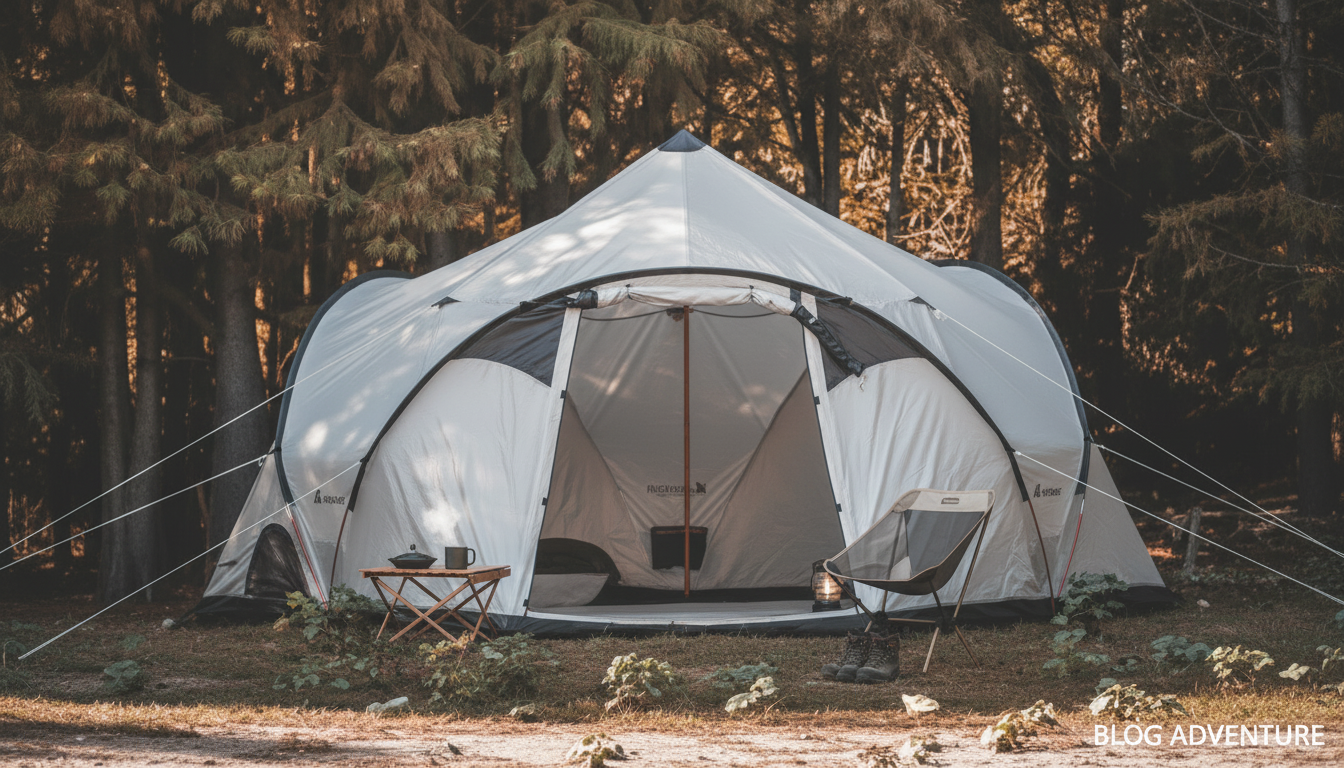
The best weather proof tent is one that matches your typical conditions and delivers proven protection where it matters most: rain, wind, and ground moisture. For most campers, a 3-season tent with a full-coverage rainfly, a bathtub-style floor, sealed seams, and a sturdy pole structure offers the strongest balance of storm readiness, weight, and ventilation. If you regularly camp in exposed, high-wind areas or cold, snowy conditions, a true 4-season tent with a stronger frame and lower-profile design is usually the better choice.
What makes a tent truly weatherproof?
Look for full-coverage rainfly coverage that reaches close to the ground, since partial flies can allow wind-driven rain to hit the tent body. A high-quality floor with a tall tub and reinforced corners helps prevent pooling water from seeping in. Factory-taped seams and durable zippers with storm flaps reduce common leak points. For wind, prioritize a pole geometry designed to shed gusts and multiple guy-out points so the fly stays tight rather than flapping and funneling water inside.
How to judge rain and moisture protection
Waterproof ratings (often measured in millimeters) can be helpful, but construction details matter just as much. A tent can have a high-rated fabric and still leak if the seams, corners, or fly attachment points aren’t well designed. Choose a rainfly that creates enough space above the inner tent to reduce condensation transfer, and pair it with good ventilation to avoid waking up to damp walls even when it isn’t raining. A footprint or groundsheet can further protect the floor from abrasion and saturated ground.
How to choose based on your camping style
For car camping, a slightly heavier tent with thicker fabric, extra guy lines, and more robust poles can be a smart trade for durability. For backpacking, prioritize a reliable rainfly, solid wind stability, and efficient ventilation without pushing weight too high. No matter the category, practice a tight pitch, stake out the fly fully, and use guylines early—weatherproofing is part gear, part setup.
For a deeper breakdown of what to look for—and how different designs compare—visit the main guide on the best weather proof tent.
FAQ
How do you waterproof a tent for heavy rain?
Start by sealing seams (if not factory-taped), refreshing the rainfly’s water-repellent coating when it stops beading, and checking for worn floor areas. Pitch with proper tension, use all guylines, and add a footprint to reduce ground moisture and abrasion.















Leave a comment