


Dog Ramp Alternatives: Safe Ways to Help Your Dog Up
What can you use instead of a dog ramp?
Safe alternatives that help your dog get up and down
If you don’t have a dog ramp handy, there are several practical substitutes that can still reduce jumping and strain—especially for senior dogs, small breeds, or pets recovering from injury. The best option depends on the height your dog needs to reach, how steady they are on their feet, and how much grip the surface provides.
For a deeper look at options and safety tips, see the main guide here: https://agathin.com/what-can-you-use-instead-of-a-dog-ramp/.
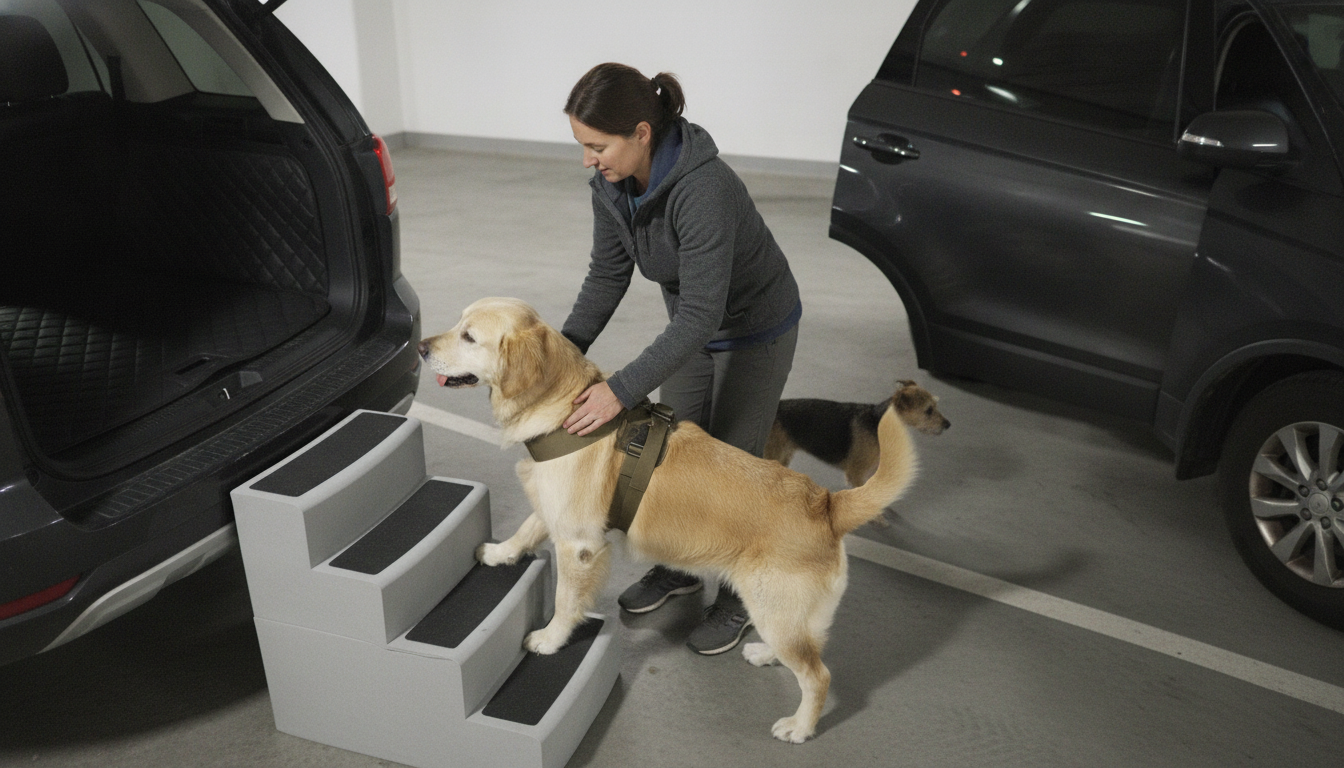
1) Pet stairs (or sturdy household steps)
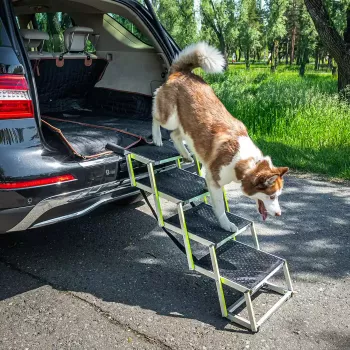
Dog stairs are one of the closest substitutes to a ramp because they offer a predictable, step-by-step climb. Choose stairs with a wide base, non-slip treads, and a height that matches your couch or bed. If you’re improvising, a stable step stool with rubber feet can work short-term, but it must not wobble and should have a grippy surface.
2) A low platform “middle step”
For dogs that can’t manage multiple stairs, a single low platform can reduce the jump into two smaller efforts. A firm ottoman, a stable storage bench, or a low wooden box can work if it won’t tip and is padded or covered with a non-slip mat for traction.
3) Folded blankets, cushions, or a foam wedge (for small height changes)
To bridge a small gap—like a minor rise to a car seat—dense cushions or a foam wedge can soften the climb. Avoid slippery fabrics and squishy piles that shift underfoot; stability matters more than softness.
4) A board with traction (DIY “mini ramp”)
A wide plank can act as a basic ramp if it’s secured and has grip. Add traction using a non-slip rug pad, outdoor stair tread tape, or carpet firmly attached. Keep the incline gentle and ensure the board can’t slide.
5) Assisted lifts (when climbing isn’t safe)
If your dog is weak, in pain, or unsteady, lifting may be safer than any substitute. Use a supportive harness or sling for larger dogs to protect your back and keep your dog level while moving them.
FAQ
Are dog stairs better than ramps?
Dog stairs can be better for pets that prefer short, defined steps and have good balance. Ramps are often easier on joints for dogs with arthritis or limited mobility, especially when the incline is gentle and the surface is slip-resistant.














Leave a comment