


Velvet Sofa Disadvantages: Care, Wear, and Stains
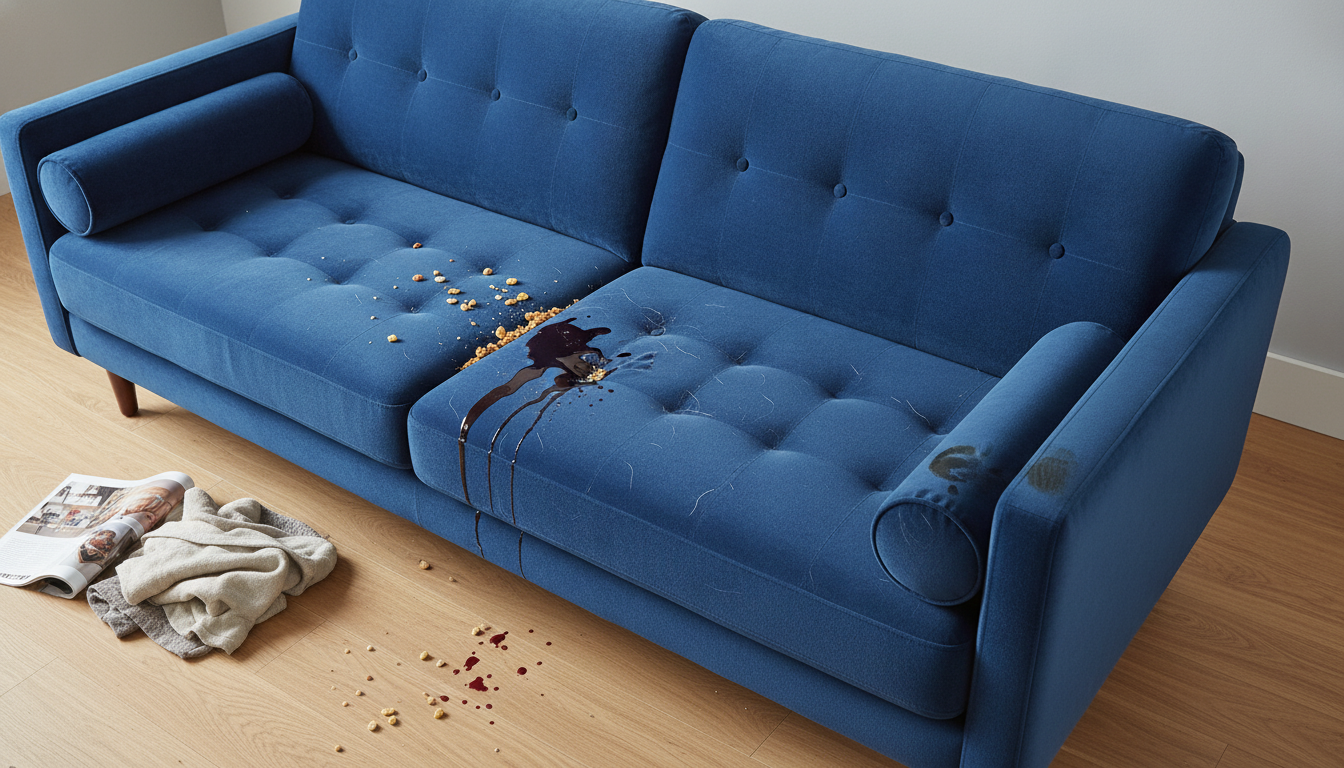
What are the disadvantages of velvet sofas?
Velvet sofas can look rich and inviting, but they come with a few practical trade-offs that matter in day-to-day living. The biggest drawbacks usually involve maintenance, durability in high-traffic homes, and how the fabric reacts to light, moisture, and friction.
They show marks, shading, and “crush” easily
Velvet’s pile changes direction when you sit or brush against it, which can leave visible nap marks, pressure spots, or darker/lighter shading. These aren’t always stains—often it’s just the fibers laying differently—but the look can feel “messy” if a perfectly uniform surface matters.
Pet hair and lint can be a constant battle
Velvet tends to attract and hold onto lint, dust, and pet hair more than many flat-woven fabrics. Frequent vacuuming with an upholstery attachment or using a lint roller may be necessary to keep it looking clean, especially in homes with shedding pets.
Some velvet stains and water spots are hard to fix
Spills can sink into the pile and become stubborn if not handled quickly and correctly. Depending on the velvet type, water can leave rings or marks, and aggressive scrubbing can flatten the fibers. For many owners, professional cleaning (or at least careful spot treatment) becomes part of the commitment.
It can wear faster in high-use areas
Seats and armrests take the most friction, and over time velvet can look worn, flattened, or shiny in those zones. Lower-quality velvet is more likely to show this quickly, while performance velvets generally handle daily use better—but usually cost more.
Color and texture can look different in various lighting
Velvet reflects light in a way that can make the same sofa look dramatically different from morning to evening. Deep colors can appear lighter or darker depending on the nap direction and lighting angle, which can be surprising in bright rooms.
For a deeper dive into fabric types, care tips, and how to choose the right velvet for your space, visit the main article on velvet sofa disadvantages.
FAQ
Is velvet a good choice for a high-traffic living room?
It can be, but it depends on the velvet. Performance velvet and higher-quality synthetic blends usually hold up better to daily use than delicate cotton velvets, which may crush and show wear faster.















Leave a comment