


Best Car Seat Cushions for Low Back Pain (Top Picks)
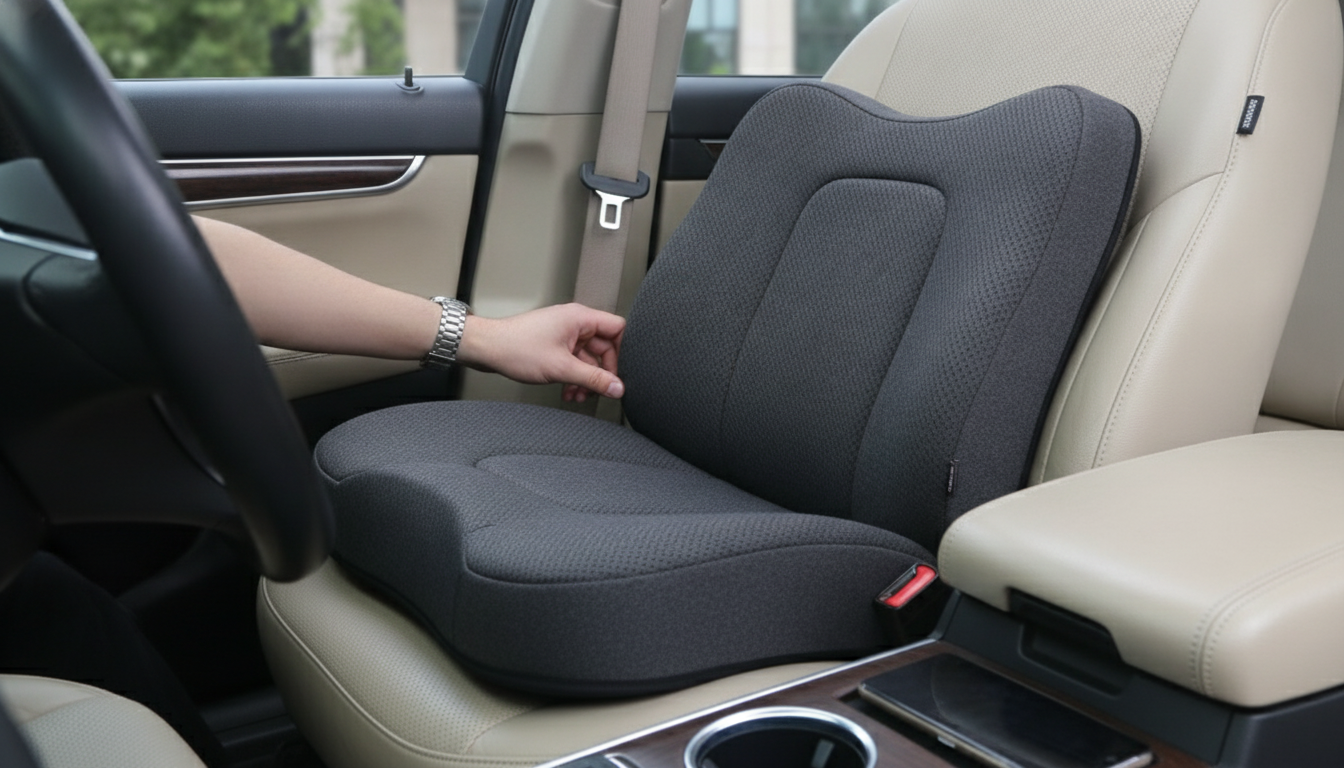
What are the best car seat cushions for low back pain?
The best car seat cushions for low back pain are the ones that keep your pelvis level, support your lumbar curve, and reduce pressure points during long drives. Most people get the most relief from a quality memory foam seat cushion paired with a separate lumbar support pillow, because the combination supports both your hips and your lower spine instead of relying on one “all-in-one” fix.
Top cushion types that tend to help the most
Memory foam seat cushions (high-density) are a go-to for low back pain because they distribute weight more evenly and help prevent slouching. Look for a firm-to-medium feel that doesn’t bottom out after 20–30 minutes.
Wedge cushions gently tilt the pelvis forward, which can reduce posterior pelvic tilt (a common driver of low back strain while sitting). They’re especially helpful if driving makes you tuck your tailbone under and round your back.
Coccyx cutout cushions (U-shaped) can ease tailbone pressure that often triggers compensations in the lower back. They’re a smart pick if pain worsens when your tailbone feels “jammed” into the seat.
Lumbar support pillows (memory foam or contoured) fill the gap between your low back and the seat. The best ones feel supportive without pushing you too far forward; adjustable straps help keep the pillow from sliding.
What to look for when buying
Prioritize high-density foam, a non-slip base, and a washable cover. Thickness matters: a cushion that’s too tall can change leg angle and make pedals awkward, while one that’s too thin may not provide meaningful relief. If you’re shorter, consider a slimmer profile to avoid lifting your hips too high.
How to set it up for better relief
Place the seat cushion so your hips sit level and your knees are roughly at hip height. Then add lumbar support so it meets the natural curve of your low back (not your mid-back). If your head is pushed forward, reduce pillow thickness or move it slightly lower.
For specific cushion styles, pros/cons, and picking tips based on symptoms, see the full guide: https://agathin.com/what-are-the-best-car-seat-cushions-for-low-back-pain/.
FAQ
Can a lumbar pillow alone fix low back pain while driving?
It can help if your main issue is lack of back support, but many drivers need a seat cushion too to prevent pelvic tilt and slouching. Using both often provides more consistent relief on longer trips.













Leave a comment