


Nightstand vs. Bedside Table: What’s the Difference?
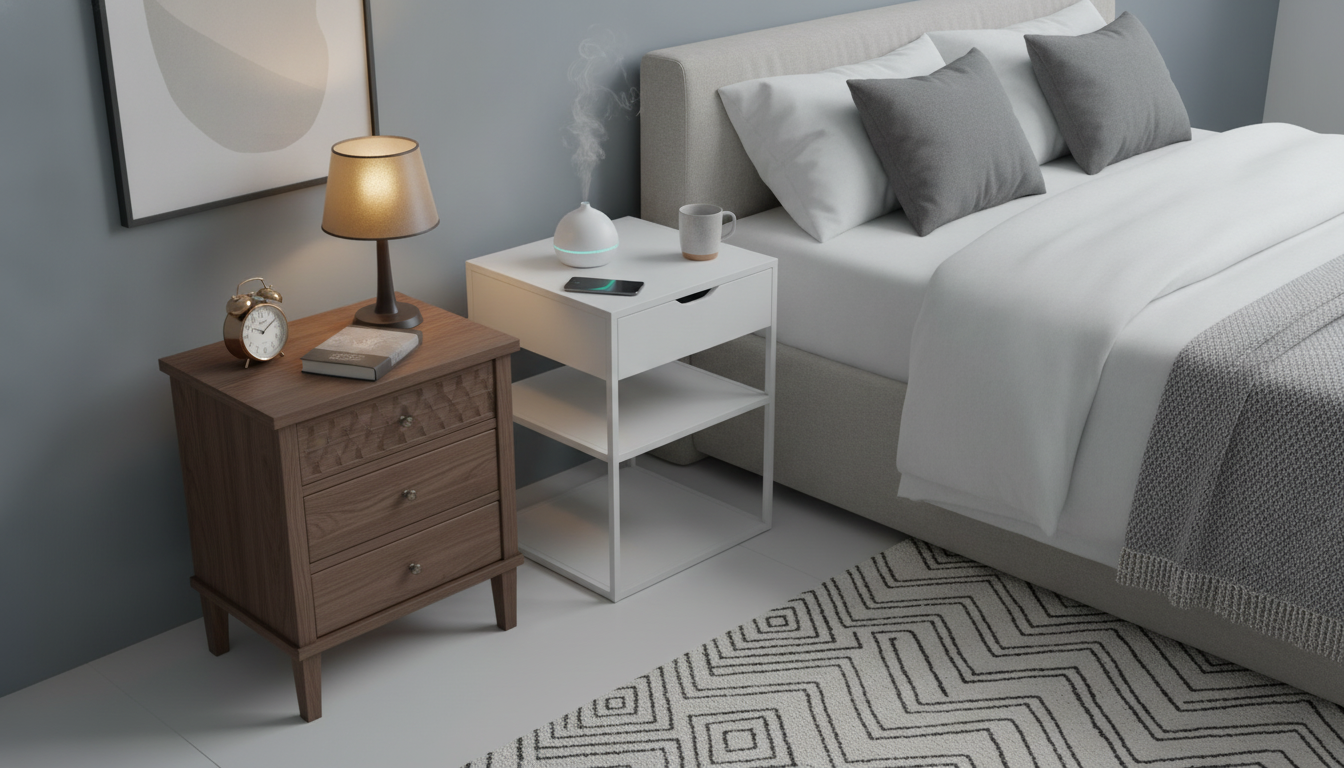
Is there a difference between a nightstand and a bedside table?
In everyday shopping and conversation, “nightstand” and “bedside table” are often used interchangeably, and many retailers label the same piece under both terms. That said, there can be a subtle difference in how people picture them: a nightstand is usually a more bedroom-specific, functional piece designed to hold nighttime essentials, while a bedside table can be any small table placed next to a bed, sometimes lighter in style and more flexible in use.
How “nightstand” is typically used
A nightstand is commonly associated with bedroom storage and convenience. Many nightstands include one or more drawers or a cabinet to tuck away items like chargers, medications, books, and personal accessories. They’re often sold as part of a matching bedroom set and sized to align with standard bed heights so a lamp, phone, and water glass are easy to reach.
How “bedside table” is typically used
“Bedside table” is a broader term. It may describe a small table with an open base, a C-table that slides under the bed, a pedestal table, or even a compact accent table repurposed for the bedroom. A bedside table may have no storage at all, focusing instead on providing a surface for a lamp, alarm clock, or décor.
What matters more than the name
When choosing between the two labels, focus on features: storage needs, footprint, height, and style. If clutter control is a priority, a drawer-equipped nightstand is usually the better fit. If the space is tight or you like a lighter look, an open bedside table (or a slim alternative) can feel less visually heavy.
For a deeper breakdown of terminology, design differences, and how to pick the right option for your bedroom layout, visit this guide on nightstands vs. bedside tables.
FAQ
What is the best height for a bedside table?
Aim for a surface that’s about level with the top of your mattress or within 1–2 inches. That height keeps items easy to grab and helps a lamp sit at a comfortable level for reading.
















Leave a comment