


Is Rattan Solid Wood? What It Is and Why It’s Not
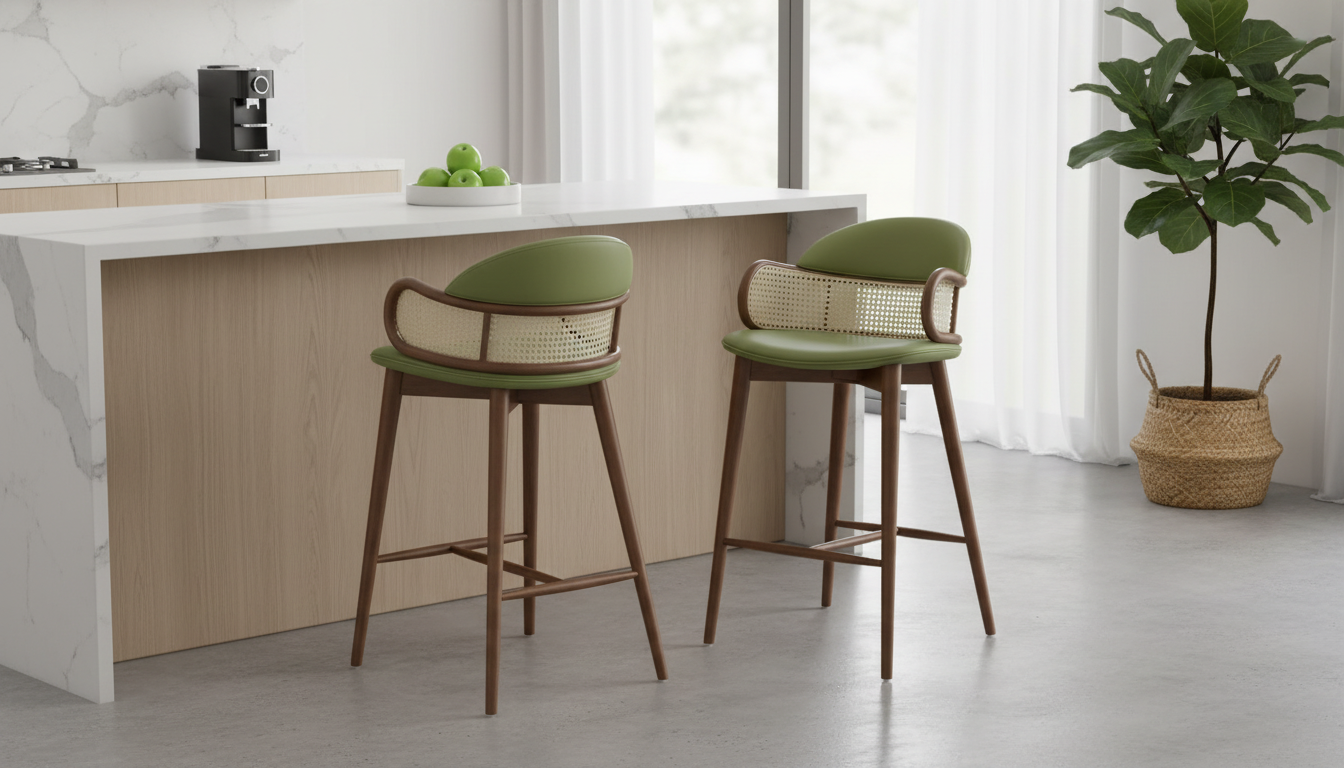
Is rattan solid wood?
No—rattan isn’t solid wood. It’s a natural vine (a type of climbing palm) that grows in long, flexible canes, most commonly in Southeast Asia. Because it’s a vine rather than timber cut from a tree trunk, rattan is categorized as a plant fiber material, not solid wood.
What rattan is made of
Rattan is harvested as slender poles and then dried, treated, and shaped. Many products use the cane structure itself (for frames, legs, and supports) or use rattan “peel” and “core” for weaving. This is why rattan furniture often has a distinctive wrapped or woven look that’s hard to replicate with typical hardwood boards.
Why rattan is often mistaken for wood
Rattan can look wood-like once it’s stained, lacquered, or painted. It can also be built into furniture with joinery that resembles wooden construction. On top of that, some pieces combine rattan with actual wood components—like hardwood base rails, plywood panels, or wood veneer surfaces—so the overall item may feel like “wood furniture” even when the primary visible material is rattan.
How rattan compares to solid wood for furniture
Solid wood refers to boards cut from a single piece of lumber (oak, teak, walnut, etc.). Rattan, by contrast, is valued for its flexibility and light weight. It can be very durable when properly constructed and used indoors or in covered outdoor spaces, but it won’t behave exactly like hardwood. Rattan is more prone to drying out or becoming brittle if exposed to harsh sun, very low humidity, or repeated soaking. Solid wood is generally heavier and can be refinished more easily, while rattan often benefits more from gentle cleaning and periodic protective care.
Getting the full breakdown
For deeper details on what rattan is, how it’s used, and what to look for when shopping, visit the main guide here: https://agathin.com/is-rattan-solid-wood/.
FAQ
Is rattan good for outdoor furniture?
Natural rattan is best in covered outdoor areas because moisture and direct sun can shorten its lifespan. For fully exposed patios, synthetic “PE rattan” is usually the more weather-resistant choice.













Leave a comment