


Get Fit at Home Without Equipment: Bodyweight Plan
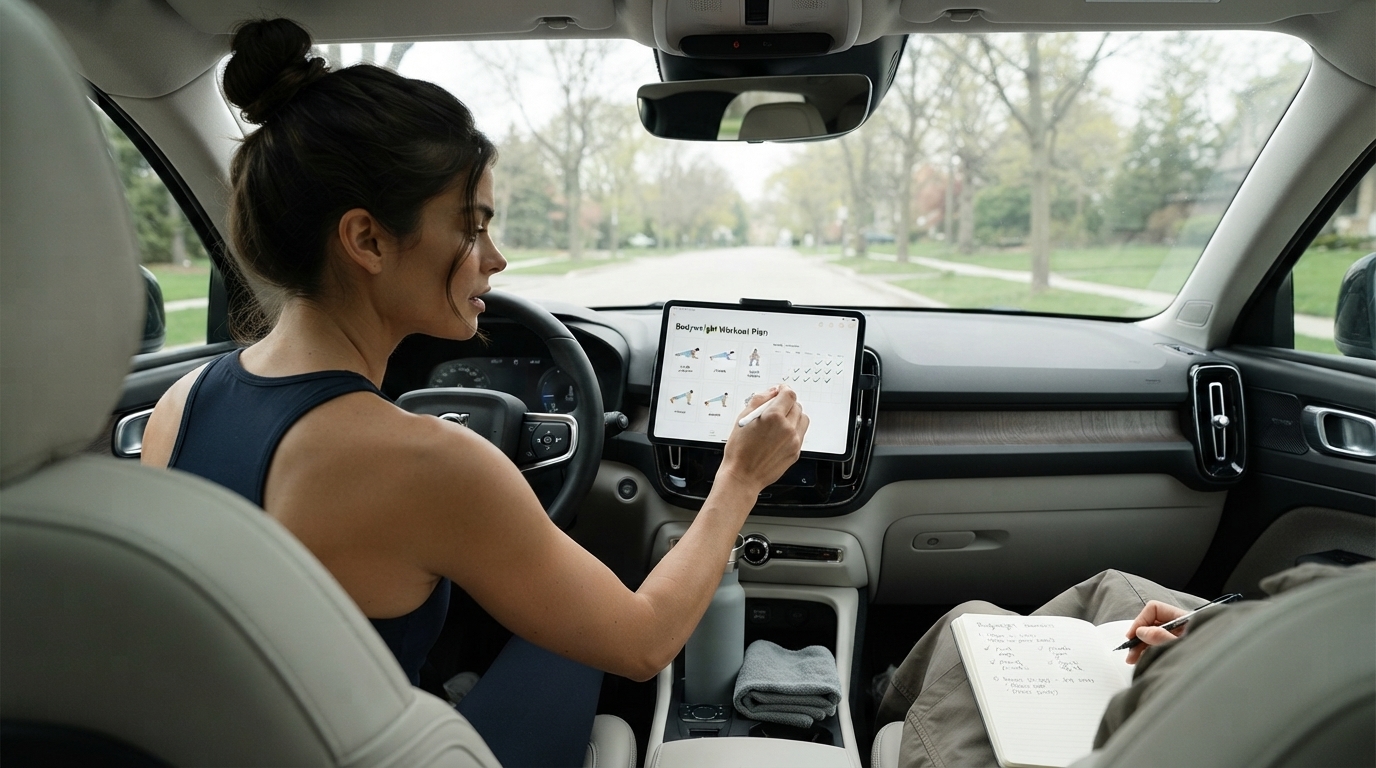
Is it possible to get fit at home without equipment?
Yes. You can build strength, improve conditioning, and increase mobility at home using bodyweight movements, smart pacing, and consistency. The key is choosing exercises that cover the major movement patterns (push, pull substitute, squat, hinge, core, and carry) and progressing them over time—without needing dumbbells, bands, or machines.
How to get fit at home with no gear
Start with a simple routine that hits your whole body 3–5 days per week, then add difficulty gradually by changing leverage, tempo, range of motion, or work time. Focus on good form first; intensity comes second.
Use effective bodyweight staples
Rotate a few foundational moves: squats or split squats for legs; glute bridges or hip hinges for posterior chain; push-ups (incline, standard, or decline) for upper body; planks, dead bugs, and side planks for core. For a “pull” substitute, use slow towel rows against a sturdy surface if available, or add extra posterior-chain and scapular work like reverse snow angels and prone Y-T-W raises.
Progress without adding equipment
To keep improving, make the same exercise harder. Try slower lowering (3–5 seconds down), pause reps, higher reps, shorter rest, unilateral versions (single-leg or one-arm variations), or longer sets (time under tension). Track something measurable—reps, seconds, or rounds—so progress is obvious.
Don’t skip conditioning and daily movement
Fitness isn’t only strength. Add brisk walking, stair intervals, shadowboxing, or short bodyweight circuits (20–30 minutes) to raise your heart rate. A few minutes of mobility work daily—hips, ankles, thoracic spine—helps you move better and recover faster.
What results to expect
With a consistent plan and supportive nutrition, many people see better stamina and strength within a few weeks, plus improvements in posture, mood, and energy. For a step-by-step approach and sample workouts, visit Agathin’s full guide on getting fit at home without equipment.
FAQ
How long should an at-home workout be to see results?
Most people do well with 20–45 minutes per session, 3–5 times per week. Consistency and progressive difficulty matter more than long workouts.















Leave a comment