


Tap Water in Evaporative Humidifiers: Safe or Not?
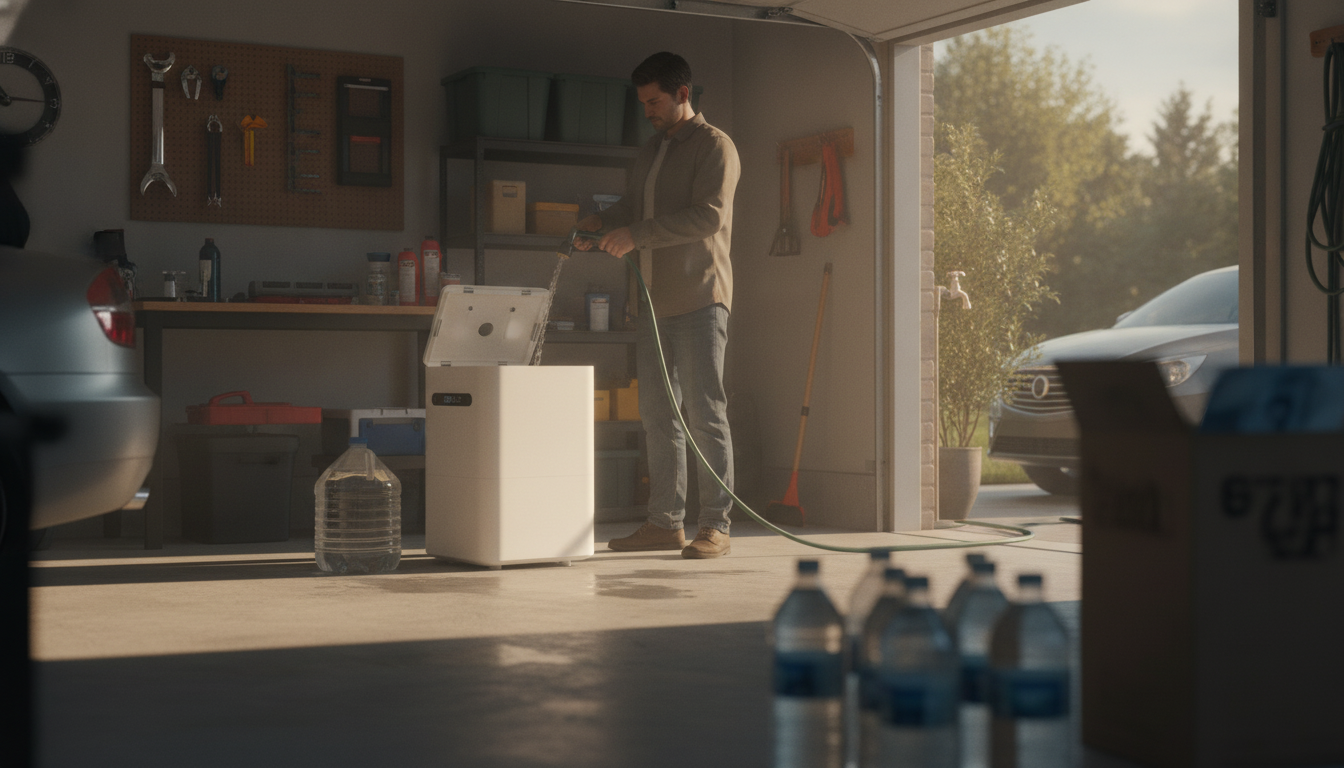
Is it okay to use tap water in an evaporative humidifier?
Yes, tap water will usually work in an evaporative humidifier, but it isn’t always the best choice. Evaporative models use a wick or filter that pulls water up and a fan that blows air through it. While this design helps keep many minerals from becoming airborne, the minerals in tap water can still build up inside the unit and on the wick, leading to faster wear, more frequent cleaning, and reduced output over time.
What happens if you use tap water?
The biggest issue is mineral content (often called “hardness”). As water evaporates, minerals don’t—so they stay behind. That residue can crust up the base, shorten the life of the wick/filter, and create odors if cleaning gets behind. Some homes may also have chlorine or other treatment byproducts that can make the humidifier smell slightly “chemical,” especially right after filling.
Is tap water safe to breathe from an evaporative humidifier?
Compared with ultrasonic humidifiers, evaporative humidifiers generally do a better job of not dispersing minerals as fine dust. Even so, a dirty tank, stagnant water, or a neglected wick can encourage microbial growth. That’s less about the water source and more about maintenance, but tap water can accelerate buildup that makes maintenance harder.
When tap water is fine vs. when to avoid it
Tap water is typically fine if it’s relatively soft, you clean the unit regularly, and you replace the wick on schedule. If you have hard water, see white scale quickly, notice reduced mist/output, or you’re constantly scrubbing mineral deposits, switching to distilled or demineralized water can make ownership much easier and help the humidifier perform more consistently.
Best practice for everyday use
Use the cleanest water that’s practical (distilled is the easiest), empty and refill with fresh water often, and follow the manufacturer’s cleaning and filter replacement schedule. For a deeper breakdown of water types and maintenance tips, see Is it okay to use tap water in an evaporative humidifier?.
FAQ
Can hard water damage a humidifier filter?
Yes. Hard water minerals can clog and crust the wick/filter, reducing evaporation, causing odors, and forcing more frequent filter replacements.














Leave a comment