


Cat Tower Benefits: Is It Good for Cats?
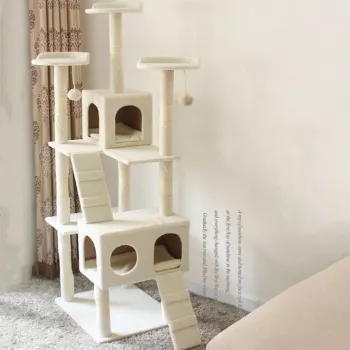
Is a cat tower good for cats?
Yes—most cats benefit from a cat tower because it supports natural behaviors like climbing, scratching, perching, and resting in elevated “safe” spots. A well-built tower can also reduce boredom and channel energy away from furniture by giving your cat a dedicated place to stretch, scratch, and observe the home.
Why cat towers tend to be a win
Cats are instinctive climbers and lookouts. Height provides security, a better view of their territory, and a comfortable retreat when the household is busy. Towers also promote daily movement: hopping between levels, balancing on platforms, and stretching up a scratching post can help keep joints and muscles engaged—especially for indoor cats that don’t get the variety of outdoor terrain.
How a tower can improve behavior at home
A sturdy tower can act as a “yes space,” making it easier to redirect unwanted scratching or counter-jumping. Place it near a window for bird-watching, or close to where your cat already likes to lounge. If you have more than one cat, a multi-level design can reduce tension by offering vertical separation, so cats can share a room without competing for the same spot.
What makes a cat tower actually good (not just tall)
Quality matters. Look for a wide, stable base, thick posts, and platforms large enough for your cat to fully curl up without hanging off the edge. If your cat is bigger-boned or long-bodied, prioritize sturdiness, roomy perches, and strong joints/hardware so the tower doesn’t wobble during climbs. Materials should be scratch-friendly (like sisal) and easy to maintain, with cushions or coverings that can be cleaned.
Choosing the right option for your cat
Match the tower to your cat’s habits: high perches for climbers, enclosed condos for shy cats, and multiple scratch zones for enthusiastic scratchers. For deeper guidance on stability, sizing, and comfort—especially if you’re shopping for a larger or heavier cat—see this guide to luxury cat towers for big cats.
FAQ
Where should I put a cat tower in my home?
Place it where your cat already spends time—often near a window, in the living room, or close to a favorite nap spot. Keep it away from wobbly furniture and give enough clearance so your cat can jump up and down safely.













Leave a comment