


Style a Two-Seater Couch: 5 Easy, Polished Tips
How to style a two-seater couch?
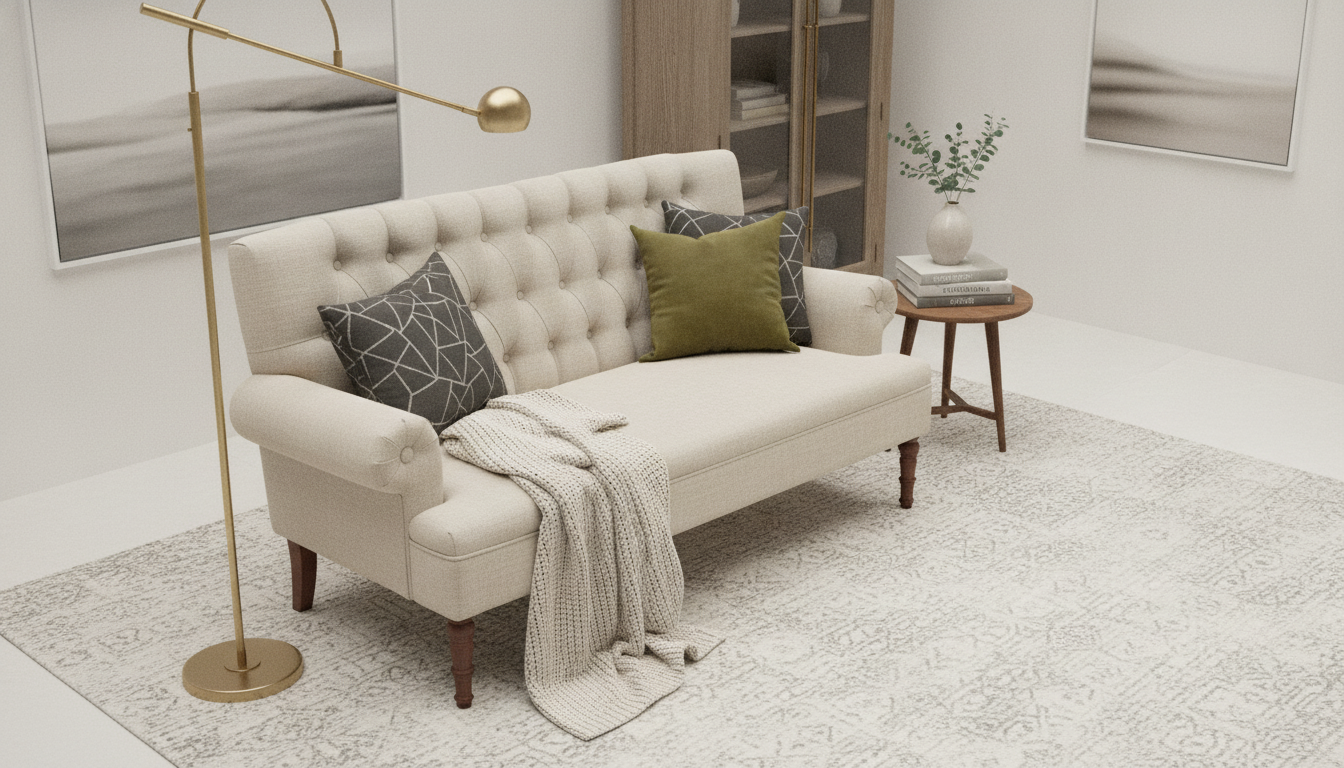
A two-seater couch (loveseat) can look polished and intentional when you treat it like the focal point of a small “zone” rather than a scaled-down sofa. Start with a simple plan: pick a color story, add layered textiles, and balance the couch with nearby pieces so it feels grounded instead of floating.
1) Anchor it with the right rug
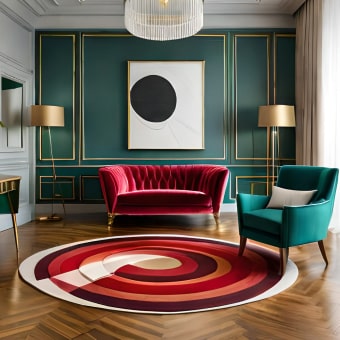
A rug instantly makes a loveseat feel substantial. Choose one large enough for the front legs of the couch (and any nearby chair) to sit on it. If the space is tight, a runner-style rug can work, but keep it wide enough to frame the couch and add contrast against the floor.
2) Build a cohesive pillow and throw mix
Use 2–4 pillows to avoid crowding the seat. A reliable formula is two larger pillows in a solid or subtle texture plus one smaller accent pillow for pattern. Finish with a throw draped over one arm or folded along the back—this adds softness and makes the couch look inviting without looking messy.
3) Add a compact coffee table or ottoman
Keep proportions in check: aim for a table about two-thirds the couch’s width. Round tables soften sharp lines and are easier to walk around in small rooms. An upholstered ottoman can double as extra seating or a footrest; add a tray on top to create a stable surface.
4) Create height and balance with lighting and art
A loveseat often sits under empty wall space. Hang one medium-to-large art piece (or a small gallery grouping) centered above the couch, leaving about 6–10 inches of breathing room. Then add a floor lamp or wall sconce to one side to give the setup vertical presence and better evening lighting.
5) Finish with one “intentional” accessory
A side table with a small stack of books, a candle, or a sculptural vase makes the arrangement feel complete. Keep surfaces edited—one to three items look curated, not cluttered.
For more layout ideas and styling examples, visit the full guide: https://agathin.com/how-to-style-a-two-seater-couch/.
FAQ
What size rug works best with a loveseat?
Choose a rug that allows at least the front legs of the loveseat to sit on it, with a few inches of rug visible on each side. In most rooms, sizing up makes the seating area look more cohesive and less cramped.









Leave a comment