


Men’s Swim Shorts Fit: Waist, Seat, Inseam & Liner Tips

How should men’s swim shorts fit for comfortable swimming and beach wear?
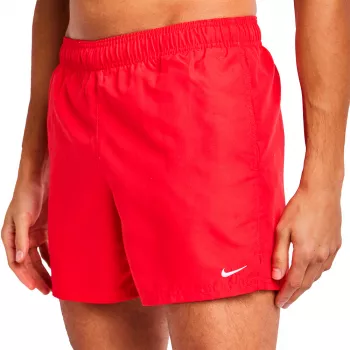
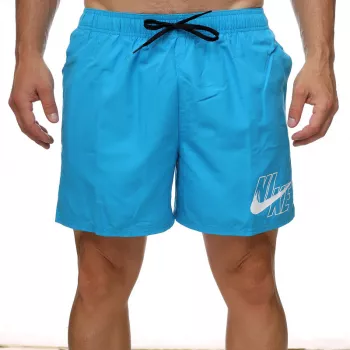
Men’s swim shorts should feel secure at the waist, allow full leg movement, and sit at a length that won’t ride up in the water or bunch when you sit. A comfortable fit usually means a waistband that stays put without digging in, a seat that isn’t saggy, and an inseam that matches how active you plan to be—swimming laps, playing beach volleyball, or lounging.
Waist fit: snug, adjustable, and no slipping
The waistband should rest comfortably on the hips or natural waist (depending on the style) and stay in place when wet. A drawstring is key: you should be able to tighten it enough to prevent sliding without feeling pressure points. If the shorts rely only on elastic and you constantly need to pull them up, they’re too big.
Seat and rise: avoid both ballooning and pinching
In the back and through the seat, aim for a clean line without excess fabric puffing out. Too much room can create drag in the water and look bulky on the beach. Too little room can cause tightness when bending or climbing stairs. You should be able to squat and step freely without the waistband rolling.
Leg opening and inseam: choose movement and coverage
For active swimming, a slightly trimmer leg and a shorter inseam (often around 5–7 inches for many builds) can feel less restrictive and reduce drag. For casual beach wear, a mid-length option (often 7–9 inches) offers more coverage and can feel more relaxed without flapping excessively. The leg opening should skim the thigh rather than clamp it.
Liner comfort: supportive, not scratchy
If there’s a mesh liner, it should sit smoothly without chafing. If the liner feels abrasive or too tight, consider sizing up or choosing a style with a softer liner or liner-free design paired with swim briefs.
For more detail on dialing in the right size and silhouette, see the full guide here: https://agathin.com/how-should-men-s-swim-shorts-fit-for-comfortable-swimming-and-beach-wear/.
FAQ
Should men size up or down in swim shorts?
Start with your true waist measurement, then use the drawstring for a secure fit. Size up if the seat or thighs feel tight or the liner pinches; size down if the waistband shifts or the shorts sag when wet.













Leave a comment