


Nike Jacket Prices: What You’ll Pay (2026 Guide)

How much is a Nike jacket?
The price of a Nike jacket can range widely depending on the style, materials, and whether it’s a seasonal release or a premium line. In general, many everyday Nike jackets land around $70–$150, while performance outerwear—like insulated, waterproof, or advanced running jackets—often runs $150–$250+. Limited drops and specialty collaborations can climb higher, especially when supply is tight.
For a more specific estimate, it helps to narrow down the type of jacket. Lightweight windbreakers and simple zip-up layers are usually on the lower end, while puffers, parkas, and technical shells tend to cost more because of added insulation, weather protection, and construction details (sealed seams, durable coatings, and specialized fabrics).
What affects the price most?
Fabric and weather protection: Water-repellent or waterproof shells, heavier insulation, and advanced textiles typically raise the price.
Fit and design details: Features like adjustable hoods, cuff closures, multiple zip pockets, and longer lengths can push a jacket into a higher tier.
New vs. discounted: Full-price items are common at launch, but older colorways and previous-season styles are frequently discounted.
How to estimate the right budget before buying
If you’re shopping for a daily layer, plan for the mid-range. If you need something for cold weather, rain, or training in variable conditions, set your budget higher to cover insulation and performance features. Also consider how you’ll wear it—over a hoodie, over a base layer, or as a standalone piece—since layering needs can steer you toward different cuts and fabric weights.
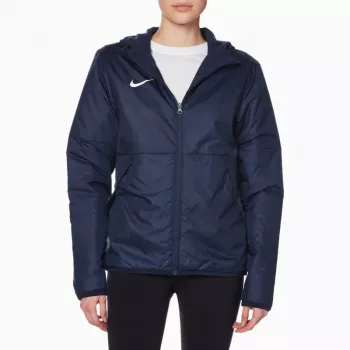
For a closer look at fit, layering, and care considerations for a Nike hooded jacket style, see this guide: https://agathin.com/guide-nike-womens-blue-hooded-jacket-fit-layering-care-guide/.
For Nike Jacket Prices: What You’ll Pay (2026 Guide), the best answer depends on fit, material, care instructions, and how the product will be used day to day.
FAQ
What’s the difference between a Nike windbreaker and a running jacket?
A windbreaker is usually a lightweight layer focused on blocking wind, while a running jacket often adds breathability features, weather resistance, and movement-friendly patterning for training.














Leave a comment