


Best CC for a Push Mower: Yard Size & Grass Guide
How many cc should a push mower have?
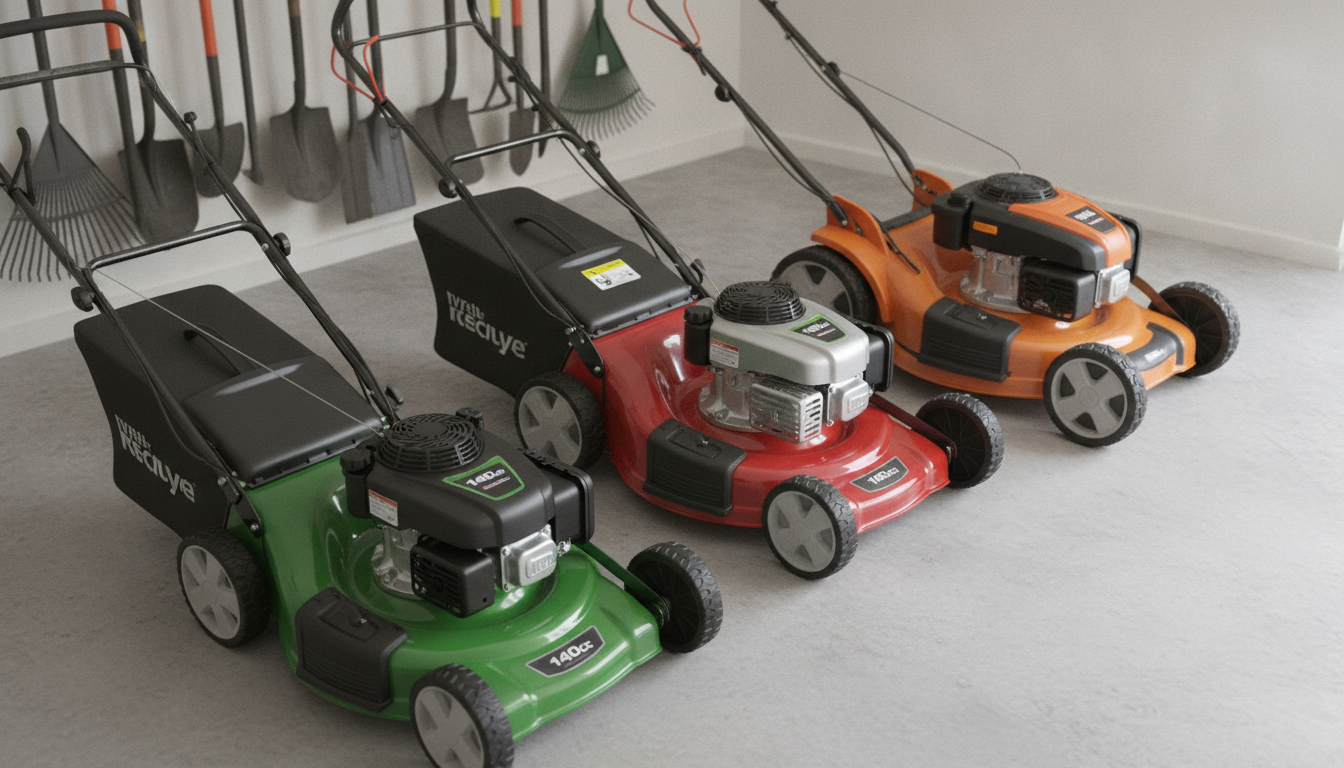
Most push mowers do their best work in the 140cc to 190cc range. The “right” engine size depends less on the number itself and more on what you mow: lawn size, grass thickness, terrain, and how often you cut.
Quick cc guidelines by yard type
Small, flat lawns (up to about 1/4 acre): 125cc–160cc is typically plenty. These engines are lighter, easier to maneuver, and generally have enough power for regular weekly mowing.
Medium lawns (about 1/4 to 1/2 acre): 160cc–190cc is a common sweet spot. It offers more torque for slightly taller grass, occasional missed weeks, and mild slopes without feeling bulky.
Thick grass, uneven ground, or frequent mulching: 170cc–200cc helps prevent bogging down. If you mulch often or cut during fast growth seasons, extra displacement can keep blade speed steadier.
When more cc matters (and when it doesn’t)
Higher cc can mean better torque under load—useful when grass is wet, tall, or dense. That said, mower performance also depends on blade design, deck shape, air filter condition, and sharpness. A sharp blade and clean deck can make a mid-cc mower cut like a stronger one, while a dull blade can make any engine struggle.
Self-propelled vs. push: cc needs can differ
If the mower is self-propelled, part of the engine’s output supports drive assistance, so many shoppers prefer the upper end of the range (often 170cc+), especially on hills. For a true push mower on flat ground, a lighter 140cc–160cc model can feel more nimble and still cut cleanly.
Pick the best fit for your routine
If mowing is a weekly habit and your lawn isn’t a jungle, mid-range cc is usually the best balance of power, weight, and handling. If you often tackle overgrowth, mulch heavily, or deal with slopes, stepping up in cc can make each pass smoother.
For more detailed guidance and examples, see the full breakdown here: https://agathin.com/how-many-cc-should-a-push-mower-have/.
FAQ
What’s the difference between cc and horsepower on a lawn mower?
CC measures engine displacement (size), while horsepower is an output rating that can vary by engine design and how it’s measured. In practice, cc is often an easier, more consistent way to compare push mowers within the same class.














Leave a comment