


Clean White Upholstery Without Water Stains: 6 Steps
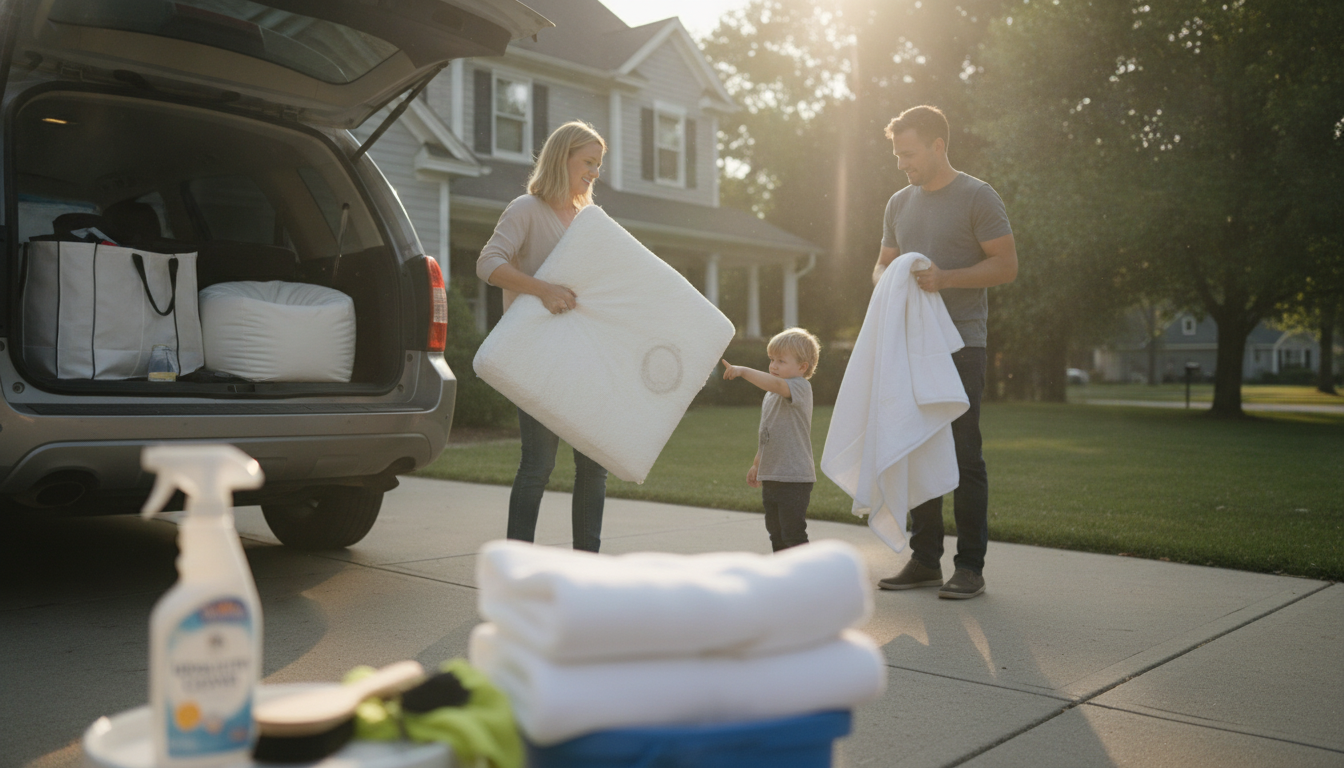
How do you clean white upholstered furniture without causing water stains?
Water stains on white upholstery usually happen when the fabric gets unevenly wet and dries in patches. The safest approach is to clean with as little moisture as possible, work in small sections, and “feather” the damp area outward so there isn’t a hard edge where water can dry darker.
1) Start with a dry clean
Vacuum thoroughly using an upholstery attachment, getting into seams and along piping. If you skip this step, loose dust can turn into muddy streaks once moisture hits it.
2) Check the care code and spot-test first
Look for the tag under cushions or along the frame: W (water-based), S (solvent), WS (either), or X (vacuum only). Whatever method you choose, test in a hidden spot and let it dry fully to confirm it won’t yellow or ring.
3) Use a low-moisture, even application
For W or WS fabrics, lightly mist a clean white cloth (not the sofa) with distilled water mixed with a tiny amount of gentle upholstery-safe cleaner. Blot from the outside of the spot toward the center, then keep blotting in a slightly wider area to blend moisture evenly. Avoid soaking; the goal is controlled dampness, not a wet cushion.
4) Blot, don’t rub
Rubbing can rough up fibers and make the cleaned area look brighter or fuzzier than the surrounding fabric, which reads like a stain on white pieces. Use firm, repeated blotting with a fresh section of cloth as it picks up soil.
5) Rinse lightly and remove excess moisture
If the fabric allows water, follow with a second cloth lightly dampened with distilled water only to lift any cleaner residue (residue can attract dirt and cause dull patches). Immediately press with a dry towel to pull out moisture.
6) Dry fast and evenly
Speed-dry the entire blended area with a fan or cool hair dryer held at a distance. Keep cushions upright if possible so airflow reaches both sides. Fast, uniform drying is one of the best defenses against rings and tide marks.
For more detail on preventing rings, choosing the right method for your care code, and step-by-step stain tactics, visit this complete guide to cleaning upholstered furniture without causing water stains.
FAQ
What should you do if a water ring already formed on upholstery?
Lightly dampen and blend a wider area around the ring with distilled water, then blot well and dry quickly with strong airflow. The goal is to eliminate the hard “edge” by making moisture and drying more uniform across the section.
















Leave a comment