


Indoor Cat Stimulation: Signs, Needs, and Easy Fixes
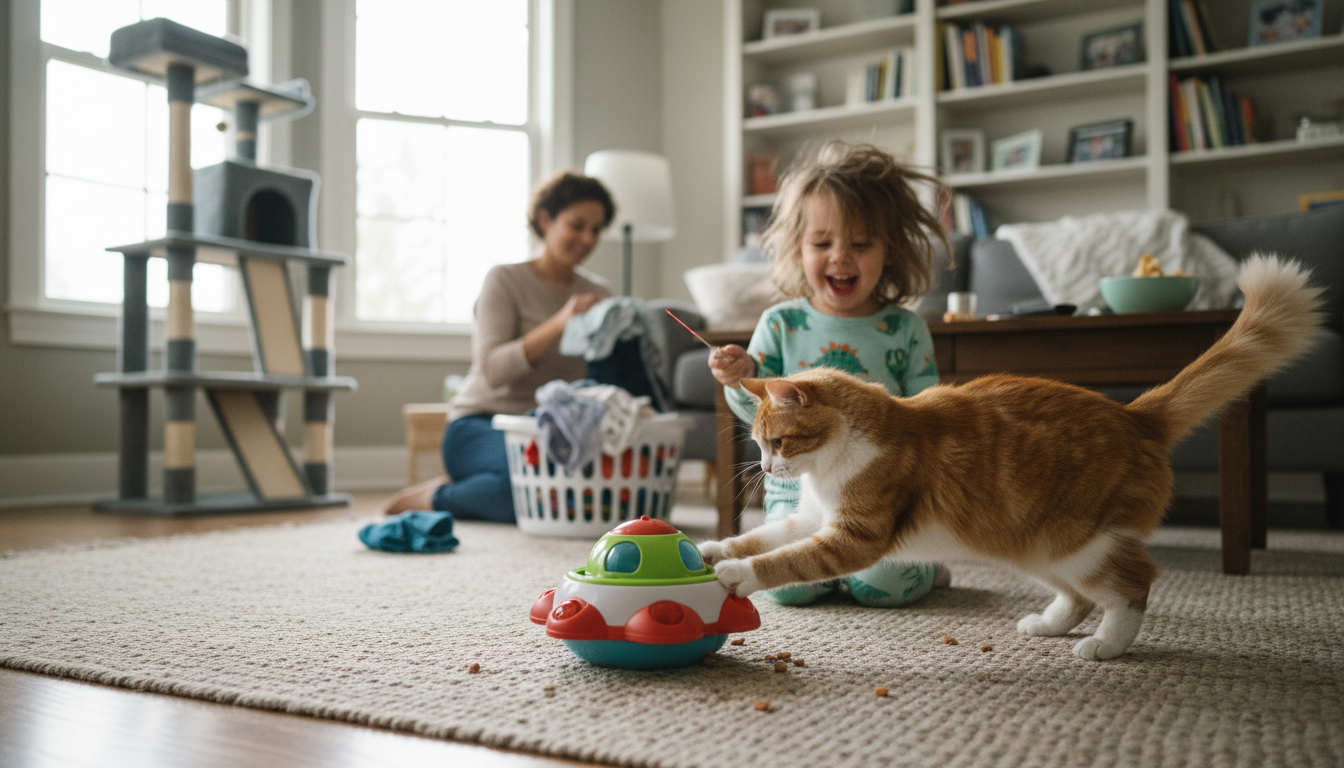
Do indoor cats get enough stimulation?
Indoor cats can get enough stimulation, but it doesn’t happen automatically. Without fresh experiences, many house cats drift into long naps, repetitive behaviors, or “zoomies” that look like energy bursts but can also signal boredom. The good news is that a few intentional changes—spread throughout the day—can meet a cat’s needs for hunting, climbing, scratching, exploring, and social interaction.
For a deeper guide with practical ideas, visit Do indoor cats get enough stimulation?.
What stimulation do indoor cats need most?
Most indoor cats thrive when they can practice natural behaviors in safe ways: stalking and pouncing, climbing to “survey” their territory, scratching to mark and stretch, and sniffing or investigating new items. Food puzzles or small “hunt” feedings also provide mental work that a single bowl meal doesn’t. If stimulation is balanced, a cat is more likely to play, eat, and rest on a predictable rhythm.
How can you tell if an indoor cat is bored?
Common signs include overgrooming, waking you at night, excessive meowing, attention-demanding behavior, chewing non-food items, or ambushing ankles. Some cats pace, scratch furniture more intensely, or seem “restless” even after eating. These behaviors can have medical causes too, so a sudden change in habits should be discussed with a veterinarian.
How do you add stimulation without turning your home upside down?
Rotate a few toys instead of leaving everything out, and schedule two short play sessions (5–10 minutes) using a wand toy to mimic prey. Add vertical options like a cat tree, window perch, or sturdy shelves so your cat can climb and lounge. Create simple enrichment “stations”: a scratcher near favorite routes, a puzzle feeder a few times a week, and a paper bag or box to explore (handles removed).
Does a second cat solve the stimulation problem?
Sometimes, but not always. A compatible companion can provide play and social enrichment, yet mismatched personalities can increase stress. If adding a second cat is an option, a slow introduction and separate resources (litter boxes, bowls, resting spots) help prevent conflict and keep both cats comfortable.
FAQ
What are good toys for indoor cats?
Interactive wand toys, small kickers, and treat puzzles tend to work well because they encourage stalking, chasing, and problem-solving. Rotating a few favorites every few days keeps them interesting and reduces “toy fatigue.”












Leave a comment