


Litter Box in a Cabinet: Setup, Ventilation & Cleaning
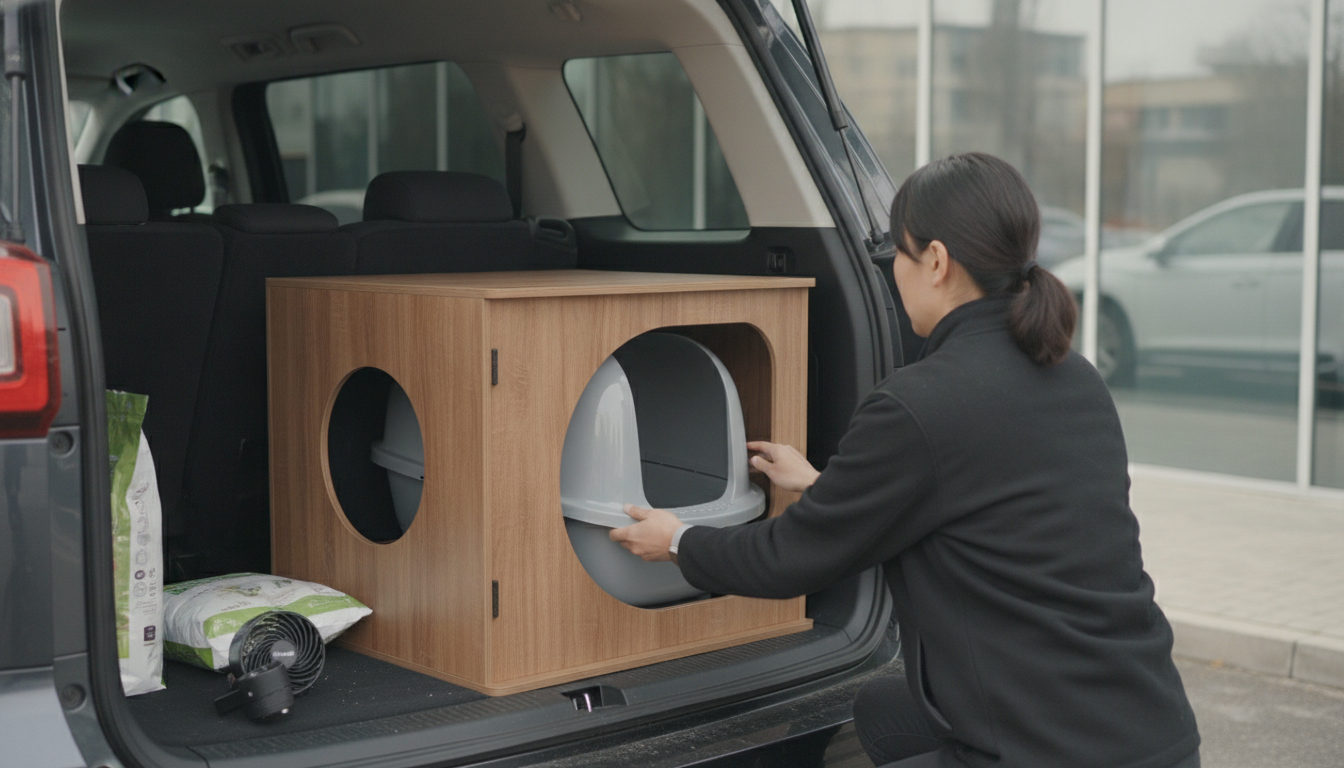
Can I put a litter box in a cabinet?
Yes—putting a litter box in a cabinet is a practical way to hide the box, cut down on scattered litter, and give your cat a more private bathroom area. The key is setting up the cabinet so it stays ventilated, easy to clean, and comfortable for your cat to enter and turn around without feeling trapped.
What makes a cabinet setup work (and what doesn’t)
A cabinet works best when it has enough interior space for the box plus extra clearance, a smooth waterproof base, and an entry opening that’s sized for your cat. If the interior is too tight, cats may avoid it or pee outside the box. If airflow is poor, odors build quickly and the cabinet can feel stuffy, which also discourages use.
Ventilation and odor control
Ventilation is the make-or-break feature. Choose a cabinet with a rear gap, louvered panel, or room to add discreet vents so air can circulate. Pair that with a clumping litter, frequent scooping, and a washable mat to reduce tracked litter. Avoid sealing the cabinet completely; “airtight” usually means “stinky” once the door closes.
Cleaning access matters more than looks
Pick a cabinet that allows you to slide the box out easily, not one that forces awkward lifting and spilling. A wide door opening, removable divider, or pull-out tray makes daily scooping faster—so it actually gets done. Add a liner or waterproof tray under the box to protect the cabinet floor from urine leaks and messy cleanups.
Cabinet alternatives that do more
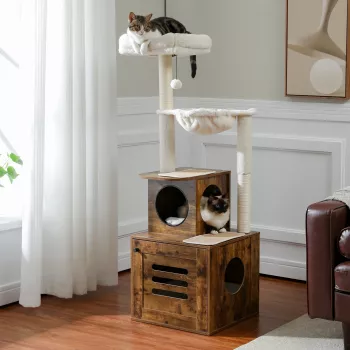
If you want a hidden litter setup that also looks like real furniture (and can include cat-friendly extras), consider purpose-built enclosures. For ideas that combine concealment with cat-focused design, see this guide to wood cat tree towers with hidden litter box compartments and scratching posts.
FAQ
How do you ventilate a hidden litter box enclosure?
Use a cabinet with built-in gaps or louvers, or add vents to a side or back panel so air can move through. Keep the entry clear, scoop daily, and avoid fully sealing the enclosure.














Leave a comment