


Wall Sconces Are Back: Trendy Styles & Placement Tips
Are wall sconces back in style?
Yes—wall sconces are firmly back in style, and they’re showing up in everything from new-build homes to vintage-inspired renovations. The reason is simple: they do more than look good. Sconces add layered lighting, free up surface space on nightstands and consoles, and create a polished, intentional feel that overhead lighting alone can’t match.
Why wall sconces feel current again
Today’s interiors lean toward warmth, texture, and thoughtful details. Wall sconces check all three boxes. Designers are using them to frame beds, highlight artwork, brighten dark hallways, and soften living rooms with ambient light. They also fit the growing preference for “built-in” looking lighting—fixtures that feel integrated with the architecture rather than placed as an afterthought.
Styles that are trending now
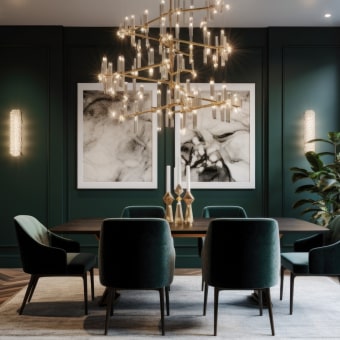
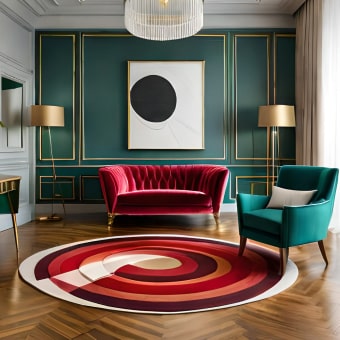
Several looks are driving the comeback. Slim, minimal sconces in matte black or brushed brass suit modern spaces. Softly curved glass shades and ribbed or fluted details pair well with transitional rooms. Vintage and Art Deco-inspired silhouettes are popular for adding character, while plug-in swing-arm sconces are a favorite for renters or anyone who wants flexibility without hardwiring.
Where sconces make the biggest impact
Bedrooms are a top spot—installing sconces on either side of the bed opens up nightstand space and makes reading more comfortable. In hallways, a row of sconces can turn an overlooked pass-through into a design moment. In bathrooms, sconces on both sides of the mirror often create more flattering, even light than an overhead bar.
How to choose sconces that won’t feel dated
Focus on proportion, finish, and function. A sconce should be sized to the wall area and furniture beneath it, and the finish should coordinate with nearby hardware (it doesn’t have to match perfectly). If the light is for tasks like reading or grooming, pick a shade and bulb that provide enough brightness and control glare. For a deeper dive into styles and placement ideas, see the full guide here: https://agathin.com/are-wall-sconces-back-in-style/.
FAQ
What is the best height to hang wall sconces?
Many sconces look best with the fixture center around 60–66 inches from the floor, adjusted for ceiling height and sightlines. For bedside reading, position them so the light lands comfortably on the page without shining directly into your eyes.









Leave a comment