


Floating TV Stands: Pros, Cons, and Setup Tips
Are floating TV stands a good idea?
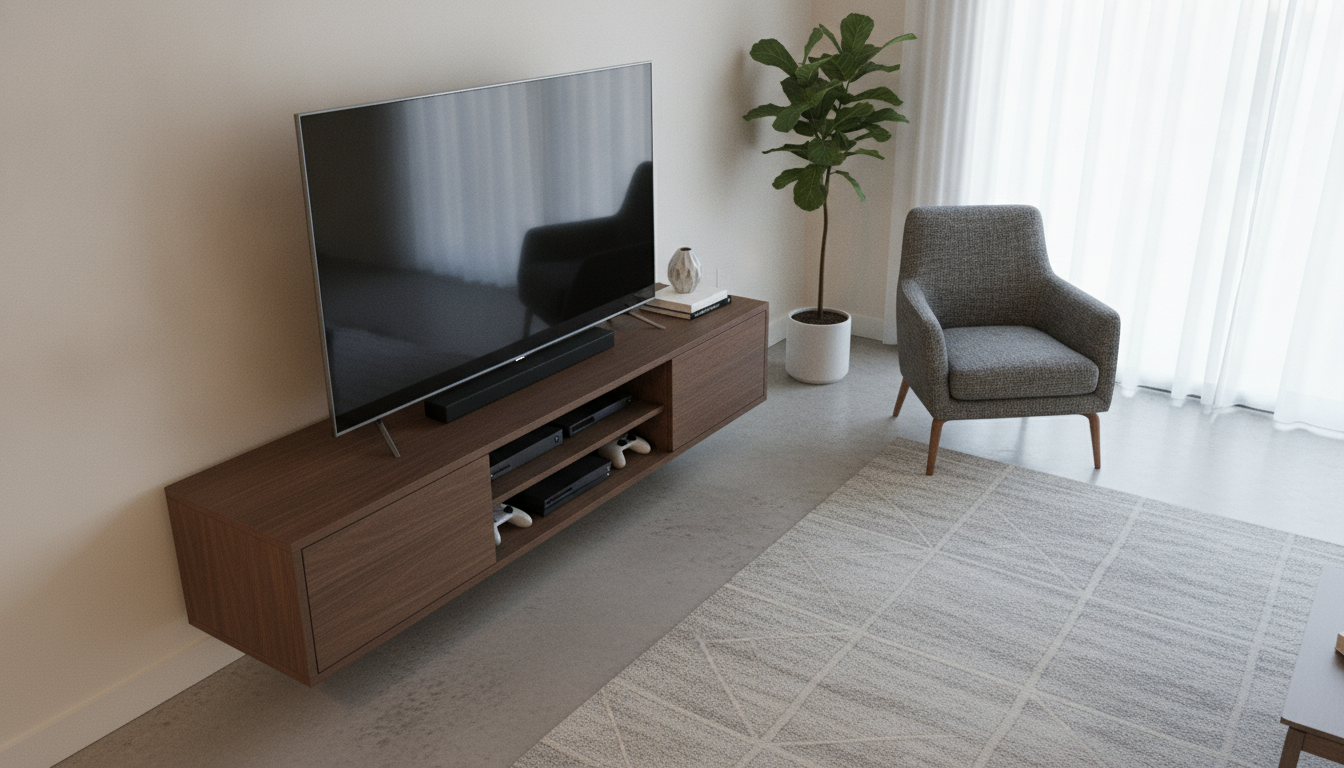
Floating TV stands can be a great idea when the goal is a cleaner look, easier floor cleaning, and a more intentional layout—especially in smaller living rooms. By mounting the console on the wall, the space under the TV feels lighter and less crowded, which pairs well with Scandinavian and retro-leaning interiors where simple lines and visual calm matter.
Answer
Yes—floating TV stands are often a good idea, as long as the wall and installation can safely handle the load and the storage needs match the design. A wall-mounted unit frees up floor space, makes vacuuming and mopping simpler, and helps center attention on the screen rather than a bulky piece of furniture. It can also visually “lift” a room with low ceilings or tight square footage.
The biggest advantages are the streamlined profile and the ability to customize height. Mounting the stand at the right level can improve viewing comfort and keep devices tucked away while leaving enough breathing room around the TV. Many floating styles include concealed compartments that keep remotes, game controllers, and media boxes from taking over the room.
Potential downsides come down to planning. A floating unit needs secure anchoring into studs or properly rated wall anchors, and heavier solid-wood options require extra care. Cable management also matters: without a plan for routing power and HDMI cords, the “floating” effect gets ruined quickly. Another consideration is storage volume—if the household relies on large receivers, multiple consoles, or lots of physical media, a compact floating cabinet may feel limiting.
If the look is appealing but storage is non-negotiable, consider a wall-mounted console with a slightly deeper body or a mix of closed cabinets and open bays. For more ideas on styling and choosing a smart storage layout—especially if you like Scandi or retro wood finishes—see this guide to Scandi retro wooden TV stands with smart storage.
FAQ
How high should a floating TV stand be mounted?
A common approach is to mount it so the top surface sits a few inches below the TV (or just below a soundbar), while keeping the cabinet high enough to comfortably access storage. Aim for a height that maintains a natural viewing angle and leaves space for baseboards and cord routing.















Leave a comment