


Do Evaporative Humidifiers Work? How They Perform
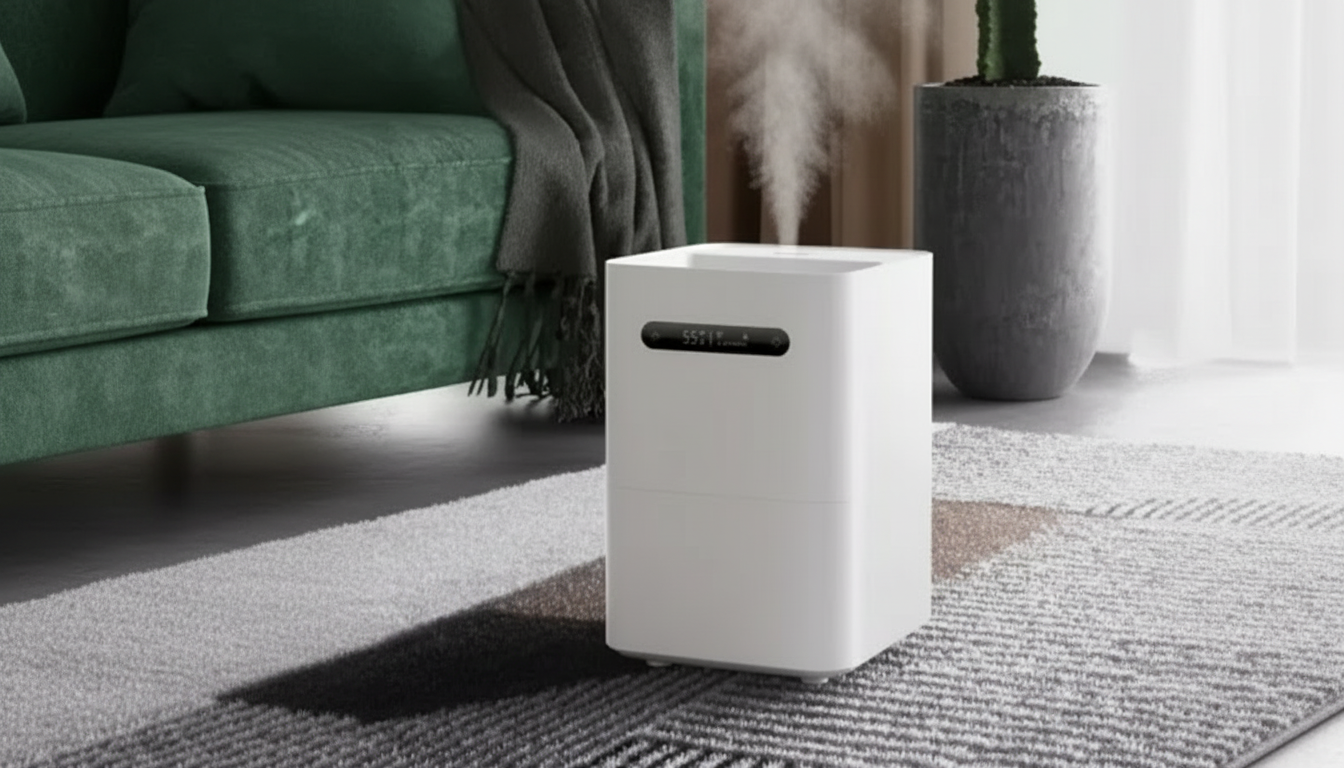
Do evaporative humidifiers really work?
Yes—evaporative humidifiers really work, and the reason is simple: they add moisture to dry air through natural evaporation. A fan pulls air through a wet wick or filter, and the air picks up water vapor before it leaves the unit. Because evaporation slows as humidity rises, many evaporative models naturally “self-regulate,” making it harder to accidentally over-humidify a room compared with some other humidifier types.
What “working” looks like in real use
An evaporative humidifier is doing its job when indoor air feels less dry and you see measurable changes on a hygrometer. Many homes aim for about 30–50% relative humidity for comfort. If you start in very dry conditions (common in winter with heating), you’ll often notice improvements like less static, fewer dry-throat mornings, and reduced skin tightness once the unit runs consistently.
What affects performance
Evaporative humidifiers are most effective when the unit is sized appropriately for the room, the fan speed matches the need, and the wick/filter is clean. If the wick is mineral-crusted or overdue for replacement, evaporation drops and the humidifier can feel weak. Open floor plans, leaky windows, and strong HVAC airflow can also dilute humidity gains, especially if the device is underpowered for the space.
Are they “better” than other types?
They’re a strong choice for many households because they’re generally low-mist, steady, and less prone to pushing humidity too high. They also tend to produce less visible “white dust” than ultrasonic units when used with typical tap water, since minerals stay behind in the wick. The tradeoff is routine wick care and occasional replacement.
For a deeper look at features, maintenance, and what to expect from a modern model, see the full guide here: https://agathin.com/guide-4l-app-control-evaporative-humidifier-smarter-comfort/.
FAQ
How often do you need to replace the wick or filter in an evaporative humidifier?
Many wicks last about 1–3 months with regular use, but hard water and heavy runtime can shorten that. Replace it sooner if it smells musty, looks stiff or crusted, or humidity output drops even after cleaning the tank.














Leave a comment