


Best Evaporative Humidifier Brands: What to Look For
Who makes the best evaporative humidifier?
There isn’t one single maker that’s “best” for everyone—because the best evaporative humidifier depends on what you value most: hands-off maintenance, precise humidity control, quiet operation, large-room coverage, or smart features. The strongest brands in this category tend to share a few traits: a true wick-based evaporative design (to reduce white dust), reliable sensors and fan control (to avoid over-humidifying), and easy-to-clean water paths (to keep upkeep manageable).
What separates the top makers from the rest
Consistent output with stable humidity control is the big differentiator. Evaporative units naturally self-regulate compared to many misting humidifiers, but the best makers pair that advantage with accurate humidistats and multiple fan speeds so the room doesn’t swing between “too dry” and “clammy.”
Maintenance-friendly design matters just as much. A great evaporative humidifier is built to be cleaned quickly and to make wick replacement straightforward. Makers that design for easy access, fewer tight corners, and clear refill routines generally earn better long-term satisfaction.
Features that make a “best” pick for modern homes
For many shoppers, the “best” maker is the one offering a combination of large capacity, quiet operation, and smart control. App scheduling, humidity targets, and reminders can turn a daily chore into a set-and-forget routine—especially in bedrooms, nurseries, or offices where comfort needs to stay consistent overnight.
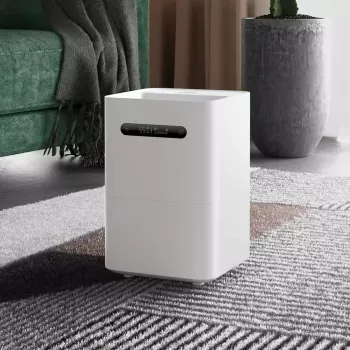
If smart control and bigger capacity are priorities, see this deeper guide to an app-enabled evaporative model: https://agathin.com/guide-4l-app-control-evaporative-humidifier-smarter-comfort/.
How to choose the best maker for your space
Start with room size and run time. Larger rooms and overnight use typically benefit from bigger tanks and efficient fan tuning. Next, consider noise: the best makers publish clear fan-level behavior (low for sleep, higher for fast recovery). Finally, factor in ongoing cost—replacement wicks and how frequently they need swapping can be the difference between a great purchase and a frustrating one.
FAQ
Do evaporative humidifiers leave white dust?
Usually no. Because evaporative humidifiers use a wick and fan to release moisture, most minerals stay behind in the wick or tank instead of becoming airborne dust.












Leave a comment