


Eagle Oil Lamp Explained: Meaning, Design & Uses
What is an Eagle oil lamp?
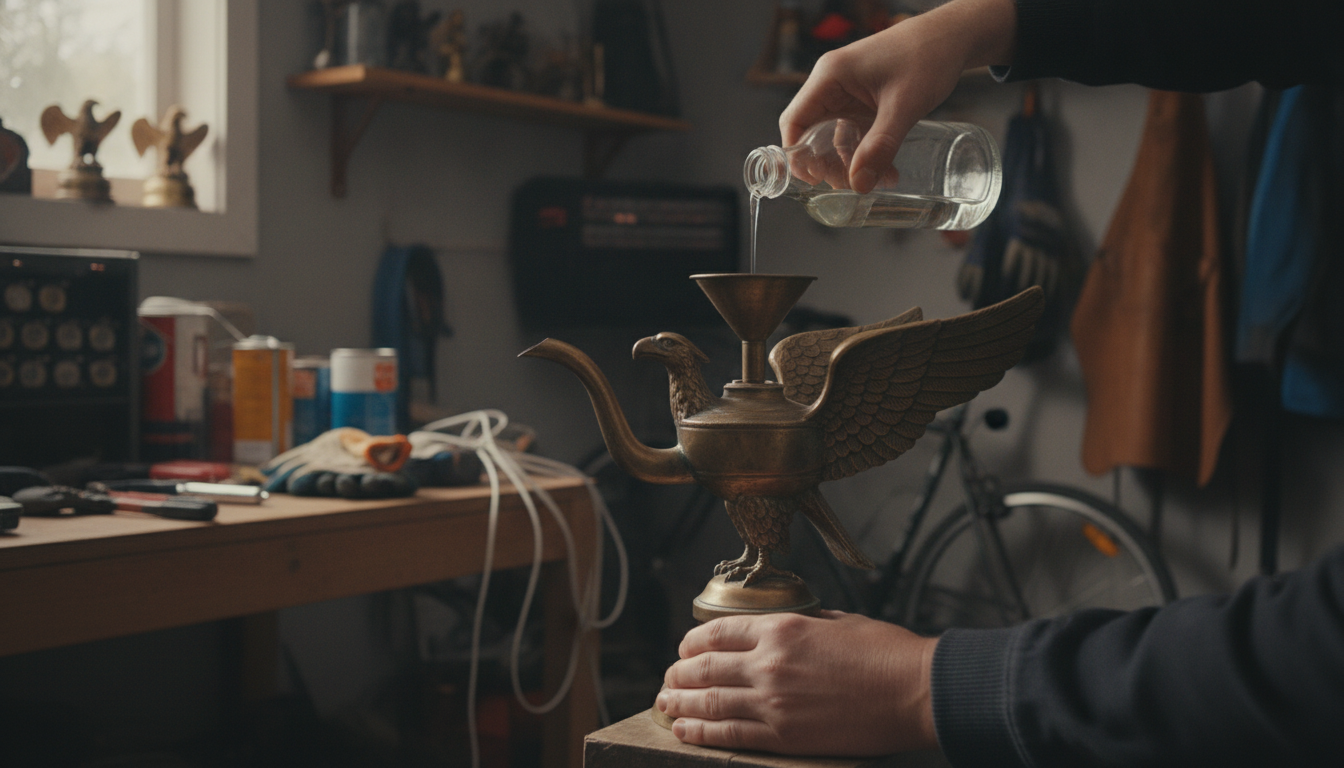
An Eagle oil lamp is a decorative lamp that uses oil—most often lamp oil or, in older examples, whale or vegetable-based oils—as fuel, with an eagle motif as the defining design feature. The eagle may appear as a sculpted body supporting the reservoir, perched on a base, or spread-winged across the backplate of a wall-mounted form. Historically, eagle imagery has signaled strength, victory, and national identity, so these lamps often served as statement pieces as much as practical lighting.
Traditional oil lamps work by drawing fuel up through a wick. The wick is lit to produce a steady flame, and a chimney (typically glass) may be used to stabilize the flame and improve airflow. In an “eagle” version, the functional components—reservoir, burner, wick adjuster, and sometimes chimney—are integrated into a form that foregrounds the bird silhouette, feathers, talons, or a crest-like profile.
Many antique Eagle oil lamps date to the 19th and early 20th centuries and can be found in cast brass, bronze, or other metals, sometimes with ornate bases and detailed engraving. Modern interpretations often keep the same emblematic look but translate it into new formats, such as sculptural wall sconces or statement lamps that echo classic symbolism while fitting contemporary interiors.
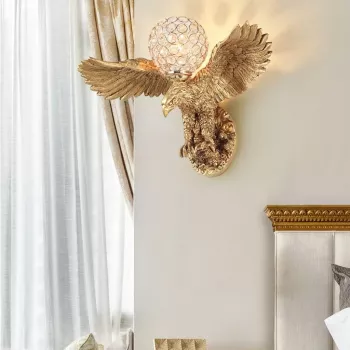
If you’re drawn to the eagle look but prefer a cleaner, modern finish, a wall-mounted interpretation can deliver the same bold presence without the upkeep of an open flame. For a contemporary take on the eagle silhouette and how it works as a sculptural lighting statement, see the guide here: https://agathin.com/guide-modern-eagle-wall-lamp-gold-sculptural-statement/.
When shopping or styling, “Eagle oil lamp” may describe an authentic functional oil lamp, a vintage-inspired reproduction, or a purely decorative piece referencing the historic form. Checking for a real burner assembly, wick mechanism, and reservoir helps confirm whether it’s meant to be lit.
FAQ
How do you safely use an oil lamp indoors?
Use only approved lamp oil, keep the wick trimmed, and place the lamp on a stable, heat-safe surface away from drafts and flammables. Never leave it unattended, and let it cool completely before refilling or moving.











Leave a comment