


Best Items for a Multi-Drawer Organizer Cabinet
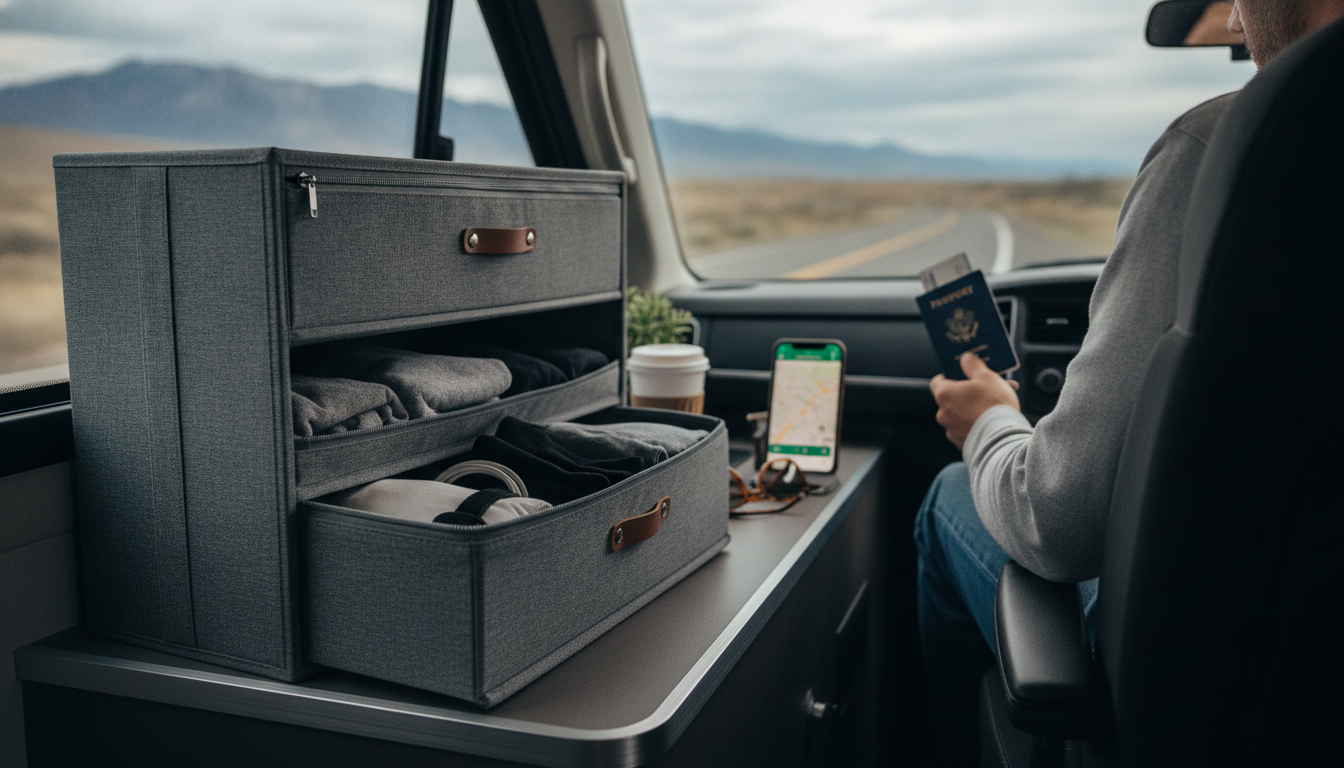
What items are best stored in a multi-drawer organizer cabinet for home organization?
Multi-drawer organizer cabinets work best for small, frequently used items that tend to disappear into junk drawers. The sweet spot is anything you want sorted by category and easy to grab at a glance—without needing bulky bins or stacking boxes.
Office and paper supplies
Use separate drawers for pens, highlighters, sticky notes, paper clips, staples, labels, USB drives, and postage supplies. A shallow drawer is ideal for envelopes and stamps, while a deeper drawer can hold notepads, printer paper reams (if the cabinet allows), or mailing accessories.
Craft and hobby essentials
Organizer drawers shine for beads, thread, needles, glue sticks, paint markers, washi tape, crochet hooks, and small fabric notions. Sorting by project type or color keeps creative supplies accessible and prevents buying duplicates.
Hardware and basic tools
Dedicate drawers to screws, nails, wall anchors, picture hooks, command strips, batteries, and small hand tools like hex keys and tape measures. Labeling each drawer makes quick repairs smoother, especially when parts are separated by size or type.
Beauty, grooming, and wellness items
Store hair ties, bobby pins, cotton swabs, nail tools, travel-size toiletries, bandages, and first-aid basics. This setup is especially helpful in shared bathrooms where small items can clutter countertops.
Kitchen and pantry “smalls”
In a pantry or utility area, use drawers for tea bags, sweetener packets, chip clips, small spice refills, birthday candles, and lunchbox accessories. Keep food-adjacent items sealed and separated from non-food categories.
Kids’ and everyday household extras
Great candidates include crayons, sticker sheets, tiny toy pieces, batteries for toys, spare keys, tape, and lightbulbs. Grouping these in one cabinet creates a go-to “home base” for daily odds and ends.
For more detailed ideas and room-by-room examples, visit the full guide on multi-drawer organizer cabinet storage.
FAQ
How do I label and group items in a multi-drawer organizer so it stays organized?
Group items by task (mailing, first aid, repairs) and then by size within each task. Use clear, consistent labels on the drawer front and reserve one “buffer” drawer for items you’re still deciding on, revisiting it monthly.













Leave a comment