


Is a Solid Wood Dresser Worth It? Pros, Cons, Buying
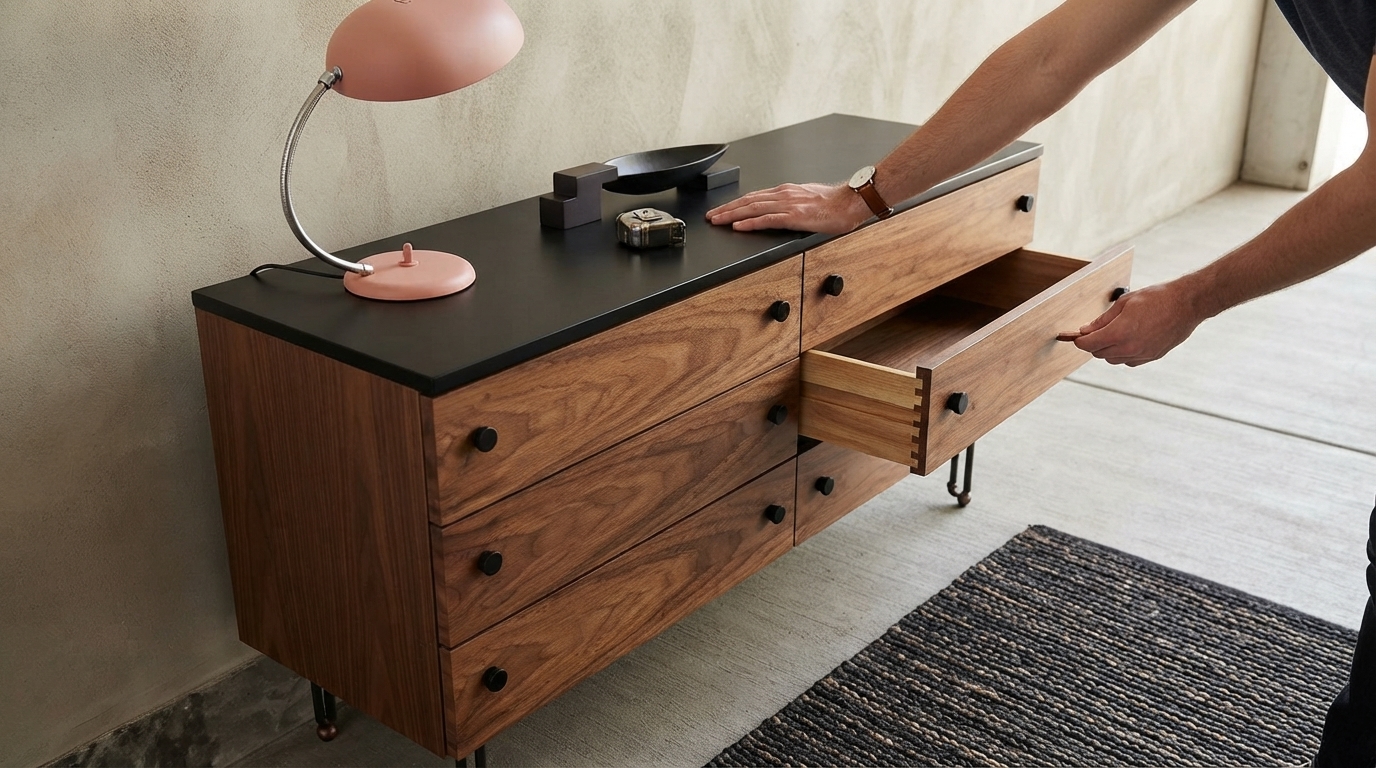
Is a solid wood dresser worth it?
A solid wood dresser is often worth it if the goal is long-term durability, better repairability, and a furniture piece that can age gracefully rather than wear out. Compared with many budget dressers made from particleboard or thin veneers, solid wood typically holds up better to daily drawer use, minor bumps, and moves between rooms or homes.
One of the biggest advantages is lifespan. Solid wood drawer boxes and frames are less likely to sag, loosen at joints, or crumble at screw points over time. When something does go wrong, solid wood is usually easier to fix—stripped holes can be filled, surfaces can be sanded, and dents can often be improved without replacing the whole unit.
That said, “worth it” depends on how you’ll use it. For a primary bedroom or a dresser expected to last through several life stages, solid wood commonly offers better value per year. For a short-term apartment setup or a guest room that sees light use, a less expensive alternative may meet the need without the higher upfront cost.
Also consider what “solid wood” actually means. Some dressers are solid wood only on the outer frame with engineered wood panels in the back or drawer bottoms. That can still be a good build, but it’s smart to check which parts are solid wood, the type of joinery used, and whether drawers glide smoothly without wobble.
To compare construction details, price trade-offs, and what to look for when shopping, see the full guide here: https://agathin.com/is-a-solid-wood-dresser-worth-it/.
For Is a Solid Wood Dresser Worth It? Pros, Cons, Buying, the best answer depends on fit, material, care instructions, and how the product will be used day to day.
FAQ
What should you look for in a high-quality dresser besides “solid wood”?
Focus on sturdy joinery (like dovetails or strong corner blocks), smooth and stable drawer movement, and a well-supported case that doesn’t rack when pushed. A durable finish and properly sized drawer bottoms also matter for long-term performance.














Leave a comment