


Is Rattan a Strong Wood? Real Durability Explained
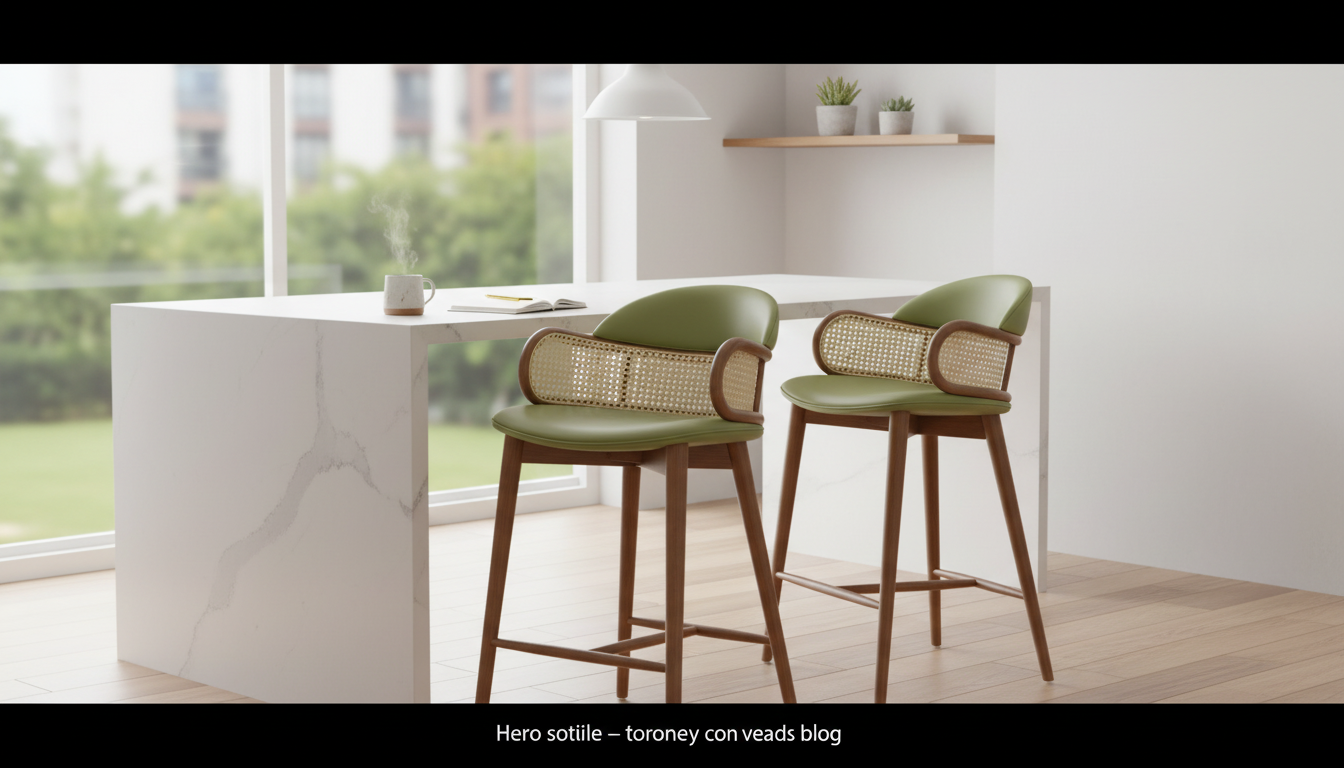
Is rattan a strong wood?
Rattan isn’t actually wood—it’s a vine (a climbing palm) that’s harvested in long, flexible canes. Even so, it can be surprisingly strong for furniture and home décor when it’s well-made. Its strength comes from its fibrous structure, which helps it flex slightly under pressure instead of snapping the way some brittle materials can.
How strong is rattan compared to wood?
Compared to many solid woods, rattan generally isn’t as hard or as dent-resistant. A hardwood table leg will usually take more direct impact than a rattan cane. But rattan can perform very well in applications where flexibility is an advantage—like woven seating, chair backs, cabinet fronts, and accent pieces—because it can absorb movement and minor stress without immediate failure.
What makes rattan furniture durable?
Durability depends heavily on construction. Thick, mature rattan poles are stronger than thin split rattan used for weaving. Tight joins, reinforced corners, quality binding, and a stable frame (often rattan over a hidden wood or metal structure) all increase strength. Weave quality matters too: uniform tension and a consistent pattern help prevent sagging and weak spots over time.
Where rattan holds up best (and where it doesn’t)
Rattan is a great choice for lightweight indoor furniture, especially pieces that need to be moved often. It’s less ideal for heavy-load, high-impact use—like step-stools, workbenches, or frequently dragged dining chairs—unless it’s designed with a reinforced frame. Moisture is another factor: excessive humidity or repeated wetting can loosen bindings or encourage warping and mildew if the finish is poor.
How to keep rattan strong longer
Place rattan away from constant direct sun and heat sources, which can dry it out and make it brittle. Dust regularly (a soft brush or vacuum with a brush attachment works well), and wipe spills promptly. For covered outdoor spaces, choose pieces specifically rated for that environment, since natural rattan typically lasts longest indoors.
For a deeper breakdown of rattan’s real-world strength and best uses, visit https://agathin.com/is-rattan-a-strong-wood/.
FAQ
Is rattan good for outdoor furniture?
Natural rattan is best kept indoors or in covered, dry outdoor areas because moisture and sun can shorten its lifespan. For fully outdoor use, synthetic rattan (resin wicker) is usually the more weather-resistant option.











Leave a comment