


Using ChatGPT for Landscape Design: What It Can & Can’t Do
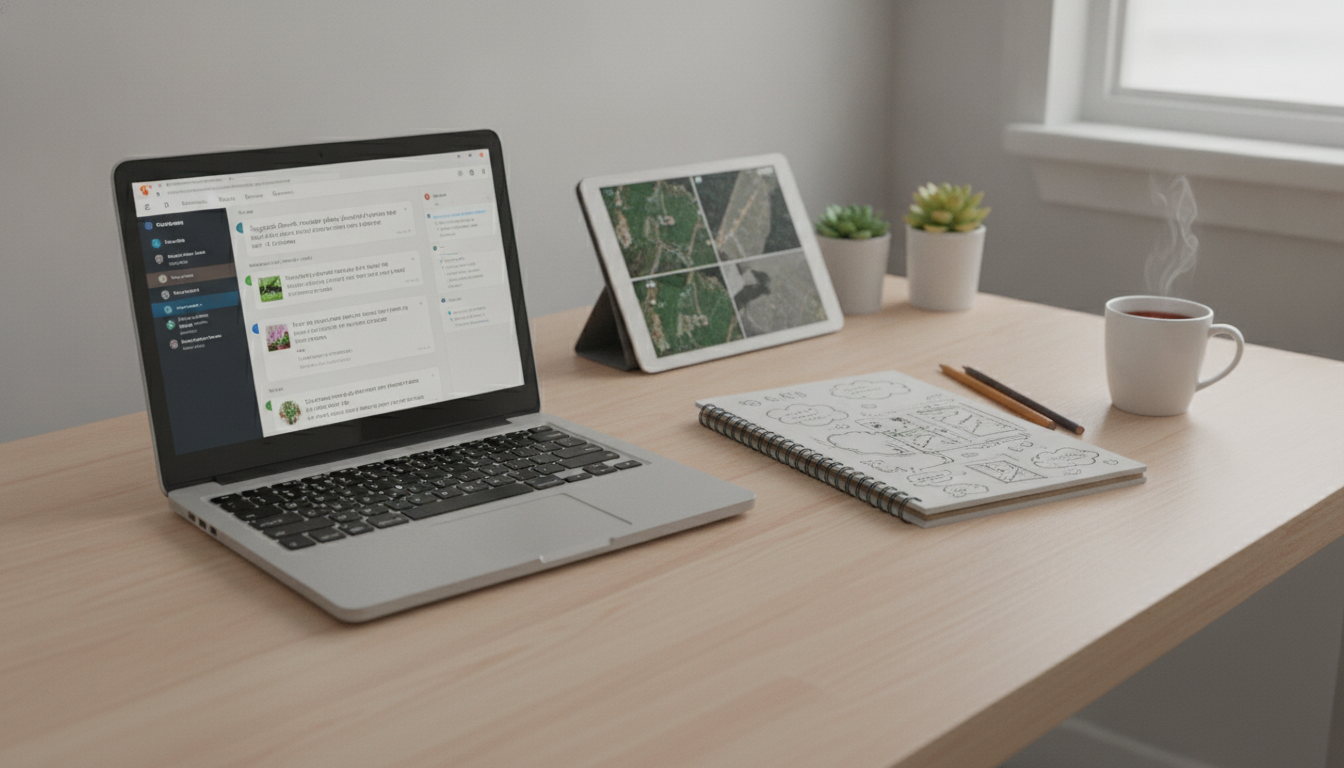
Can ChatGPT do landscape design?
ChatGPT can help with landscape design planning, but it can’t replace a licensed landscape architect or an on-site designer. It’s best used as a brainstorming and organizing tool: generating layout ideas, suggesting plant types to consider, building a phased improvement plan, and helping you think through hardscape options like paths, patios, edging, lighting, and seating zones.
How ChatGPT helps with landscape design
When given clear details, ChatGPT can produce useful, practical starting points for a yard plan. It can:
- Propose design themes (modern, cottage garden, desert-friendly, tropical, low-maintenance)
- Suggest functional zones (dining, lounging, kids/pets, garden beds, privacy screening)
- Create plant “shortlists” by climate goals (native-forward, drought-tolerant, pollinator-friendly)
- Outline materials to compare for patios, pathways, borders, and retaining edges
- Build a shopping checklist and a step-by-step weekend project schedule
What ChatGPT can’t do (and where caution matters)
Landscape design has real-world constraints that AI can’t fully verify. ChatGPT won’t reliably know what’s under your soil, how water flows during storms, or what local codes require. Be especially careful with:
- Drainage, grading, and erosion control
- Retaining walls, structural steps, and slope stabilization
- Irrigation design and backflow requirements
- Plant toxicity (kids/pets), invasive species, and exact hardiness suitability
Use AI ideas as a draft, then confirm plant choices with local nurseries/extension resources and consult a pro for structural or drainage work.
Getting better results: what to provide
Share specifics so the recommendations fit your space: rough dimensions, sun exposure by area, USDA zone (or city/state), soil type if known, slope/drainage issues, desired maintenance level, and what you want to do outside (host dinners, quiet reading, play space, gardening).
Pair AI planning with outdoor living choices
Many landscape plans revolve around a patio or seating area. For ideas on materials and style considerations that can shape your layout, see this guide to outdoor patio furniture materials, styles, and AI planning.
FAQ
What information should I give an AI to plan my backyard layout?
Include your yard dimensions, sun/shade patterns, USDA zone, budget range, drainage concerns, and how you want to use the space (dining, lounging, garden beds, privacy). Adding a few photos and a simple sketch helps narrow ideas fast.















Leave a comment