


How to Use Eco-Friendly Habits at Home (Easy Swaps)
How to use eco-friendly?
Using eco-friendly options is less about being “perfect” and more about choosing lower-waste, lower-toxicity habits that fit real life. Start by swapping what runs out most often (cleaners, paper goods, toiletries), then move to bigger-impact areas like energy use, transportation, and food. The goal is to reduce waste, conserve resources, and support products designed to last.
For a deeper step-by-step guide and product ideas, visit https://agathin.com/how-to-use-eco-friendly/.
Practical ways to use eco-friendly at home
1) Replace disposables with reusables
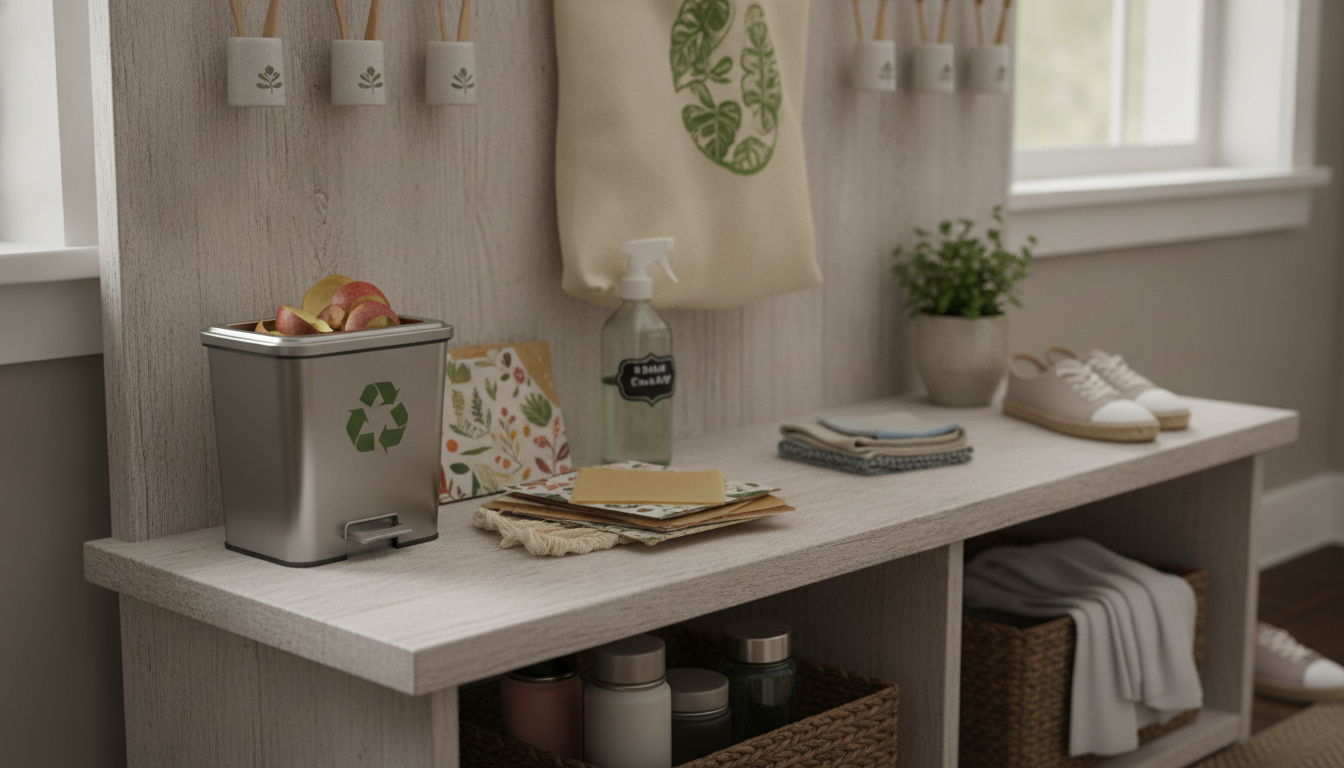
Keep a small “reuse kit” near your main exit: reusable tote, water bottle, coffee cup, and utensils. At home, switch to refillable hand soap, reusable dishcloths, and washable food storage instead of single-use bags and paper towels.
2) Choose safer cleaning and laundry habits
Use concentrated or refillable cleaners to cut plastic and shipping emissions. For laundry, wash in cold water when possible, run full loads, and air-dry items that don’t need heat. Look for formulas without added dyes and heavy fragrances if sensitivity is a concern.
3) Reduce energy and water waste
Make “set-and-forget” changes: LED bulbs, smart power strips, and a slightly adjusted thermostat. Fix drips, install low-flow showerheads, and take shorter showers. These small moves add up quickly on bills and resource use.
4) Buy less, buy better
Before purchasing, ask: Will this last? Can it be repaired? Is there a secondhand option? Prioritizing durable materials and repairable designs reduces the cycle of frequent replacement and packaging waste.
5) Dispose responsibly
Learn your local recycling rules (they vary), and don’t “wish-cycle.” Compost food scraps if available, and bring batteries, electronics, and chemicals to approved drop-off sites to avoid contamination.
For How to Use Eco-Friendly Habits at Home (Easy Swaps), the best answer depends on fit, material, care instructions, and how the product will be used day to day.
FAQ
What are easy eco-friendly swaps that save money?
Start with reusables you’ll actually use: refillable soap, washable rags, and a durable water bottle. Then cut utility costs with LED bulbs, cold-water laundry, and turning off idle electronics.















Leave a comment