


Scandinavian vs Modern Minimalist: Key Differences

What is the difference between Scandinavian and modern minimalist?
Scandinavian and modern minimalist styles share a clean, uncluttered look, but they get there in different ways. Scandinavian design focuses on warmth, comfort, and everyday livability, often using light woods, soft textiles, and gentle contrast to create a cozy, welcoming space. Modern minimalist design is typically more stripped back, prioritizing simplicity, visual calm, and fewer decorative elements overall.
Scandinavian style: minimal, but inviting
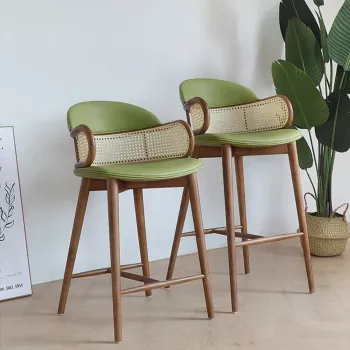
Scandinavian interiors grew from Nordic climates and a need to make homes feel bright and comfortable. Expect airy rooms, pale or natural wood tones (like birch or ash), and practical furniture with rounded edges and human-scale proportions. Texture does a lot of the work: wool throws, linen curtains, woven rugs, and matte finishes add warmth without adding clutter. Color palettes often lean white, cream, light gray, and muted earth tones with occasional soft accents.
Modern minimalist style: sharper, quieter, and more edited
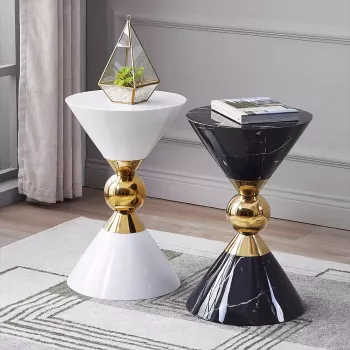
Modern minimalist interiors aim for “less, but better” through reduction. Furniture silhouettes are frequently more geometric, with crisp lines and a focus on negative space. Materials can skew sleek—glass, metal, polished stone, lacquer, or smooth woods—often used in larger uninterrupted surfaces. Color palettes may be monochrome or high-contrast (black, white, and gray), with decoration limited to a few intentional pieces, if any.
How to tell them apart in a room
If the space feels serene yet cozy—layered textiles, warm wood, and practical comfort—it likely leans Scandinavian. If the room feels more gallery-like—fewer objects, stronger lines, and a deliberately sparse composition—it’s closer to modern minimalist. Many homes blend both: Scandinavian warmth with minimalist editing can create a balanced look that’s calm without feeling cold.
For a deeper breakdown and examples, visit https://agathin.com/what-is-the-difference-between-scandinavian-and-modern-minimalist/.
FAQ
What colors work best for Scandinavian interiors?
Soft whites, warm grays, and light neutrals are classic, paired with pale woods. Muted accents like sage, dusty blue, or clay tones add depth while keeping the space bright.








Leave a comment