


Why Cats Love Cat Trees: Climb, Scratch, and Relax
Why do cats like cat trees?
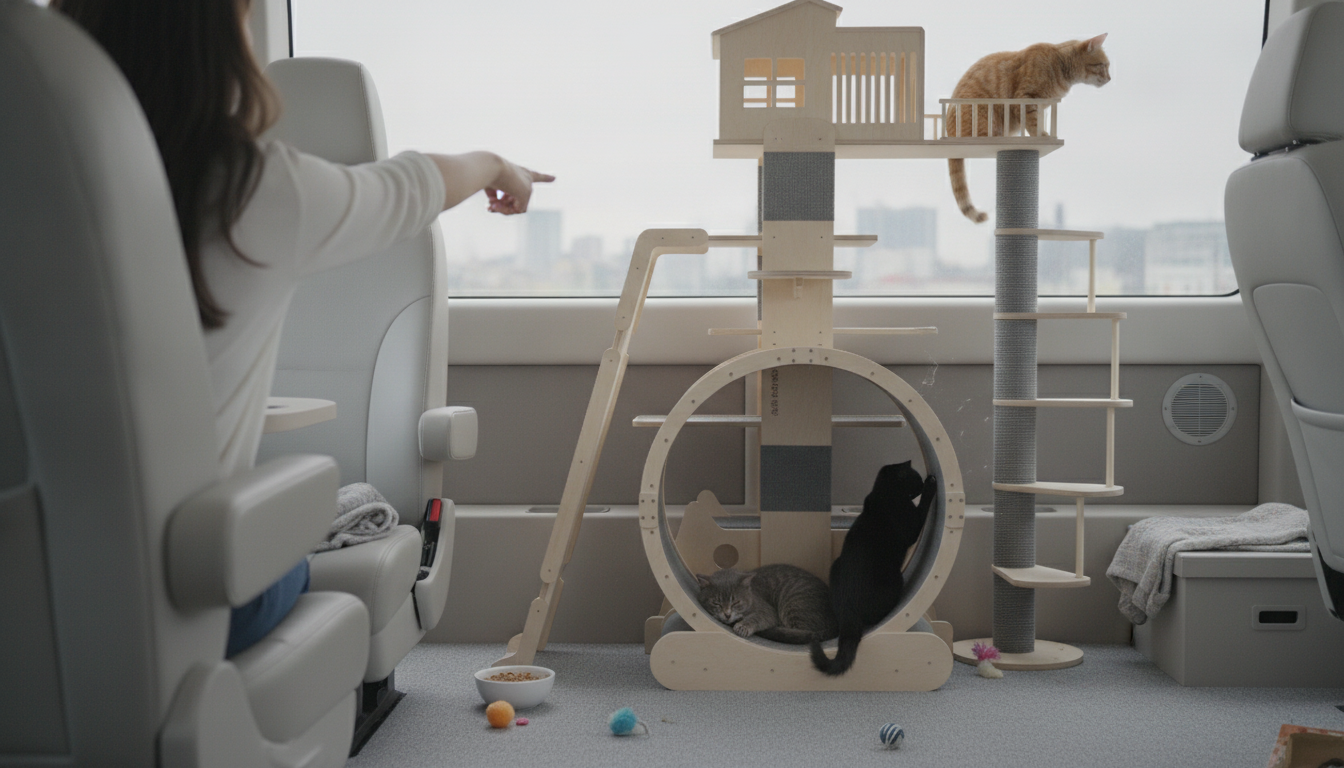
Cats like cat trees because they combine several natural feline needs in one spot: climbing, scratching, perching, hiding, and relaxing. A good cat tree turns a corner of your home into a small “territory” your cat can use to feel safe, entertained, and in control.
What a cat tree gives your cat
A high vantage point
Cats are drawn to elevated spaces where they can watch what’s happening without being in the middle of it. A top perch lets them monitor people, other pets, and windows with less stress. Height can also reduce tension in multi-cat homes by giving cats more vertical “real estate.”
A safe retreat
Many cat trees include a condo or covered house, which appeals to a cat’s instinct to rest in sheltered spots. An enclosed hideaway can help a shy cat decompress, and it gives any cat a quiet place to nap away from foot traffic.
An approved place to scratch
Scratching is normal cat behavior for maintaining claws, stretching the back and shoulders, and leaving scent signals. Cat trees with sturdy posts and scratch-friendly materials provide a designated outlet, which can make your sofa and rugs less tempting.
Healthy play and exercise
Climbing levels, jumping between platforms, and batting at dangling toys can turn a cat tree into daily enrichment. That activity helps burn energy, supports mobility, and reduces boredom behaviors—especially for indoor cats.
Why cats often choose a cat tree over furniture
A well-made cat tree feels stable underfoot, offers better grip for climbing, and is arranged around cat-sized steps and lounging platforms. Placement matters too: set it near a window for “cat TV,” or in a social room if your cat likes to be close to the action.
For help picking the right height, base size, and setup (including stability tips and choosing a tree with a house/condo), see the full guide here: https://agathin.com/guide-cat-tree-tower-with-house-stability-size-setup/.
FAQ
Where should you place a cat tree?
Put it where your cat already likes to hang out, ideally near a window or in a frequently used room. Make sure the base sits on a flat surface so it won’t wobble during climbing and jumping.













Leave a comment