


Do Most Cats Like Cat Towers? What Makes Them Use One
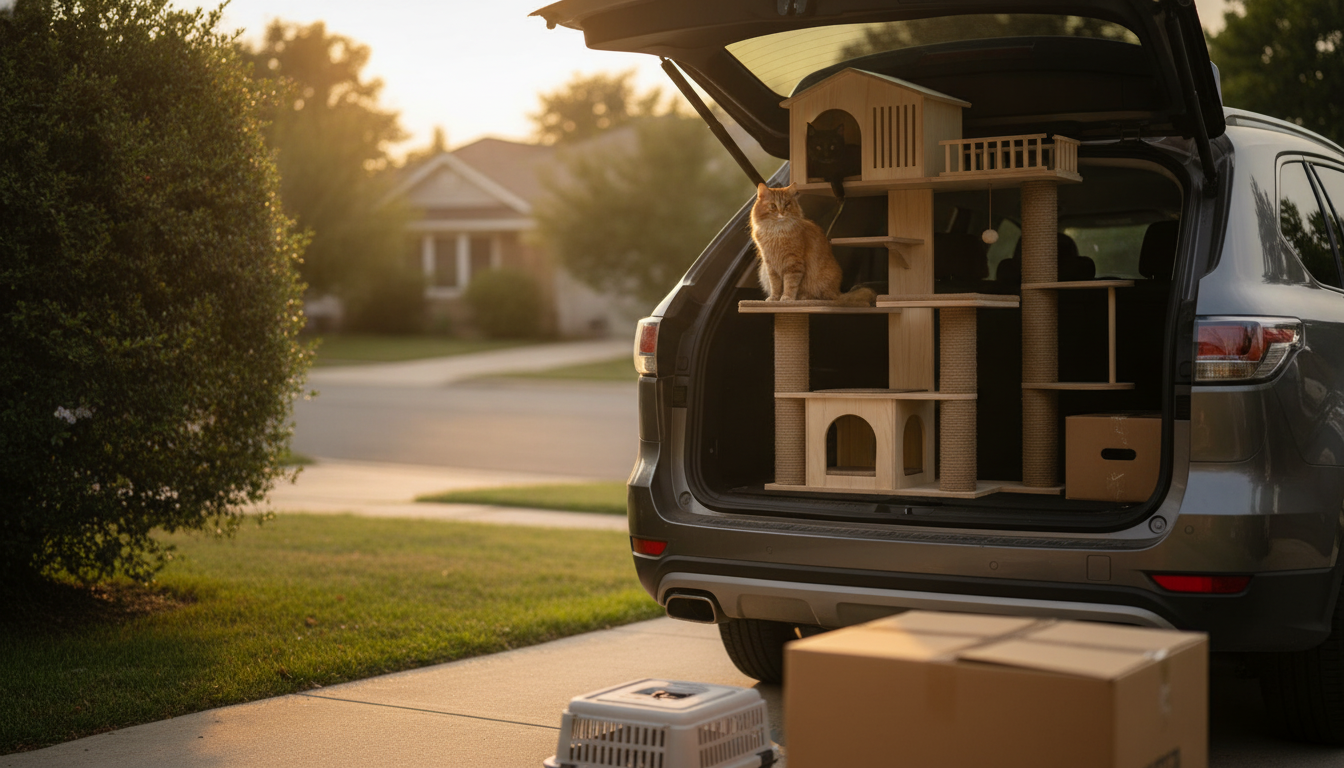
Do most cats like cat towers?
Most cats do like cat towers—especially when the tower matches their natural instincts to climb, scratch, perch, and hide. Cats are both predators and prey, so being able to get up high to observe a room (or tuck into a covered nook) often feels safe and satisfying. That said, “most” doesn’t mean “all.” Some cats ignore towers that wobble, smell unfamiliar, or don’t fit their body size or preferences.
Why cat towers are appealing to many cats
A good tower offers several cat favorites in one place: vertical territory, scratch-ready surfaces, and resting platforms. High perches can become a go-to nap spot because they’re quiet and out of foot traffic. Scratching posts built into the tower help cats stretch their shoulders and mark territory, which can reduce scratching on furniture when the textures and placement are right.
Reasons a cat might not like a cat tower
Disinterest is often a “setup” issue rather than a personality issue. If the tower wobbles when your cat jumps, it can feel unsafe. Platforms that are too small can be uncomfortable for larger cats, while slick coverings can make climbing awkward. Some cats also prefer horizontal scratching over vertical posts, or they may want a covered cubby more than open perches.
How to increase the odds your cat will use it
Place the tower where your cat already likes to hang out—near a window, next to a favorite chair, or along a common walkway. Make the first experiences positive by sprinkling catnip (if it works for your cat), placing treats on different levels, and using a wand toy to guide them up. If your cat is cautious, start by rewarding any interaction, even a sniff or a single paw on the base.
For a deeper look at choosing the right size, stability features, and a layout your cat will actually use, see this guide: cat tree and tower selection, stability, size, and setup.
FAQ
Where should you put a cat tower in your house?
Put it in a spot your cat already spends time, ideally near a window or in a main living area. Avoid isolated corners and make sure it sits on a flat surface so it feels stable.













Leave a comment