


Luxury Cat Tower for Big Cats: Stable, Stylish Comfort
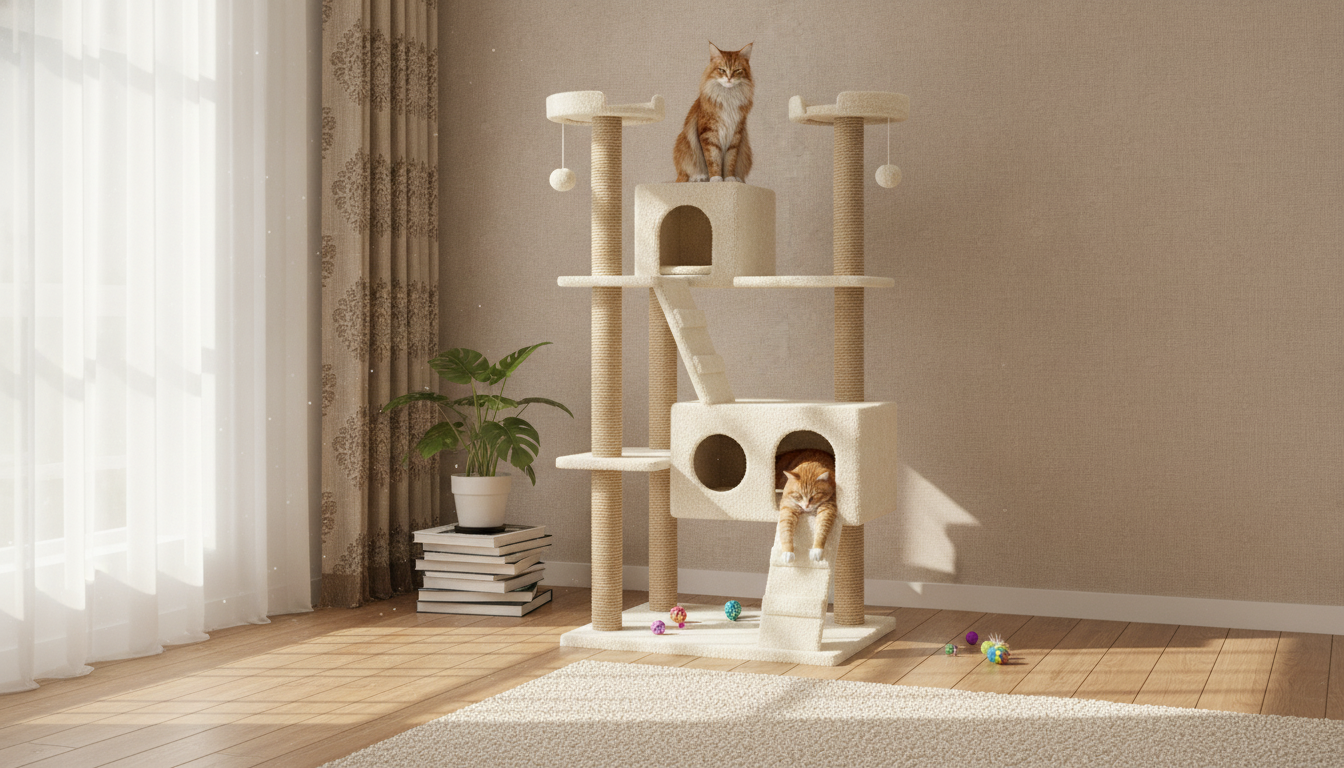
Luxury Cat Tower for Big Cats: Comfort, Stability, and Style at Home
A luxury cat tower can turn vertical space into a confident territory for larger cats—supporting climbing, scratching, lounging, and safe jumping. The right build prioritizes stability, generous platforms, premium materials, and a layout that fits both the cat’s size and the room’s aesthetic. For big-bodied breeds and “solid” adult cats alike, the difference between an ordinary tree and a true luxury tower is simple: less wobble, more usable space, and a design your home can proudly keep on display.
What Makes a Cat Tower Truly “Luxury” for Larger Cats
Luxury isn’t just a prettier exterior. For larger cats, it’s a combination of engineering, comfort, and finishes that support daily use without feeling flimsy.
- Structural stability first: heavier bases, thicker posts, reinforced joints, and anti-tip options.
- Oversized lounging zones: wider perches, deeper hammocks, and enclosed nooks that don’t pinch shoulders or hips.
- Premium surfaces: soft, durable upholstery plus high-quality sisal for serious scratching.
- Design-forward footprint: furniture-like lines and finishes that blend into living spaces.
- Quiet confidence: less wobble means more use—especially for cautious, older, or heavier cats.
Key Features to Prioritize Before Buying
Big cats put more force into every leap and landing. Focus on the “load-bearing” details first, then choose the look that fits your space.
- Base and center of gravity: a broader, heavier base reduces sway during leaps.
- Post diameter and scratch coverage: thicker posts with full-wrap sisal help big cats stretch and claw safely.
- Platform size and spacing: ensure each landing spot is large enough and the “jump” distances aren’t excessive.
- Material quality: look for dense engineered wood/solid wood components rather than thin particle board.
- Replaceable wear parts: removable cushions, replaceable sisal sections, and washable covers increase longevity.
Quick Checklist for Big-Cat-Friendly Luxury Towers
| Feature | What to Look For | Why It Matters |
|---|---|---|
| Base | Wide, heavy, non-slip | Reduces tipping and wobble |
| Perches | Large, padded, grippy surface | Safer landings and better naps |
| Posts | Thick diameter, full sisal wrap | Supports weight and full-body scratching |
| Levels | Logical spacing, multiple routes | Encourages use; lowers jump strain |
| Hideaway | Roomy condo/cave | Security for resting and decompression |
Sizing and Layout: Height, Levels, and Landing Zones
A tall tower can be a dream lookout—until it turns into a “one jump too far” situation. For larger cats, usability comes from thoughtful spacing and multiple ways up and down.
- Height should match the cat’s confidence: tall can be great, but only if it stays rock-solid and has intermediate landings.
- Look for multi-path access: ramps, staggered steps, or wide platforms help big cats climb without risky leaps.
- Prioritize wide top perches: larger cats often prefer the highest lookout, but only if it feels stable.
- Consider ceiling height and placement: a corner or wall-adjacent spot can increase perceived security and reduce sway.
- If multiple cats share the tower: add “passing zones” (two routes or two large perches) to prevent bottlenecks.
As a practical sizing tip, compare platform dimensions to your cat’s relaxed body length (nose to base of tail). If your cat curls tightly on small beds, they may still sprawl on a perch—so aim for extra room rather than a just-barely fit.
Comfort and Materials: Upholstery, Sisal, and Easy Cleaning
Luxury materials should feel good and hold up. Big cats generate more friction on fabric and more torque on scratch posts, so durability is part of comfort.
- Plush doesn’t have to be delicate: choose tightly woven upholstery or high-density plush that resists matting.
- Sisal quality matters: natural sisal with tight wrapping lasts longer and provides better claw grip.
- Washability: removable pads and zippered covers simplify fur, dander, and odor control.
- Allergen-aware upkeep: vacuum-friendly surfaces and fewer deep crevices help keep the tower fresh.
- Odor and off-gassing: allow new materials to air out in a ventilated room before heavy use.
For broader enrichment and home setup guidance, reputable references include the American Association of Feline Practitioners (AAFP), the ASPCA’s cat care and behavior resources, and International Cat Care.
Safety and Placement Tips for Heavy Jumpers
Even a premium tower benefits from smart placement. Small changes—traction, clearance, anchoring—can dramatically reduce slips and stress on joints.
- Anchor when possible: wall straps or anti-tip kits add peace of mind for energetic cats.
- Protect landing areas: place the tower on a stable surface; add a rug for traction and softer dismounts.
- Avoid narrow traffic zones: keep the area around the base clear so cats can approach from multiple angles.
- Window adjacency works: many cats use towers as a viewing station; ensure cords/blinds are secured.
- Routine checks: tighten bolts and inspect sisal to prevent sudden failures under load.
Featured Options for a Style-Forward, Cat-Friendly Home
- Luxury Cat Tower for Big Cats — Designed with larger cats in mind, offering a statement-piece feel while supporting everyday climbing and lounging. Measure your intended spot, then compare platform sizes to your cat’s body length for the most comfortable fit.
- Modern Chrome Writing Desk for Home Office — A sleek, minimal desk that helps a cat-and-human workspace feel intentional; place the tower nearby so your cat can perch and observe without walking across your keyboard.
Setup and Care for a Long-Lasting Tower
FAQ
How tall should a cat tree be for big cats?
Choose a height your cat will confidently use, and prioritize stability over maximum height. Taller towers work best when they have a wide, heavy base, thick posts, and multiple intermediate platforms to reduce risky jumps, and anchoring can add extra security.
Do larger cats need wider platforms and thicker posts?
Yes—wider platforms improve comfort and make landings safer, while thicker posts reduce wobble and better support full-body stretching and scratching. When available, compare platform measurements and the tower’s recommended weight range to your cat’s size.













Leave a comment