


Portable Full HD Projector Setup for Movie Nights Anywhere
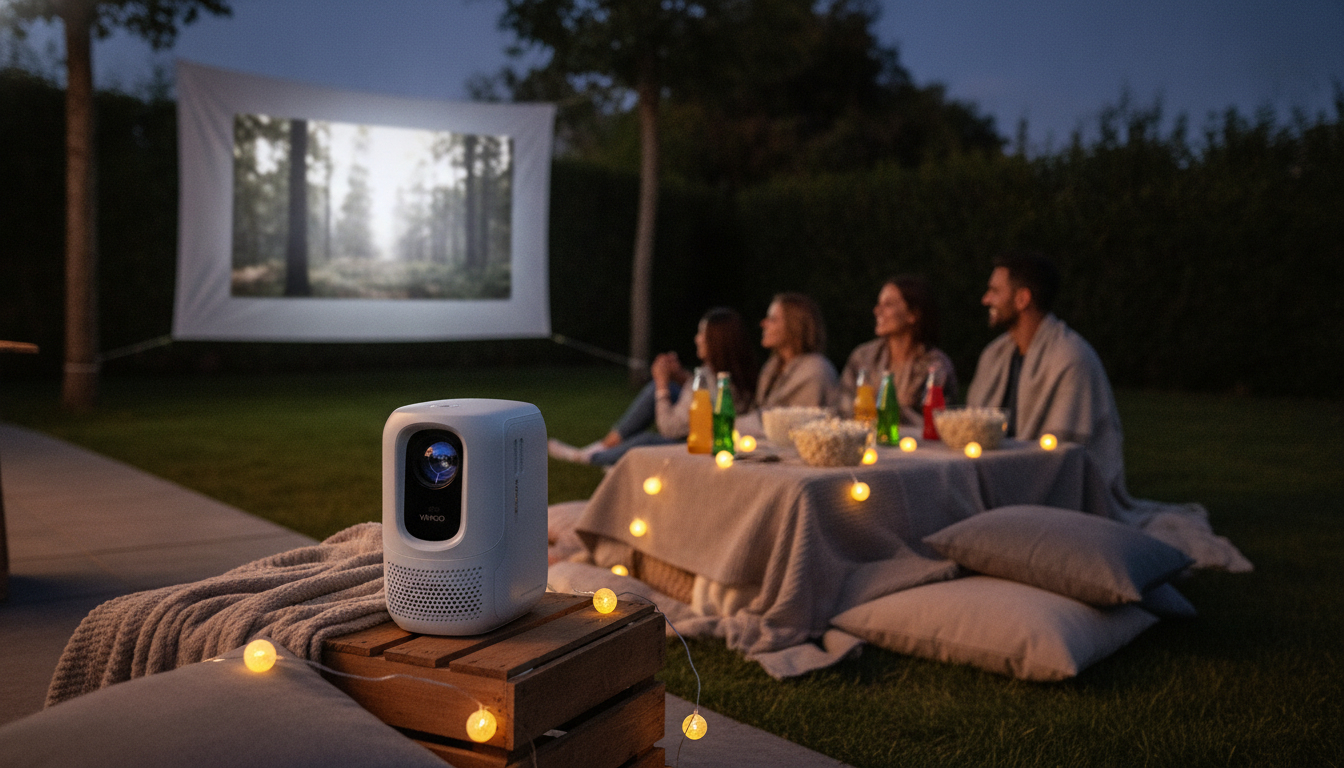
A compact projector can turn a living room, bedroom, or backyard wall into a movie-night setup without the footprint of a TV. This guide breaks down what matters most—image quality, brightness expectations, sound, connectivity, placement, and long-term care—so it’s easier to get a smooth, cinematic experience from a portable Full HD projector. For more guidance, see Mini Projectors Review | Set Up a Home Theater.
What makes a portable Full HD projector worth it
The appeal of a mini projector is simple: big-screen entertainment that fits on a shelf, a nightstand, or a small tripod. Unlike a fixed TV, you can scale the image for movie marathons, sports watch parties, or split-screen gaming—then pack it away when you’re done. For further reading, see kodak pocket portable projector.
- Big-screen flexibility: go large when you want it, and keep it smaller for casual viewing.
- Space-friendly setup: ideal for apartments, dorms, bedrooms, and temporary viewing areas.
- Full HD clarity: 1080p content typically looks cleaner and more detailed than older 720p mini models.
- Multi-use potential: streaming, console play, photo sharing, presentations, and outdoor viewing with the right screen.
If you’re shopping for a ready-to-go option, the Mini Portable Full HD Projector: Your Ultimate Home Theater Experience is a practical starting point for flexible home theater nights without committing wall space to a large display.
Quick look: specs and daily-use expectations
Portable projectors can look amazing, but they also come with real-world tradeoffs. A few checkpoints help avoid disappointment—especially around resolution claims and brightness in normal rooms.
- Resolution and scaling: confirm native resolution versus “supported” input formats to know what detail you’re actually getting.
- Brightness in real rooms: darker environments allow larger, punchier images; daylight usually means a smaller image or a brighter unit.
- Throw distance and image size: plan placement so the image fills the wall/screen without forcing awkward furniture layouts.
- Focus and keystone: easier adjustments make daily setup less frustrating, especially if the projector can’t be perfectly centered.
- Fan noise and heat: compact designs often run warm—give them breathing room.
| Room lighting | Recommended placement approach | Best use cases |
|---|---|---|
| Dark / curtains closed | Center the projector to the screen, keep lens level, use minimal keystone | Movies, story games, binge watching |
| Dim evening light | Use a smaller image size, increase screen gain if possible | Sports, casual streaming |
| Bright daylight | Move closer for a smaller image, consider an ALR screen or wait until dusk | Slides, kids’ cartoons, quick viewing |
Getting the best picture: placement, screen, and calibration basics
Most “wow” moments come from the setup, not just the spec sheet. A well-placed mini projector with a decent surface can look dramatically sharper than a brighter unit aimed at a textured wall.
- Start with a flat surface: a dedicated projector screen is best; a smooth, matte wall is a solid backup. For deeper screen guidance, see Projector Central’s projector screen overview.
- Keep it centered: aligning the lens with the middle of the screen reduces keystone use (which can soften fine detail).
- Dial in focus carefully: focus using small on-screen text or menu edges, then re-check after the unit warms up.
- Tune picture modes: reduce overly cool color temperature, adjust contrast to avoid blown highlights, and lower sharpness if halos appear around subtitles.
- Control reflections: darker walls, rugs, and curtains help preserve contrast and black levels.
For a simple “set it and forget it” placement, a stable surface at the right height matters. A compact workstation like the Modern Chrome Writing Desk for Home Office can double as a clean, wobble-resistant platform when a coffee table is too low or too busy.
Sound options that match the big-screen feel
Picture size sets expectations—and sound has to keep up. Even if the image looks cinematic, thin audio can make the whole experience feel smaller.
- Built-in speaker convenience: fine for small rooms and casual viewing, especially when sitting closer.
- External audio upgrade: a soundbar or powered speakers can significantly improve dialogue clarity and bass impact.
- Bluetooth vs wired: Bluetooth is convenient, but can add latency for gaming; wired audio is typically more reliable for lip-sync.
- Placement tip: if the projector sits behind viewers, route audio forward so voices feel anchored to the screen.
Connectivity and streaming without friction
The easiest portable projector is the one that connects quickly every time—whether it’s for a streaming stick, a laptop, or a console.
For additional buying pointers that translate well to everyday use—like understanding brightness claims and placement constraints—see CNET’s projector buying guide.
Portability in real life: travel, backyard nights, and small-space living
Care, maintenance, and lifespan basics
A practical pick for a compact home theater setup
For a compact, living-room-to-backyard option, start with the Mini Portable Full HD Projector: Your Ultimate Home Theater Experience and build the setup outward (screen, then sound) as your movie nights become a habit.
FAQ
What is the lifespan of a mini 4K projector?
Lifespan depends on the light source and how it’s used: LED and laser models commonly last tens of thousands of hours, while traditional lamp-based units are typically far lower. Good ventilation, dust control, and using eco/lower brightness modes help reduce heat and extend usable life.
Do portable projectors work well in daylight?
They can work, but daylight washes out contrast and makes the image look faded. For better results, shrink the image size, close blinds, use a higher-gain/ALR screen, or plan viewing for dusk or a darkened room.









Leave a comment